
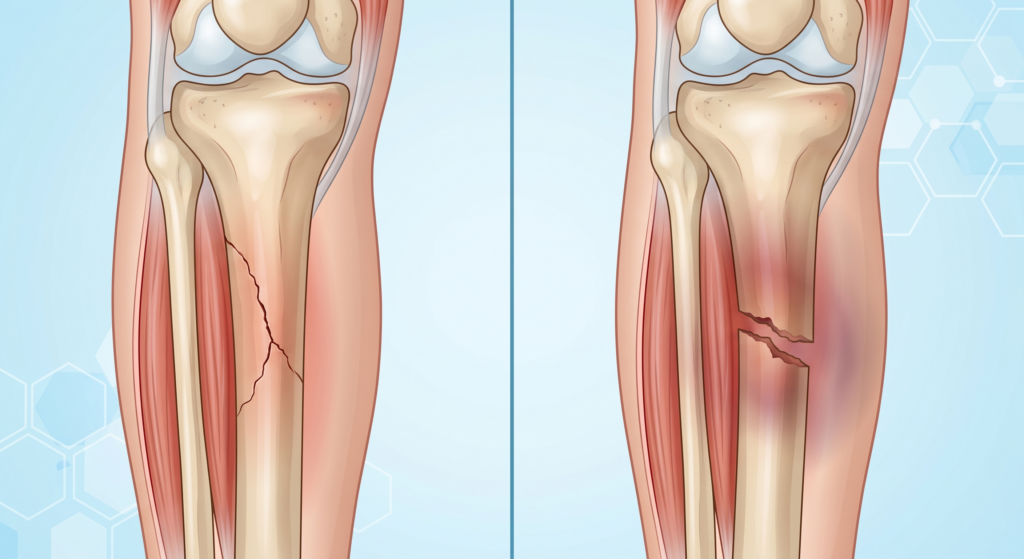
Suffering a bone injury can be frightening, especially when sudden pain, swelling, or difficulty moving makes everyday tasks feel impossible. Many people immediately wonder what’s the difference between a fracture and a break, but the truth is that both terms describe the same type of bone injury. Whether it happens after a fall, sports accident, or unexpected trauma, the uncertainty and discomfort can leave you searching for answers and fast medical care.
Bone injuries can range from small cracks to severe breaks that require immediate attention, and delaying treatment may worsen pain or recovery time. At our emergency room Laredo, experienced emergency providers can quickly evaluate your injury, provide imaging when needed, help control pain, and create the right treatment plan to support safe healing and recovery.
What is a Fracture?
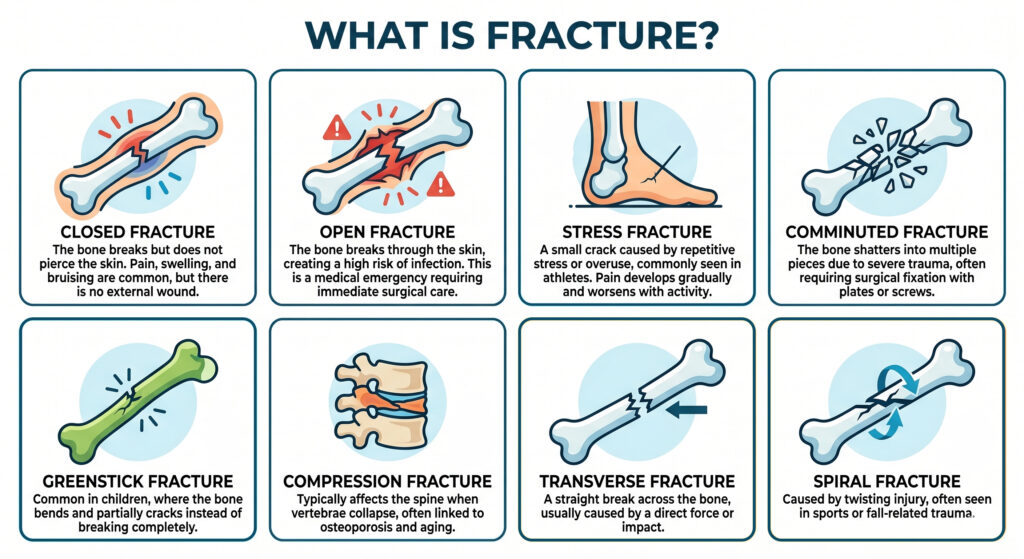
A fracture is a medical term used to describe any break, crack, or disruption in the normal structure of a bone. Fractures can range from tiny stress cracks to complete breaks caused by falls, sports injuries, car accidents, or weakened bones from conditions like osteoporosis. Symptoms often include sudden pain, swelling, bruising, difficulty moving the affected area, or an inability to bear weight. Proper diagnosis usually requires a physical exam and imaging, such as X-rays, to determine the severity and type of fracture so the correct treatment can begin quickly. A large PubMed study analyzing 27,169 fractures found that 64.5% of fractures occurred in women, highlighting how common and medically significant bone injuries can be.
Fracture Symptoms That Are Dangerous
- Severe or worsening pain that does not improve
- Bone visibly sticking out through the skin
- Heavy bleeding near the injury site
- Loss of sensation, numbness, or tingling
- Skin turning pale, blue, or cold below the injury
- Inability to move or bear weight on the affected area
- Significant swelling or rapid bruising
- Deformity or abnormal positioning of the limb
- Trouble breathing after chest or rib injuries
- Confusion, dizziness, or loss of consciousness after trauma
Types of Fractures
- Closed Fracture: The bone breaks but does not pierce the skin. Pain, swelling, and bruising are common, but there is no external wound.
- Open Fracture: The bone breaks through the skin, creating a high risk of infection. This is a medical emergency requiring immediate surgical care.
- Stress Fracture: A small crack caused by repetitive stress or overuse, commonly seen in athletes. Pain develops gradually and worsens with activity.
- Comminuted Fracture: The bone shatters into multiple pieces due to severe trauma, often requiring surgical fixation with plates or screws.
- Greenstick Fracture: Common in children, where the bone bends and partially cracks instead of breaking completely.
- Compression Fracture: Typically affects the spine when vertebrae collapse, often linked to osteoporosis and aging.
- Transverse Fracture: A straight break across the bone, usually caused by a direct force or impact.
- Spiral Fracture: Caused by twisting injury, often seen in sports or fall-related trauma.
Is a Fracture and a Break the Same Thing?
Yes, a fracture and a break are medically the same thing because both terms describe a bone that has been damaged or cracked due to force, trauma, or stress. Doctors typically use the word “fracture” because it is the formal medical term, while “break” is more commonly used in everyday conversation.
A fracture does not always mean the bone is completely snapped in half, since some fractures may only involve a small crack or partial damage. The reason people often think they are different is because the word “fracture” can sound less severe, but medically, there is no difference between a fractured bone and a broken bone.
How Long Does a Fractured Bone Take to Heal?
Healing time depends on the type of fracture, age, overall health, and treatment approach. Minor fractures may heal within weeks, while severe or complex injuries may take several months. Proper immobilization, follow-up care, and medical supervision are essential for complete recovery.
- Stress Fracture: 6–8 weeks with rest and reduced activity
- Closed Fracture: 6–12 weeks with casting or splinting
- Open Fracture: Several months, often requiring surgery and antibiotics
- Greenstick Fracture: 4–8 weeks, faster in children
- Comminuted Fracture: 3–6 months, depending on surgical repair
- Compression Fracture: 8–12 weeks or longer in severe cases
- Spiral Fracture: 8–12 weeks depending on severity
- Transverse Fracture: 6–10 weeks with proper stabilization
When to Go to the ER
A fractured or broken bone should always be medically evaluated, but some symptoms may signal a serious injury that requires immediate emergency care. Delaying treatment in severe cases can increase the risk of infection, nerve damage, circulation problems, or improper healing.
- Severe or worsening pain after injury
- Bone breaking through the skin
- Loss of movement or inability to bear weight
- Numbness, tingling, or nerve-related symptoms
- Blue, pale, or cold skin below injury
- Heavy bleeding after trauma
- Difficulty breathing after rib or chest injury
- Head injury, dizziness, or fainting
Fracture Treatment
Fracture treatment depends on the type, location, and severity of the bone injury. The main goal is to stabilize the bone, reduce pain, and allow proper healing while preventing complications such as infection or long-term mobility problems. Treatment may range from simple immobilization to surgery, depending on how serious the fracture is.
- Immobilization With a Cast or Splint: Many stable fractures are treated by placing the injured area in a cast or splint to keep the bone from moving while it heals. This treatment is applied and monitored by a doctor to ensure proper alignment during recovery.
- Pain Management Medications: Doctors may prescribe pain relievers or anti-inflammatory medications to help control discomfort and swelling after a fracture. Medications should only be taken as prescribed by the doctor to avoid side effects or complications.
- Bone Realignment (Reduction): If the broken bone is out of position, a doctor may perform a procedure called reduction to move the bone back into proper alignment. This is done by a medical professional and may involve sedation or anesthesia prescribed by the doctor.
- Surgery for Severe Fractures: Complex, displaced, or open fractures may require surgery prescribed and performed by an orthopedic surgeon. Metal plates, screws, rods, or pins may be used to stabilize the bone during healing.
- Antibiotics for Open Fractures: Open fractures have a higher risk of infection because the bone breaks through the skin. Doctors commonly prescribe antibiotics to help prevent serious infections during treatment.
- Physical Therapy and Rehabilitation: After the bone begins healing, a doctor may prescribe physical therapy to improve strength, flexibility, and range of motion. Rehabilitation helps patients safely return to normal activities.
- Rest and Activity Restrictions: Doctors often recommend limiting physical activity and avoiding pressure on the injured area during recovery. Following these instructions is important to prevent delayed healing or re-injury.
- Follow-Up Imaging and Monitoring: X-rays or other imaging tests may be ordered by the doctor during recovery to confirm that the bone is healing correctly. Regular follow-up visits help identify complications early.
Fracture and Break Care at STAT Specialty Hospital
Bone injuries require fast and accurate medical evaluation to prevent complications and support proper healing. Many patients delay care while wondering what’s the difference between a fracture and a break, but early diagnosis is critical in both cases. Even minor symptoms can indicate a serious underlying injury that requires medical attention.
At STAT Specialty Hospital, our emergency team provides rapid imaging, pain management, stabilization, orthopedic evaluation, and inpatient care for all types of fractures. If symptoms worsen or mobility, circulation, or breathing is affected, immediate emergency care in our emergency room Laredo is strongly recommended.
Key Takeaway
- Fracture and break mean the same bone injury
- Injuries range from minor cracks to severe, complex fractures
- Pain, swelling, deformity, and movement issues are key symptoms
- Emergency signs include numbness, bone exposure, and loss of blood flow
- Healing can take weeks to months, depending on severity
- Treatment may include casting, surgery, and doctor-prescribed medication
- Early diagnosis improves recovery outcomes and reduces complications
- Severe symptoms require immediate ER evaluation
Frequently Asked Questions
How do you know if you fractured your wrist?
A fractured wrist often causes pain, swelling, bruising, and difficulty moving or gripping after a fall or direct impact. The area may also feel weak or tender. An X-ray is needed to confirm the fracture.
How long does a fractured rib take to heal?
A fractured rib usually heals within 4–6 weeks, depending on age, health, and severity of the injury. Pain may persist during deep breathing, coughing, or movement while the bone heals.
How can you tell if you fractured your ankle?
An ankle fracture typically causes intense pain, swelling, bruising, and difficulty or inability to bear weight. The joint may also appear deformed. A medical examination and X-ray are required for diagnosis.