
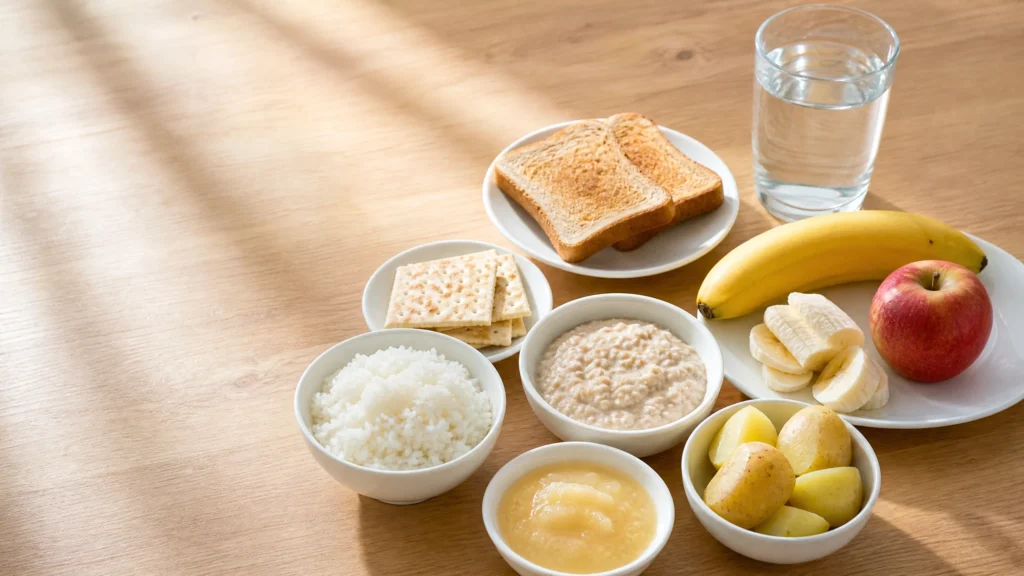
Diarrhea can make even simple meals feel overwhelming, leaving you weak, uncomfortable, and unsure of what your stomach can handle. Choosing the right foods can help calm your digestive system, replace lost nutrients, and support a quicker recovery. Knowing what to eat when you have diarrhea is one of the most effective ways to manage symptoms at home.
Although many cases improve within a few days, diarrhea can become a medical emergency if it causes severe dehydration or other complications. Seek immediate care if you have bloody diarrhea, a high fever, severe abdominal pain, confusion, fainting, or signs of dehydration. Our Laredo emergency room is open 24/7 to provide prompt evaluation and treatment.
What Is Diarrhea?
Diarrhea is a digestive condition characterized by loose, watery stools that occur three or more times a day or more frequently than your normal bowel pattern. It develops when the intestines are unable to absorb enough water or when excess fluid is released into the bowel, resulting in watery bowel movements.
According to the National Institute of Diabetes and Digestive and Kidney Diseases (NIDDK), up to 5% of people in the United States have chronic diarrhea, highlighting the importance of medical evaluation when diarrhea continues for an extended period.
What Causes Diarrhea?
- Viral Infections: Viruses such as norovirus and rotavirus commonly cause short-term diarrhea by infecting the digestive tract. Most cases improve within a few days.
- Bacterial Infections: Bacteria like Salmonella, E. coli, Campylobacter, and Shigella can cause diarrhea after consuming contaminated food or water.
- Parasitic Infections: Parasites such as Giardia and Cryptosporidium may cause prolonged diarrhea, usually from contaminated water or food.
- Food Intolerances: Lactose intolerance and sensitivity to certain foods or artificial sweeteners can trigger diarrhea after eating.
- Medications: Antibiotics, chemotherapy drugs, and some antacids can disrupt normal digestion and lead to diarrhea.
- Digestive Disorders: Conditions such as IBS, IBD, and celiac disease can cause recurring or chronic diarrhea.
- Food Poisoning: Eating contaminated food can cause sudden diarrhea as the body works to eliminate harmful bacteria, viruses, or toxins.
If diarrhea leads to severe dehydration, dizziness, persistent vomiting, or an inability to keep fluids down, visit our ER for dehydration in Laredo for prompt evaluation and treatment.
Also Read: How To Stop Diarrhea Fast
What To Eat With Diarrhea
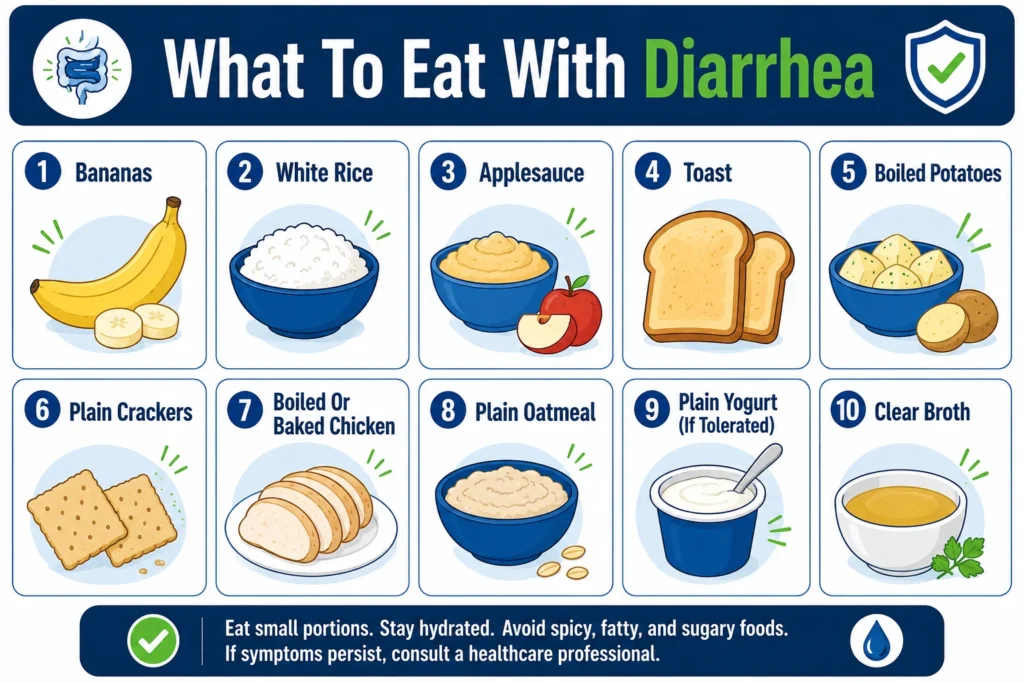
Eating the right foods can help reduce bowel irritation, replace lost nutrients, and support recovery while your digestive system heals. Choose foods that are easy to digest, low in fat, and gentle on the stomach, while avoiding spicy, greasy, and highly processed foods until your symptoms improve.
Bananas
Bananas are one of the best foods to eat with diarrhea because they are soft, easy to digest, and rich in potassium, an electrolyte commonly lost through frequent bowel movements. They also contain pectin, a soluble fiber that helps absorb excess water in the intestines and improve stool consistency. Ripe bananas are usually the easiest to tolerate.
White Rice
Plain white rice is a bland, low-fiber food that helps reduce the frequency of bowel movements without irritating the digestive tract. It is easy to digest and provides carbohydrates that help maintain energy levels while your stomach recovers. Avoid adding butter, spicy seasonings, or heavy sauces.
Applesauce
Unsweetened applesauce contains pectin, which helps absorb excess fluid in the intestines and can make stools firmer. It is easier to digest than raw apples because the cooking process breaks down much of the fiber. Choose plain applesauce without added sugar.
Toast
Plain white toast is gentle on the stomach and provides easily digestible carbohydrates without adding extra fat. It can help settle the digestive system and is often included in the BRAT diet for short-term diarrhea management. Avoid butter, jam, or rich spreads until symptoms improve.
Boiled Potatoes
Boiled potatoes are a good source of carbohydrates and potassium, which helps replace electrolytes lost during diarrhea. They are filling, easy to digest, and less likely to irritate the stomach when served plain. Skip cheese, cream, and spicy toppings.
Plain Crackers
Saltine or plain crackers are bland foods that are easy on the digestive system and can help relieve nausea while providing quick energy. Their sodium content may also help replace some salt lost through diarrhea. Eat small portions throughout the day if tolerated.
Boiled Or Baked Chicken
Skinless boiled or baked chicken provides lean protein without excess fat, helping your body recover while minimizing digestive irritation. Prepare it without heavy seasoning, sauces, or frying to keep it easy to digest.
Plain Oatmeal
Cooked oatmeal contains soluble fiber, which absorbs water and may help improve stool consistency as diarrhea begins to resolve. It is gentle on the stomach and provides steady energy. Prepare it with water and avoid adding cream or excessive sugar.
Plain Yogurt (If Tolerated)
Plain yogurt with live and active cultures may help restore the balance of beneficial gut bacteria, especially after antibiotic-associated diarrhea. Choose unsweetened, low-fat yogurt, and avoid it if dairy worsens your symptoms or if you have lactose intolerance.
Clear Broth
Clear chicken, beef, or vegetable broth helps replace fluids, sodium, and other electrolytes lost during diarrhea while keeping you hydrated. It is gentle on the stomach and can be a good option when solid foods are difficult to tolerate. Avoid creamy or heavily seasoned soups.
How Long Does Diarrhea Last?
The duration of diarrhea depends on its underlying cause:
- Acute Diarrhea: Usually lasts 1–3 days and often resolves on its own. Some cases may continue for up to 2 weeks.
- Persistent Diarrhea: Lasts 2–4 weeks and may require medical evaluation to identify the cause.
- Chronic Diarrhea: Continues for more than 4 weeks and is often linked to underlying digestive conditions such as IBS, inflammatory bowel disease (IBD), or celiac disease.
If diarrhea lasts more than 2 days in adults, continues for more than 24 hours in young children, or is accompanied by severe dehydration, bloody stools, a high fever, or severe abdominal pain, seek immediate medical care. If you’re searching for an emergency room near me, our ER is open 24/7 to provide rapid evaluation, IV fluids, and treatment for severe diarrhea and dehydration.
When To Go To The ER
Most cases of diarrhea improve within a few days, but severe symptoms can lead to dehydration and other serious complications. Go to the ER immediately if your diarrhea is severe, persistent, or accompanied by warning signs that require urgent medical treatment.
- Signs of severe dehydration (extreme thirst, dry mouth, little or no urination, dizziness, or fainting)
- Bloody or black, tarry stools
- A high fever (102°F/39°C or higher)
- Severe or persistent abdominal pain
- Diarrhea lasting more than 2 days in adults without improvement
- Persistent vomiting that prevents you from keeping fluids down
- Confusion, extreme weakness, or difficulty staying awake
- Rapid heartbeat or low blood pressure
- Severe diarrhea in infants, older adults, or people with weakened immune systems
- Signs of shock, such as cold, clammy skin or loss of consciousness
Diarrhea Care At STAT Specialty Hospital
Diarrhea can lead to dehydration, weakness, and serious health complications if it becomes severe or persistent. With an average ER wait time of just 13 minutes, STAT Specialty Hospital provides prompt evaluation and treatment to identify the underlying cause and restore hydration. If you’re unsure what to eat when you have diarrhea, we can also provide personalized dietary guidance to support a safe recovery.
If your diarrhea is accompanied by severe dehydration, bloody stools, persistent vomiting, a high fever, or intense abdominal pain, don’t delay seeking medical care. STAT Specialty Hospital’s average 13-minute ER wait time helps you receive fast, compassionate emergency care to recover quickly and reduce the risk of serious complications.
Key Takeaways
- Choose bland, easy-to-digest foods such as bananas, white rice, applesauce, toast, boiled potatoes, oatmeal, and clear broth to support recovery.
- Stay well hydrated by drinking water and electrolyte-replacement fluids to replace lost fluids and minerals.
- Avoid spicy, greasy, high-fiber, sugary, and alcoholic foods until your digestive system has fully recovered.
- Seek emergency medical care if you develop severe dehydration, bloody stools, a high fever, persistent vomiting, or diarrhea that does not improve.
Frequently Asked Questions
How Long Does Diarrhea Last?
Most cases of acute diarrhea last 1–3 days and improve on their own. However, diarrhea that lasts more than 2 weeks or becomes chronic (lasting over 4 weeks) should be evaluated by a healthcare provider.
Is Frequent Diarrhea A Sign Of Cancer?
Frequent diarrhea is not usually a sign of cancer. It is more commonly caused by infections, food intolerances, medications, or digestive disorders. However, persistent diarrhea accompanied by unexplained weight loss, blood in the stool, or ongoing abdominal pain should be medically evaluated.
Can Dehydration Cause Diarrhea?
No, dehydration does not typically cause diarrhea. Instead, diarrhea is a common cause of dehydration because the body loses large amounts of water and electrolytes through frequent loose stools.
Is Diarrhea A Symptom Of Pregnancy?
Yes, diarrhea can occur during pregnancy, especially due to hormonal changes, dietary changes, or viral infections. However, severe or persistent diarrhea during pregnancy should be evaluated by a healthcare provider to prevent dehydration and protect both mother and baby.
Can Antibiotics Give You Diarrhea?
Yes, antibiotics can cause diarrhea by disrupting the balance of healthy bacteria in your gut. This side effect is common and may occur during treatment or shortly after finishing antibiotics.
Does Teething Cause Diarrhea?
No, teething does not directly cause diarrhea. While some babies may have slightly looser stools during teething because they drool more or put objects in their mouths, there is no scientific evidence that teething causes true diarrhea.
Can Stress Cause Diarrhea?
Yes, stress can trigger diarrhea by affecting the connection between your brain and digestive system. Stress hormones can speed up bowel movements, leading to loose stools, cramps, or an urgent need to use the bathroom.