
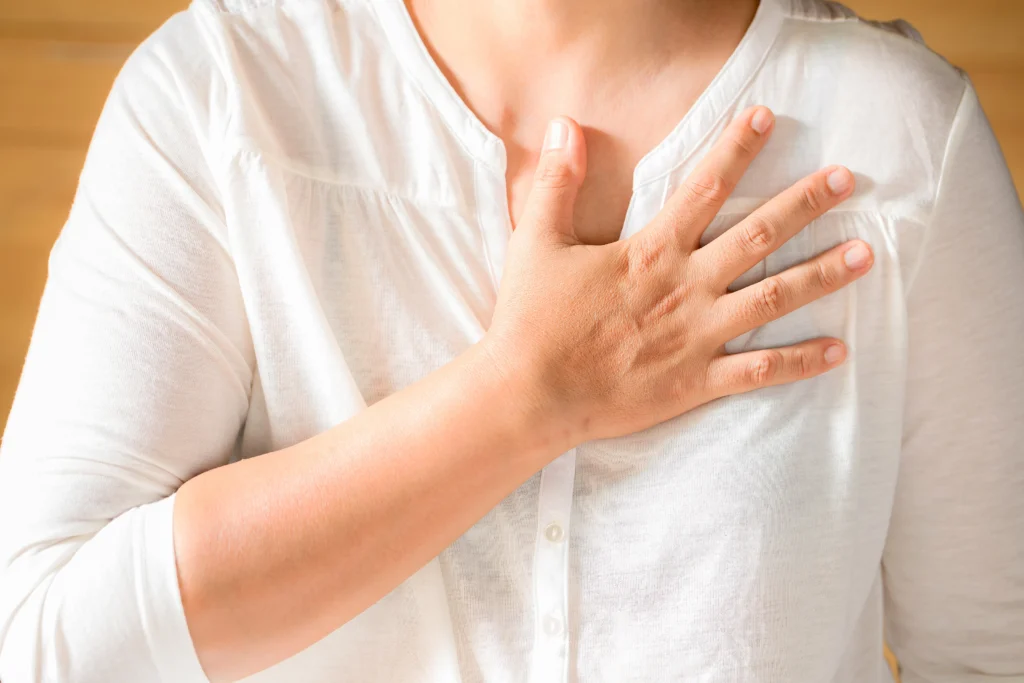
Have you ever felt your heart suddenly flutter, pound, flip-flop, or skip a beat? These sensations are called heart palpitations. They can happen while you are resting, lying in bed at night, or after a stressful moment. For most people, palpitations are harmless and pass within seconds. But in some cases, they point to a heart rhythm problem or another medical condition that needs attention.
The key is knowing which symptoms are normal and which are warning signs. If palpitations come with chest pain, fainting, or shortness of breath, call 911 or visit an emergency room laredo tx residents trust for immediate evaluation.
What Do Heart Palpitations Feel Like?
People describe palpitations in many different ways. Some feel a fluttering in the chest, while others notice a pounding in the neck or throat. Some feel as if the heart has paused for a moment and then thumped hard. Palpitations may be fast or slow, regular or irregular, and can last a few seconds or several minutes.
7 Common Causes Of Heart Palpitations
1. Stress And Anxiety (Adrenaline Rush)
Stress hormones like adrenaline speed up the heart. Panic attacks often cause a pounding heartbeat along with sweating and shortness of breath.
2. Caffeine And Energy Drinks (Stimulant Effect)
Coffee, soda, pre-workout supplements, and energy drinks can trigger extra beats, especially in large amounts.
3. Dehydration And Heat (Low Fluid Levels)
When you are low on fluids, your heart works harder to move blood. Long, hot Laredo summers make dehydration a common trigger.
4. Hormone Changes (Pregnancy, Periods, And Menopause)
Shifting hormone levels can cause palpitations during pregnancy, around periods, and during menopause.
5. Medicines And Substances (Decongestants, Alcohol, And Nicotine)
Cold medicines with pseudoephedrine, asthma inhalers, thyroid medicine, alcohol, nicotine, and illegal drugs such as cocaine can affect your heart rhythm.
6. Medical Conditions (Thyroid, Anemia, And Low Blood Sugar)
An overactive thyroid, low red blood cell counts, low blood sugar, fever, and electrolyte problems such as low potassium can all cause palpitations.
7. Heart Rhythm Problems (Arrhythmias)
Extra beats called PACs and PVCs are common and usually harmless. However, palpitations can also be caused by atrial fibrillation, supraventricular tachycardia, or ventricular arrhythmias, which may need treatment.
When Palpitations Are Usually Harmless
Palpitations are less likely to be serious if they are brief, happen after a clear trigger like coffee or stress, and you feel otherwise well. Still, it is a good idea to mention them to your doctor, especially if they happen often.
Read More: Dehydration and Heart Rate Warning Signs
When To See A Doctor
Schedule a visit with your doctor if palpitations happen frequently, last longer than a few minutes, or seem to be getting worse. Call 911 or go to the ER right away if palpitations come with:
- Chest pain, pressure, or tightness.
- Fainting or nearly fainting.
- Severe shortness of breath.
- Dizziness or confusion.
- A very fast heart rate that does not slow down.
- Palpitations in someone with known heart disease or a family history of sudden cardiac death.
Diagnosis And Testing
- EKG: records your heart rhythm in minutes.
- Holter or event monitor: a wearable device that tracks your heartbeat for days or weeks.
- Blood tests: check thyroid levels, electrolytes, blood sugar, and anemia.
- Echocardiogram: an ultrasound of the heart’s structure and pumping.
- Stress test: shows how your heart responds to exercise.
Many causes of palpitations, such as low potassium or thyroid problems, show up only on blood work. Having On-site lab services Laredo patients can access in the ER means results come back quickly, so doctors can find the cause and start treatment sooner.
Treatment Options
- Avoiding triggers: such as caffeine, alcohol, and nicotine.
- Treating the underlying condition: like thyroid disease or anemia.
- IV fluids and electrolytes: for dehydration or low potassium and magnesium.
- Heart rhythm medicines: such as beta blockers.
- Procedures: such as cardioversion or catheter ablation for certain arrhythmias.
The American Heart Association notes that many palpitations are not dangerous, but testing is the only way to know for sure.
Tips To Reduce Palpitations At Home
- Cut back on caffeine and energy drinks.
- Drink plenty of water, especially in hot weather.
- Practice deep breathing, yoga, or meditation.
- Get 7 to 9 hours of sleep.
- Avoid smoking, vaping, and excess alcohol.
Frequently Asked Questions
Why Do I Feel Palpitations At Night?
When you lie down and things are quiet, you may simply notice your heartbeat more. Lying on your left side can also make it more noticeable.
Can Palpitations Cause A Heart Attack?
Palpitations themselves do not cause heart attacks, but they can occur along with one. Chest pain with palpitations needs emergency care.
How Long Do Palpitations Last?
Most last only seconds. Palpitations lasting more than a few minutes should be checked.
Need Emergency Help? Visit STAT Specialty Hospital
Heart palpitations are often harmless, but they should never be ignored when they come with other symptoms. STAT Specialty Hospital offers EKGs, cardiac monitoring, on-site labs, and board-certified physicians 24/7. When you need a trusted laredo emergency room, our team is ready to help. For life-threatening emergencies, call 911 right away.
Visit STAT Specialty Hospital today – where emergency care meets excellence.