
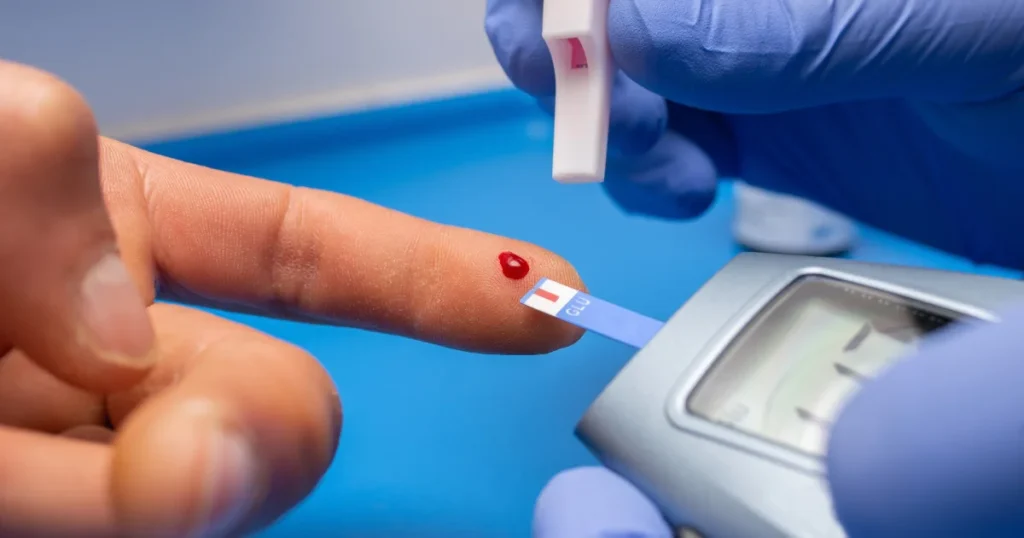
If you or someone you love has diabetes, it can be worrying when blood sugar becomes difficult to manage, or you suddenly feel unwell. Diabetic ketoacidosis (DKA) is a serious diabetes complication that occurs when the body does not have enough insulin to use glucose properly and begins breaking down fat for energy, causing ketones to build up in the blood.
DKA can become life-threatening without prompt medical treatment. If you are concerned about a possible diabetes emergency, our emergency room in Eagle Pass is available for urgent evaluation and care. Prompt medical attention is important because DKA can worsen rapidly.
What Causes DKA?
Diabetic ketoacidosis develops when the body does not have enough effective insulin to keep blood glucose under control and prevent excessive fat breakdown. It can be frightening because DKA may develop or worsen over a relatively short period, particularly when the body is under physical stress. Understanding what can trigger this complication can help people with diabetes recognize situations that may require closer monitoring.
Missed Or Insufficient Insulin
Not taking prescribed insulin or taking less insulin than the body needs can allow glucose to remain in the bloodstream while cells are unable to use it properly. The body may then begin breaking down fat for energy, producing ketones as a byproduct. This can cause ketones to accumulate and lead to DKA. Problems with insulin delivery, such as an insulin pump malfunction, can also contribute.
Infection Or Illness
An infection or other illness can place significant stress on the body and increase levels of hormones that raise blood glucose. This can increase the body’s need for insulin and make blood sugar more difficult to control. Even when a person is eating less than usual during an illness, insulin requirements may not decrease in the same way. For people with diabetes, illness can therefore increase the risk of DKA.
Insulin Pump Problems
Insulin pumps provide a continuous supply of insulin, so an interruption can cause insulin levels to fall quickly. A blocked or disconnected infusion set, pump malfunction, or other delivery problem may prevent the expected amount of insulin from reaching the body. Because there is little or no long-acting insulin stored in the body when using some pump regimens, DKA can develop rapidly if insulin delivery stops.
Newly Diagnosed Type 1 Diabetes
DKA can sometimes be the first major sign of type 1 diabetes, particularly when the condition has not yet been diagnosed. In type 1 diabetes, the pancreas produces little or no insulin, preventing glucose from entering cells normally. As the body turns to fat for energy, ketones can accumulate in the bloodstream. This is one reason DKA may occur before a person knows they have diabetes.
Severe Physical Stress
Major physical stress can increase hormones such as adrenaline and cortisol, which can raise blood glucose and increase the body’s demand for insulin. Serious injuries, surgery, or other significant medical problems may place enough stress on the body to contribute to DKA. People with diabetes may need closer glucose and ketone monitoring during periods of significant physical stress.
Dehydration
Dehydration can make it harder for the body to regulate blood glucose and remove excess glucose and ketones through the kidneys. High blood glucose can also cause increased urination, which may worsen fluid loss. As dehydration progresses, blood glucose and ketone levels can become more difficult to manage. Severe dehydration can therefore contribute to the development or worsening of DKA.
Certain Medications
Some medications can affect blood glucose levels or increase the risk of DKA in certain people with diabetes. Sodium-glucose cotransporter-2 (SGLT2) inhibitors, for example, have been associated with DKA, including cases where blood glucose is not extremely high. Corticosteroids and some other medicines can also raise blood glucose and increase insulin requirements. Medication-related risk should be discussed with a healthcare professional rather than stopping a prescribed medicine without guidance.
Alcohol Use
Heavy alcohol consumption can interfere with normal glucose metabolism and may contribute to ketone production, particularly when combined with poor food intake, vomiting, or dehydration. In people with diabetes, these effects can make blood glucose management more difficult. Alcohol-related metabolic changes may also complicate recognition of DKA because symptoms can overlap with other serious conditions. Medical evaluation is important when significant vomiting, dehydration, or abnormal glucose levels occur.
DKA Symptoms That Should Never Be Ignored
DKA symptoms can develop quickly and may initially seem similar to a stomach illness, dehydration, or another common condition. Recognizing the warning signs is important because DKA can cause severe dehydration, metabolic changes, and altered consciousness when it progresses.
In one clinical study, nausea and vomiting occurred in 57.7% of patients, while abdominal pain and dehydration each occurred in 42.2%. If several of these symptoms occur together, especially in someone with diabetes, urgent medical evaluation is needed.
- Nausea or persistent vomiting.
- Abdominal pain.
- Excessive thirst.
- Frequent urination.
- Dehydration, including dry mouth, weakness, or dizziness.
- Extreme tiredness or weakness.
- Shortness of breath or deep, rapid breathing.
- Fruity-smelling breath.
- Confusion, drowsiness, or difficulty staying awake.
- Headache or dizziness.
- High blood sugar or elevated ketone levels.
- Rapid heartbeat.
- Fainting or loss of consciousness in severe cases.
How Is DKA Diagnosed?
DKA is diagnosed by combining a person’s symptoms and medical history with blood and urine tests. Healthcare professionals look for ketone buildup, metabolic acidosis, and elevated blood glucose, although DKA can occasionally occur without severely elevated glucose levels. Testing also helps determine how serious the condition is and whether complications such as dehydration or electrolyte abnormalities are present.
Blood Glucose Testing
A blood glucose test measures the amount of glucose in the bloodstream. DKA commonly occurs when blood glucose is elevated, but euglycemic DKA can occur with normal or only mildly elevated glucose levels. For this reason, a normal glucose reading does not always rule out DKA when other warning signs are present.
Blood Or Urine Ketone Testing
Ketone testing checks whether the body is producing excessive ketones. Blood beta-hydroxybutyrate testing is commonly preferred because it measures the main ketone associated with DKA. Urine ketone testing may also be used, particularly when blood ketone testing is not available.
Blood Acidity And Bicarbonate Testing
Healthcare professionals measure blood acidity and bicarbonate levels to determine whether metabolic acidosis is present. DKA causes ketones to accumulate, which can lower blood pH and bicarbonate. These measurements help confirm the diagnosis and assess the severity of the metabolic disturbance.
Electrolyte And Kidney Function Tests
Blood tests measure electrolytes such as potassium, sodium, and bicarbonate, along with kidney function markers. DKA can cause substantial fluid and electrolyte losses through increased urination and dehydration. These results are important not only for diagnosis but also for safely guiding treatment.
Tests To Identify The Underlying Trigger
After DKA is identified, additional testing may be needed to determine what triggered it. Depending on the person’s symptoms, clinicians may evaluate for infection, heart problems, medication-related factors, or other illnesses. Identifying the trigger is important because treating DKA also requires addressing the condition that caused or contributed to it.
When To Go To The ER For DKA
DKA can become life-threatening and requires urgent medical treatment. If you have diabetes and develop high ketones, persistent vomiting, difficulty breathing, severe dehydration, confusion, or rapidly worsening symptoms, go to the ER immediately rather than waiting for them to improve.
- High or rising ketone levels.
- Blood sugar that remains at 300 mg/dL or higher.
- Difficulty breathing or deep, rapid breathing.
- Persistent vomiting or inability to keep fluids down.
- Severe dehydration, dizziness, or weakness.
- New confusion or difficulty staying awake.
- Fainting or loss of consciousness.
- Multiple DKA warning signs occurring together.
- Symptoms that rapidly worsen despite diabetes management.
If you are concerned about yourself or someone you love, prompt care matters. Our closest emergency room near me is available for urgent evaluation of sudden illnesses and injuries, 24/7.
How To Treat DKA
DKA is a medical emergency that requires prompt hospital treatment. Without proper care, severe dehydration, electrolyte changes, and blood acidity can become dangerous. Treatment focuses on correcting these imbalances, stopping ketone production, and addressing the trigger. Because DKA can worsen quickly, it should not be treated at home.
- IV Fluids: Replace fluids lost through dehydration and help restore circulation and kidney function.
- Insulin Therapy: Insulin stops excessive ketone production and helps glucose move into cells. Levels are monitored closely during treatment.
- Electrolyte Replacement: Potassium and other electrolytes are monitored and replaced when needed to maintain safe levels.
- Glucose Replacement: Glucose may be added to IV fluids as blood sugar falls, allowing insulin to continue clearing ketones safely.
- Treating The Trigger: Healthcare professionals identify and treat the underlying cause, such as an infection, missed insulin, or another illness.
- Close Monitoring: Blood glucose, ketones, electrolytes, blood acidity, and vital signs are monitored throughout treatment.
STAT Specialty Hospital For DKA Care
DKA can progress quickly and requires immediate medical attention, particularly when high ketones, persistent vomiting, breathing changes, severe dehydration, or confusion develop. Getting evaluated early can help prevent serious complications and ensure the condition is treated safely.
At STAT Specialty Hospital, our emergency teams provide 24/7 care for patients experiencing suspected DKA and other diabetes-related emergencies. With ER wait times of 15 minutes or less, you can receive timely evaluation, testing, and treatment when urgent care is needed.
Key Takeaways
- DKA is a serious diabetes complication caused by a lack of effective insulin and excessive ketone buildup.
- DKA can cause high blood sugar, dehydration, nausea, vomiting, abdominal pain, and changes in breathing.
- Illness, infection, missed insulin, insulin pump problems, and other factors can trigger DKA.
- Diagnosis involves checking blood glucose, ketones, blood acidity, electrolytes, and kidney function.
- DKA requires urgent hospital treatment with fluids, insulin, electrolyte management, and close monitoring.
- Severe vomiting, difficulty breathing, confusion, fainting, or high ketone levels require immediate emergency care.
Frequently Asked Questions About DKA
How Long Does It Take To Die From Diabetic Ketoacidosis?
There is no predictable timeline. Untreated DKA can become life-threatening within hours, so suspected DKA requires immediate emergency medical care rather than waiting for symptoms to improve.
Can You Have DKA Without Diabetes?
DKA most commonly occurs in people with diabetes, particularly type 1 diabetes. However, it can occasionally occur without a previous diabetes diagnosis or with only mildly elevated blood glucose.
Can DKA Happen With Normal Blood Sugar?
Yes. Euglycemic DKA can occur with normal or only mildly elevated blood glucose, including in some people taking SGLT2 inhibitor medications.
What Does DKA Feel Like?
DKA may cause intense thirst, frequent urination, nausea, vomiting, abdominal pain, weakness, dehydration, deep or rapid breathing, and fruity-smelling breath. Severe cases can cause confusion or loss of consciousness.