
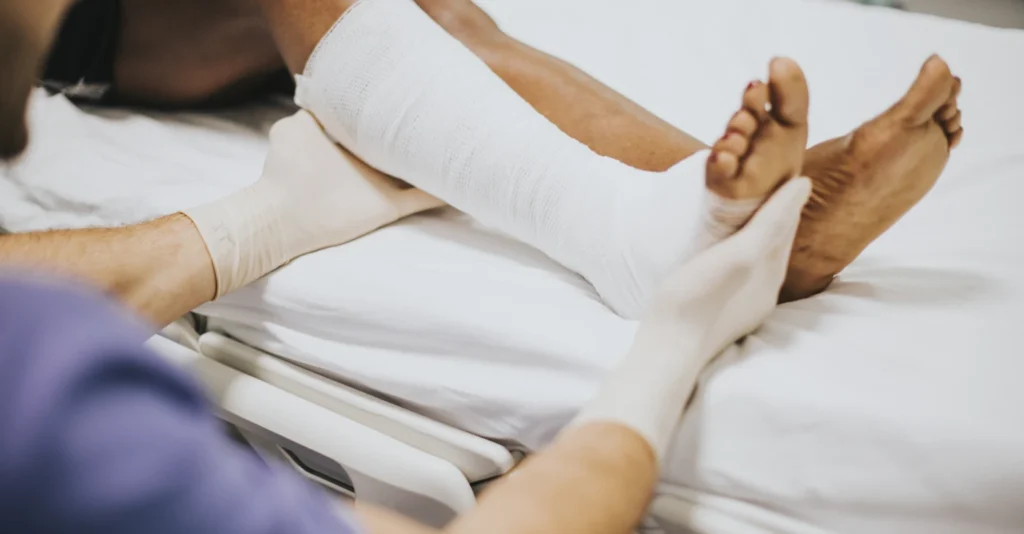
It can be distressing to suddenly feel intense pain after a fall, accident, or sports injury. Many people initially try to ignore it, hoping it will improve on its own, but persistent pain, swelling, or difficulty moving a limb can quickly become overwhelming. What starts as a simple injury can sometimes indicate a more serious underlying bone problem that needs proper evaluation.
A suspected bone injury should never be taken lightly, even if symptoms seem mild at first. Fractures can worsen without timely treatment and may lead to long-term complications such as improper healing or loss of function. Seeking immediate medical attention at our Laredo emergency room is important, especially when there is severe pain, visible deformity, or inability to move the affected area.
What Is A Fracture?
A fracture is a partial or complete break, crack, or damage in a bone that happens when the force applied to it is greater than the bone can tolerate. It can occur from falls, accidents, sports injuries, direct impact, or conditions that weaken bone strength. Depending on the severity, a fracture may cause pain, swelling, bruising, limited movement, or visible changes in the injured area.
Fractures are common injuries that can affect people of all ages and may require medical evaluation to ensure proper healing. A PubMed study analyzing the global burden of fractures estimated that there were 178 million new fractures worldwide in 2019.
Bone Fracture Symptoms To Watch For
- Severe Pain: A fracture often causes sudden, intense pain that may worsen with movement or pressure on the injured area. The pain can continue even when the affected body part is kept still.
- Swelling And Bruising: Swelling, tenderness, and bruising around the injury site are common signs of a possible fracture. These symptoms may appear quickly after trauma or develop over several hours.
- Visible Deformity: A bone fracture can sometimes cause the affected area to look bent, twisted, or out of its normal position. This may indicate a more serious injury requiring urgent medical evaluation.
- Difficulty Moving: Limited movement or inability to put weight on the injured area can be a warning sign of a fracture. Pain and instability may make normal activities difficult or impossible.
- Hearing A Cracking Sound: Some people hear or feel a snapping, popping, or cracking sensation at the time of injury. This can happen when the bone breaks due to sudden force.
- Numbness Or Tingling: Fractures may affect nearby nerves, causing numbness, tingling, or weakness around the injured area. These symptoms should be checked by a healthcare professional.
- Tenderness Around The Injury: The area around a fractured bone is often extremely sensitive to touch. Even gentle pressure may cause significant discomfort.
If you or a loved one is experiencing these symptoms, prompt evaluation is important to prevent further complications. Our broken bone treatment provides timely assessment, imaging, and care to support proper healing and recovery.
Types Of Bone Fractures And Their Treatments
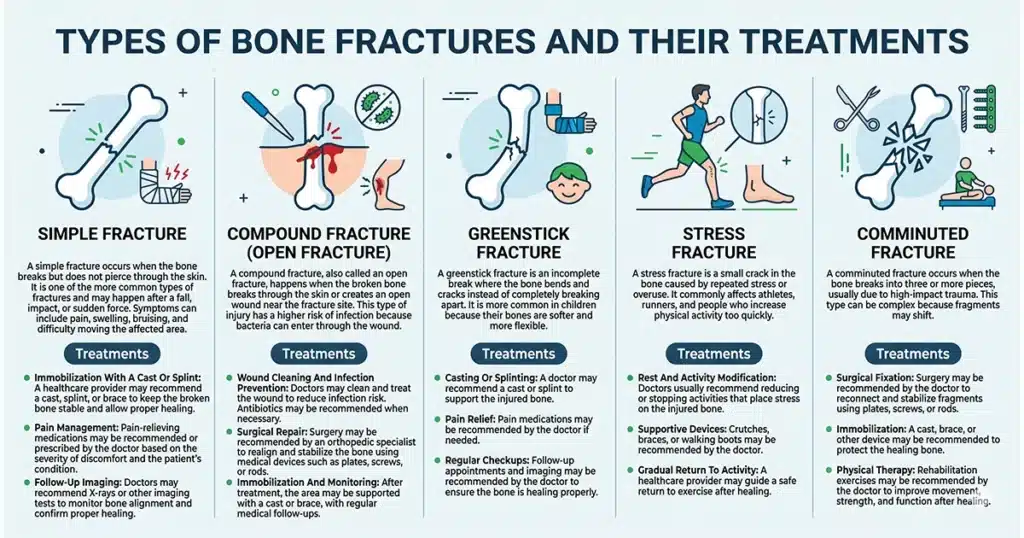
A bone fracture can affect anyone and may happen due to accidents, falls, sports injuries, or weakened bones. The severity of a fracture can vary depending on the force of the injury and the location of the affected bone. Getting the right diagnosis and treatment is important to support proper healing and reduce the risk of long-term problems.
Simple Fracture
A simple fracture occurs when the bone breaks but does not pierce through the skin. It is one of the more common types of fractures and may happen after a fall, impact, or sudden force. Symptoms can include pain, swelling, bruising, and difficulty moving the affected area. Proper care is important to allow the bone to heal correctly and prevent further damage.
Treatments
- Immobilization With A Cast Or Splint: A healthcare provider may recommend a cast, splint, or brace to keep the broken bone stable and allow proper healing.
- Pain Management: Pain-relieving medications may be recommended or prescribed by the doctor based on the severity of discomfort and the patient’s condition.
- Follow-Up Imaging: Doctors may recommend X-rays or other imaging tests to monitor bone alignment and confirm proper healing.
Compound Fracture (Open Fracture)
A compound fracture, also called an open fracture, happens when the broken bone breaks through the skin or creates an open wound near the fracture site. This type of injury has a higher risk of infection because bacteria can enter through the wound. Immediate medical attention is important to protect the bone, surrounding tissues, and overall recovery.
Treatments
- Wound Cleaning And Infection Prevention: Doctors may clean and treat the wound to reduce infection risk. Antibiotics may be recommended or prescribed by the doctor when necessary.
- Surgical Repair: Surgery may be recommended or performed by an orthopedic specialist to realign and stabilize the broken bone using medical devices such as plates, screws, or rods.
- Immobilization And Monitoring: After treatment, the affected area may be supported with a cast or brace, with regular medical follow-ups to track healing.
Greenstick Fracture
A greenstick fracture is an incomplete break where the bone bends and cracks instead of completely breaking apart. It is more common in children because their bones are softer and more flexible. Although the injury may appear less severe, medical evaluation is still important to ensure the bone heals in the correct position.
Treatments
- Casting Or Splinting: A doctor may recommend a cast or splint to support the injured bone while it heals.
- Pain Relief: Pain medications may be recommended or prescribed by the doctor if needed to manage discomfort.
- Regular Checkups: Follow-up appointments and imaging may be recommended by the doctor to ensure the bone is healing properly.
Stress Fracture
A stress fracture is a small crack in the bone caused by repeated stress or overuse rather than a single major injury. It commonly affects athletes, runners, and people who increase physical activity too quickly. Pain may develop gradually and often worsens with activity. Early diagnosis can help prevent the fracture from becoming more serious.
Treatments
- Rest And Activity Modification: Doctors usually recommend reducing or stopping activities that place stress on the injured bone to support healing.
- Supportive Devices: Crutches, braces, or walking boots may be recommended by the doctor to reduce pressure on the affected area.
- Gradual Return To Activity: A healthcare provider may guide a safe return to exercise after the bone has healed to prevent reinjury.
Comminuted Fracture
A comminuted fracture occurs when the bone breaks into three or more pieces, usually due to high-impact trauma such as serious accidents. This type of fracture can be complex because the bone fragments may shift out of alignment. Treatment often depends on the location, severity, and stability of the injury.
Treatments
- Surgical Fixation: Surgery may be recommended or performed by the doctor to reconnect and stabilize bone fragments using plates, screws, or rods.
- Immobilization: A cast, brace, or other support device may be recommended by the doctor to protect the healing bone.
- Physical Therapy: Rehabilitation exercises may be recommended by the doctor to improve movement, strength, and function after healing.
When To Go To The ER
A possible fracture may need emergency care when symptoms are severe or there are signs of serious injury. Prompt treatment can help reduce complications and support proper healing.
- Severe Pain: Intense or worsening pain after an injury that does not improve with rest.
- Visible Bone Or Open Wound: Bone showing through the skin or a deep wound near the injury site.
- Deformity: The injured area looks bent, twisted, or out of its normal position.
- Numbness Or Tingling: Loss of feeling, weakness, or unusual sensations near the injury.
- Unable To Move: Difficulty moving or using the injured body part.
- Severe Swelling: Rapid swelling or bruising after an injury.
- Color Or Temperature Changes: Skin becoming pale, blue, cold, or unusual around the injury.
If you suspect a serious fracture or notice any of these warning signs, do not delay medical care. Searching for an emergency room near me can help you receive prompt evaluation, imaging, and treatment to prevent further complications.
Get Expert Fracture Care At STAT Specialty Hospital
A fracture can cause significant pain, limited movement, and concerns about proper recovery if it is not evaluated and treated appropriately. At STAT Specialty Hospital, patients with suspected bone injuries receive timely assessments to determine the severity of the injury and the most suitable care approach for their condition. With our ER wait time of 15 minutes, patients can receive prompt evaluation and necessary treatment without unnecessary delays.
At STAT Specialty Hospital, our medical team provides personalized, evidence-based treatment for different types of fractures, from initial evaluation and stabilization to recovery support. Our goal is to reduce discomfort, promote proper bone healing, restore function, and help prevent complications through timely and specialized care.
Key Takeaways
- Fractures Can Vary In Severity: Bone fractures range from minor cracks to severe breaks that may require urgent medical care and specialized treatment.
- Common Symptoms Need Attention: Pain, swelling, bruising, difficulty moving, deformity, and numbness can be warning signs of a possible fracture.
- Different Fractures Need Different Treatments: Treatment depends on the type, location, and severity of the injury and may include immobilization, medication recommended by a doctor, or surgery when necessary.
- Emergency Signs Should Not Be Ignored: Severe pain, visible bone, major deformity, loss of feeling, or inability to use the injured area require immediate medical evaluation.
- Proper Care Supports Healing: Early diagnosis and following a healthcare provider’s treatment plan can improve recovery and reduce the risk of complications.
- Expert Evaluation Matters: Professional medical assessment helps ensure the fracture heals correctly and restores strength and movement.
Frequently Asked Questions
How Long Can A Stress Fracture Take To Heal?
A stress fracture typically takes around 6 to 8 weeks to heal, but recovery depends on the location and severity of the injury. Rest and avoiding activities that worsen pain are important for proper recovery. A doctor may recommend follow-up care to monitor healing.
Is A Fracture The Same As A Break?
Yes, a fracture and a break mean the same thing medically and both describe a damaged or cracked bone. The difference is only in the wording, as “fracture” is the medical term. Treatment depends on the type and severity of the injury.
How Long Does A Fracture Bone Take To Heal?
Most broken bones heal within 6 to 12 weeks, but some fractures may take longer depending on the bone involved and overall health. Proper treatment and following medical advice can support better healing.
How Serious Is A Compression Fracture Of The Spine?
A compression fracture of the spine can be serious and may cause pain, reduced movement, and changes in posture. Some cases require medical treatment to prevent further complications. Early evaluation helps determine the right care approach.