
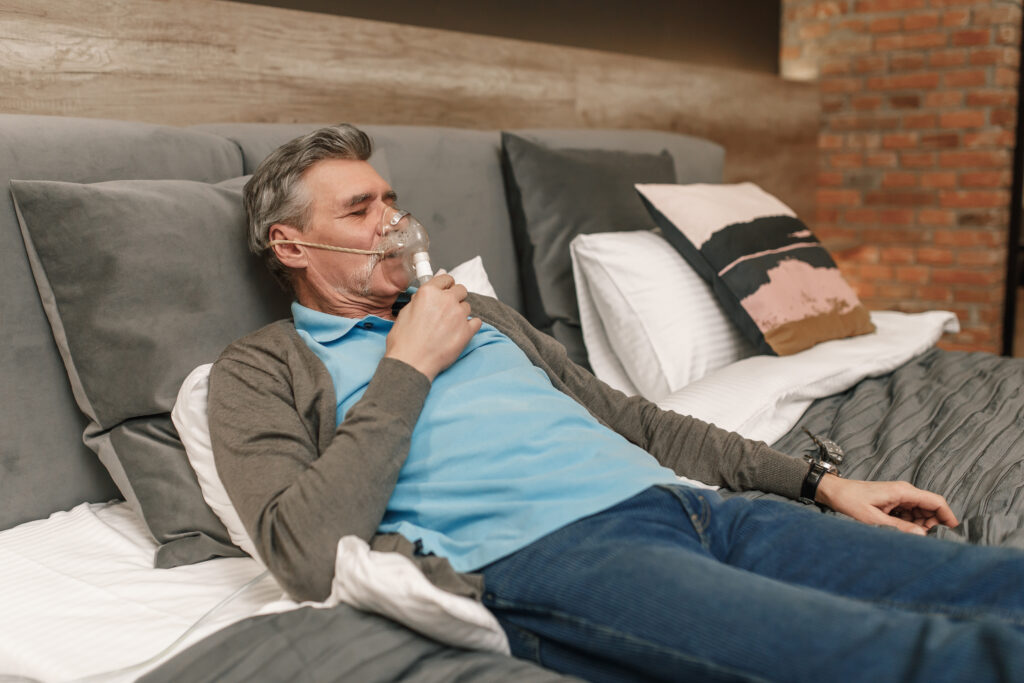
Chronic obstructive pulmonary disease (COPD) affects millions of Americans, making everyday breathing a challenge. Most days, symptoms may be manageable with medicine and healthy habits. But sometimes symptoms suddenly get much worse. This sudden worsening is called a COPD exacerbation, and it can range from mild to life-threatening.
Below, we break down what causes a COPD exacerbation, how to spot the warning signs, and what treatment looks like. If you are struggling to breathe, do not wait. Searching for an emergency room near me could be the most important step you take.
1. Respiratory Infections (Colds, Flu, And Pneumonia)
Viral and bacterial infections are the most common trigger of COPD flare-ups. Viruses such as the common cold, influenza, RSV, and COVID-19 inflame the airways that are already damaged by COPD. Bacterial infections, including pneumonia, can make breathing even more difficult. This is why flare-ups tend to rise during fall and winter, when respiratory viruses spread most easily in schools, workplaces, and crowded indoor spaces.
2. Air Pollution (Smog, Dust, And Smoke)
Poor air quality irritates the lungs. Ozone, vehicle exhaust, dust storms, and smoke from wildfires or burning fields can all trigger symptoms. In South Texas, hot, dry, and windy days can increase dust and pollution levels.
3. Cigarette Smoke (Active And Secondhand)
Smoking is the leading cause of COPD, and continued smoking is a major trigger for flare-ups. Even secondhand smoke can inflame sensitive airways.
4. Extreme Weather (Heat, Humidity, And Cold Fronts)
Very hot, humid air can feel heavy and hard to breathe, while sudden cold air can tighten the airways. Laredo’s long, hot summers and occasional winter cold snaps can both put extra strain on the lungs.
5. Allergens (Pollen, Mold, And Dust Mites)
Allergies can cause airway inflammation and increase mucus. People with COPD who also have allergies or asthma may notice more symptoms during peak pollen seasons.
6. Missed Or Incorrect Medication Use (Inhalers And Nebulizers)
Skipping maintenance inhalers, running out of prescriptions, or using an inhaler incorrectly allows inflammation to build. Proper inhaler technique makes a big difference in how much medicine reaches the lungs.
7. Heart Problems (Heart Failure And Arrhythmias)
Heart and lung health are closely linked. Heart failure or an irregular heartbeat can cause fluid buildup and breathlessness that worsens COPD symptoms.
8. Other Factors (Stress, Reflux, And Blood Clots)
Anxiety can make breathing feel more difficult. Acid reflux can irritate the airways, and a blood clot in the lungs, called a pulmonary embolism, can mimic or trigger a flare-up.
Add CTA Here: Get Emergency Care
Warning Signs Of A COPD Flare-Up
- More shortness of breath than usual.
- Increased coughing.
- More mucus, or a change in its color or thickness.
- Wheezing or chest tightness.
- Needing your rescue inhaler more often.
- Unusual tiredness or trouble sleeping.
When To See A Doctor
Contact your doctor if your symptoms are worse than usual for more than a day or two. Call 911 or go to the ER right away if you have:
- Severe shortness of breath at rest.
- Blue or gray lips or fingertips.
- Confusion or drowsiness.
- Chest pain or a racing heartbeat.
- A rescue inhaler that does not help.
Diagnosis And Testing
- Pulse oximetry: measures your oxygen level.
- Arterial blood gas test: checks oxygen and carbon dioxide levels.
- Chest X-ray: looks for pneumonia or other lung problems.
- EKG: checks for heart rhythm problems.
- Blood tests: look for infection and other issues.
Treatment Options
- Bronchodilators: open the airways quickly through a nebulizer or inhaler.
- Steroids: reduce airway inflammation.
- Antibiotics: treat bacterial infections.
- Oxygen therapy: raises low oxygen levels.
- Breathing support: such as BiPAP for severe flare-ups.
Patients across South Texas who need an emergency room laredo tx can receive all of these treatments, along with on-site imaging and lab testing, without being sent elsewhere.
How To Prevent Future Flare-Ups
- Take your maintenance medicines every day.
- Get flu, COVID-19, pneumococcal, and RSV vaccines.
- Quit smoking and avoid secondhand smoke.
- Check air quality alerts before outdoor activities.
- Ask your doctor about pulmonary rehabilitation.
Frequently Asked Questions
What Is The Most Common Cause Of A COPD Exacerbation?
Respiratory infections, especially colds and the flu, cause the majority of flare-ups.
How Long Does A COPD Flare-Up Last?
Most flare-ups last 7 to 10 days, though full recovery can take several weeks.
Can A COPD Exacerbation Be Prevented?
Not every flare-up can be prevented, but vaccines, daily medicines, and avoiding triggers can greatly reduce how often they happen.
Need Emergency Help? Visit STAT Specialty Hospital
A COPD exacerbation can turn serious quickly. STAT Specialty Hospital provides hospital-level emergency, inpatient, and outpatient care with board-certified physicians available 24/7. If you need a trusted laredo emergency room, our team is ready to help you breathe easier. For life-threatening emergencies, call 911 right away. Visit STAT Specialty Hospital today – where emergency care meets excellence.