
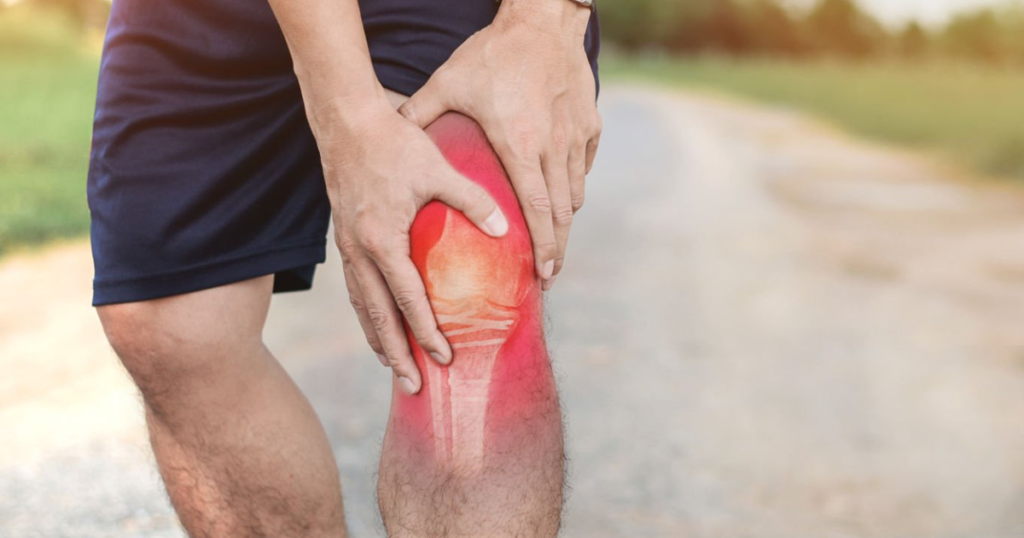
Knee pain is one of the most common musculoskeletal complaints among adults. If you’re wondering what causes knee pain, the answer can range from a minor overuse injury to arthritis, ligament damage, or an underlying medical condition.
According to the Centers for Disease Control and Prevention (CDC), millions of U.S. adults live with arthritis, a leading cause of knee pain and disability. For some people, symptoms improve with rest, while others may need prompt evaluation through an Laredo emergency room when severe pain or injury occurs.
Anatomy of the Knee
The knee is the largest joint in the body and consists of several structures that work together to provide stability and movement.
The knee joint includes:
- Femur (thigh bone)
- Tibia (shin bone)
- Patella (kneecap)
- Articular cartilage
- Meniscus
- Ligaments
- Tendons
- Bursae
Cartilage cushions the bones and allows smooth movement. The menisci act as shock absorbers, while ligaments hold the joint together. Tendons connect muscles to bones, and bursae reduce friction between tissues. Damage to any of these structures can lead to knee pain.
Knee Pain Symptoms
Knee pain symptoms can vary depending on the underlying cause. Common symptoms include:
- Swelling and stiffness: The knee may appear swollen and feel stiff, making it difficult to bend or fully straighten the joint.
- Clicking, popping, or grinding sensations: You may hear or feel unusual sounds during movement, which can sometimes indicate cartilage or meniscus problems.
- Knee instability or buckling: The knee may feel weak or give out unexpectedly, often due to ligament injuries or muscle weakness.
- Redness and warmth: Inflammation or infection can cause the skin around the knee to become red and warm to the touch.
- Severe or sharp pain: Sudden or intense pain may occur after an injury or with certain conditions, such as gout.
- Reduced range of motion: Pain and stiffness can limit your ability to move the knee normally.
- Pain when walking or bearing weight: Discomfort may worsen during activities such as walking, climbing stairs, or standing for long periods.
- Locking of the knee: Some people experience a sensation that the knee gets stuck or cannot move freely, which may occur with meniscus injuries.
Knee Pain Causes
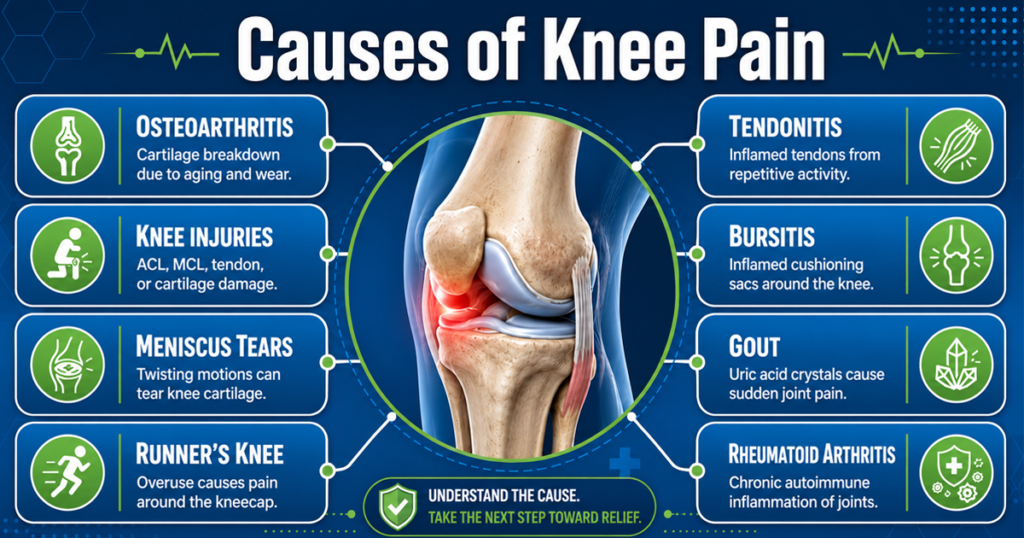
Several conditions can affect the knee joint. Understanding the most common causes can help identify when a medical evaluation is needed.
1. Osteoarthritis of the Knee
Osteoarthritis occurs when cartilage gradually wears down over time. It is one of the most common causes of knee pain, particularly in older adults.
Risk factors include aging, excess weight, previous injuries, and family history. Symptoms often include stiffness, swelling, and pain that worsens with activity. According to the CDC, osteoarthritis is the most common form of arthritis and affects millions of adults in the United States.
Read Related: What Causes Joint Pain All Over The Body
2. Knee Injuries
Knee injuries are a common cause of knee pain and often occur during sports, exercise, falls, or motor vehicle accidents. Sudden twisting, pivoting, or direct impact can damage important structures within the knee, including the ligaments, cartilage, and tendons. Symptoms typically include pain, swelling, bruising, instability, and difficulty bearing weight on the affected leg.
Anterior cruciate ligament (ACL) tears are among the most common sports-related knee injuries, especially in activities that involve jumping, cutting, and rapid changes in direction, such as soccer, basketball, and football. Other ligament injuries, including medial collateral ligament (MCL) tears, can also cause significant pain and may require rehabilitation or surgical treatment depending on the severity of the injury.
Read More: Sprained Knee Causes, Symptoms & Recovery
3. Meniscus Tears
The meniscus is a C-shaped piece of cartilage that cushions and stabilizes the knee joint. A meniscus tear often occurs when the knee twists suddenly while the foot remains planted on the ground. This injury is common among athletes but can also develop gradually in older adults as the cartilage weakens with age. Symptoms may include pain, swelling, knee locking, and difficulty moving the joint through its full range of motion.
4. Patellofemoral Pain Syndrome (Runner’s Knee)
Patellofemoral pain syndrome is a common condition that causes pain around the front of the knee and behind the kneecap. It often develops when repeated stress irritates the tissues surrounding the patella. Factors such as overuse, poor knee alignment, muscle weakness, and improper movement patterns can increase the risk. The condition is especially common in runners, cyclists, and individuals who participate in high-impact activities.
5. Tendonitis and Overuse Injuries
Tendonitis occurs when the tendons around the knee become irritated or inflamed due to repetitive movements. Activities such as running, jumping, squatting, or frequent kneeling can place excessive stress on these tissues over time. Symptoms typically include localized pain, tenderness, and discomfort that worsen during physical activity and improve with rest.
6. Bursitis
Bursitis develops when one of the bursae, the small fluid-filled sacs that cushion the knee joint, becomes inflamed. This condition can result from repetitive kneeling, prolonged pressure on the knee, direct trauma, or, in some cases, infection. People with bursitis often experience swelling, tenderness, warmth, and pain that may worsen with movement or prolonged activity.
7. Gout
Gout is a type of inflammatory arthritis that can cause sudden and severe knee pain without any injury. It occurs when uric acid crystals build up inside the joint, triggering intense inflammation. Symptoms often appear suddenly and may include severe pain, swelling, redness, warmth, and tenderness that can make even light movement uncomfortable.
8. Rheumatoid Arthritis
Rheumatoid arthritis is an autoimmune disease that causes chronic joint inflammation. According to the National Institute of Arthritis and Musculoskeletal and Skin Diseases (NIAMS), rheumatoid arthritis can affect multiple joints, including the knees, and may lead to long-term joint damage if untreated.
What Can Cause Knee Pain Without Injury?
Not all knee pain is caused by a fall, sports injury, or accident. Many conditions can cause knee pain to develop gradually over time.
- Arthritis and age-related joint changes: As you age, the cartilage that cushions the knee naturally wears down. This can lead to pain, stiffness, swelling, and reduced mobility, especially during daily activities.
- Excess weight and joint stress: Carrying extra body weight places additional pressure on the knee joints. Over time, this increased stress can accelerate cartilage wear and contribute to chronic knee pain.
- Inflammatory conditions: Conditions such as rheumatoid arthritis, psoriatic arthritis, gout, and joint infections can trigger inflammation within the knee. These disorders often cause swelling, warmth, stiffness, and ongoing discomfort.
- Muscle imbalances and poor movement patterns: Weakness in the hips, thighs, or core muscles can affect how the knee moves and bears weight. Over time, these abnormal movement patterns may place excessive stress on the joint and lead to persistent pain.
If knee pain is severe, makes walking difficult, or occurs with swelling, redness, or fever, consider seeking prompt care at an ER for Knee Pain in Laredo for evaluation and treatment.
What Causes Knee Pain in Females?
Women may be more likely to experience knee pain due to a combination of anatomical, hormonal, and biomechanical factors. Certain physical differences can place additional stress on the knee joint, increasing the risk of both chronic knee conditions and sports-related injuries.
- Differences in pelvic and leg alignment may place greater stress on the knee joint.
- Hormonal changes can influence ligament flexibility and joint stability.
- Pregnancy increases body weight and changes posture, creating additional stress on the knees.
- Women have a higher risk of ACL injuries than men in many athletic activities.
- Patellofemoral pain syndrome occurs more frequently in females due to biomechanical differences.
Knee Pain Location Chart
The location of pain often provides clues about its source. However, only a medical evaluation can confirm a diagnosis.
Pain in the Front of the Knee
Front knee pain can be linked to:
- Runner’s knee
- Patellar tendonitis
- Cartilage irritation
- Kneecap tracking problems
Pain on the Inner Side of the Knee
Inner knee pain mostly results from:
- MCL injuries
- Meniscus tears
- Osteoarthritis
Pain on the Outer Side of the Knee
Outer knee pain is often associated with:
- Iliotibial band syndrome
- Lateral meniscus injuries
- Ligament strain
Pain Behind the Knee
Pain behind the knee occurs due to:
- Baker’s cyst
- Hamstring tendon injuries
- Swelling within the joint
Types of Knee Pain
The way knee pain feels can provide important clues about what may be causing it. While the sensation alone cannot confirm a diagnosis, understanding the type of pain you are experiencing can help identify potential underlying conditions and determine when medical evaluation may be needed.
1. Sharp Knee Pain
Sharp knee pain often develops suddenly and is commonly associated with injuries such as ligament tears, meniscus tears, fractures, or acute inflammation. The pain may worsen with movement, weight-bearing activities, or twisting motions and can sometimes be accompanied by swelling and instability.
Read More: What’s the Difference Between a Fracture and a Break
2. Dull or Aching Knee Pain
Dull or aching knee pain usually develops gradually and may persist for weeks or months. It is commonly linked to osteoarthritis, chronic inflammation, overuse injuries, or age-related wear and tear of the joint. This type of pain often worsens after prolonged activity or extended periods of standing.
3. Burning Knee Pain
A burning sensation in the knee may indicate nerve irritation, inflammation, or soft-tissue damage. Some people experience burning pain along with tingling, tenderness, or warmth around the joint, depending on the underlying cause.
4. Knee Pain That Comes and Goes
Intermittent knee pain may occur during certain activities and improve with rest. It is often associated with early-stage arthritis, repetitive overuse, minor cartilage damage, or muscle imbalances that place periodic stress on the knee joint.
When to Go to the ER
While many cases of knee pain can be managed with rest and follow-up care, certain symptoms may indicate a serious injury or medical condition that requires immediate attention. If you experience any of the following warning signs, searching for an ER near me can help you quickly locate emergency medical care.
- Severe knee pain after an injury
- Inability to bear weight
- Visible deformity
- Rapid swelling
- Fever with knee redness and warmth
- Loss of circulation or sensation in the leg
Prompt evaluation can help prevent complications and ensure timely treatment. For patients who need urgent care, our emergency room offers convenient access to treatment with ER wait times averaging just 11 minutes.
How to Prevent Knee Pain
Although not every cause of knee pain can be prevented, certain lifestyle habits can help protect your joints and reduce your risk of injury.
- Maintain a Healthy Weight: Doing so reduces stress on the knee joint and lowers the risk of osteoarthritis.
- Strengthen the Muscles Around the Knee: Strong quadriceps, hamstrings, glutes, and core muscles improve knee stability and reduce strain.
- Improve Flexibility and Mobility: Regular stretching helps maintain joint mobility and decreases the risk of injury.
- Use Proper Exercise Technique and Footwear: Appropriate footwear and proper movement mechanics help distribute forces evenly across the joint.
Get Expert Knee Pain Evaluation at STAT Specialty Hospital
Knee pain can result from many different conditions, including arthritis, ligament injuries, meniscus tears, tendonitis, bursitis, and inflammatory diseases. Understanding what causes knee pain can help you recognize symptoms early and seek the right level of care before the problem becomes more serious.
If you are experiencing severe pain, swelling, instability, or difficulty walking, a timely medical evaluation is important. STAT Specialty Hospital in South Texas provides emergency and specialty care services to help patients receive prompt assessment and treatment when knee pain interferes with daily life. Whether your symptoms developed suddenly after an injury or gradually over time, professional evaluation can help identify the cause and guide the most appropriate treatment plan.