
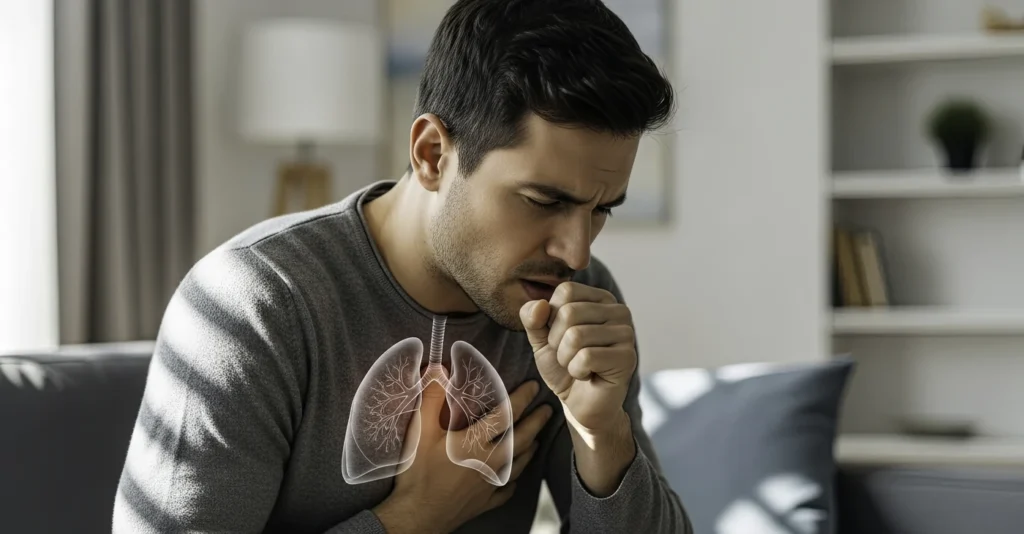
Pneumonia is a lung infection that causes inflammation in the air sacs of one or both lungs. These air sacs may fill with fluid or pus, making it difficult to breathe and reducing oxygen intake. While fever is one of the most well-known symptoms of pneumonia, many people are surprised to learn that pneumonia can sometimes occur without a fever at all.
This can make the condition harder to recognize, delaying treatment and increasing the risk of complications. Understanding the symptoms, causes, and warning signs is essential, especially when deciding whether to visit urgent care for infection or an emergency room such as STAT Specialty Hospital.
What Is Pneumonia?
Pneumonia is an infection that inflames the air sacs (alveoli) in the lungs. These air sacs may fill with fluid or pus, leading to coughing, difficulty breathing, and chest discomfort. Pneumonia can range from mild to life-threatening, depending on the cause and the patient’s overall health.
Can You Have Pneumonia Without a Fever?
Yes, it is absolutely possible to have pneumonia without a fever. While fever is common, it is not always present, especially in certain groups of people.
According to medical sources, pneumonia without fever is more common than many people realize, particularly in older adults, people with weakened immune systems, or those with chronic illnesses. Instead of fever, patients may experience other symptoms that are more subtle but still serious.
What Is Pneumonia Without a Fever Like?
When pneumonia occurs without fever, symptoms may be less obvious, which can delay diagnosis. Because there is no fever, people may mistake it for a mild cold or respiratory infection. Common signs include:
- Persistent cough (dry or with mucus)
- Shortness of breath
- Fatigue or weakness
- Chest discomfort or tightness
- Confusion (especially in older adults)
- Loss of appetite
Does Pneumonia Always Cause a Fever?
No, pneumonia does not always cause a fever. While fever is a common immune response to infection, some individuals do not develop it. In these cases, pneumonia may progress quietly, making early detection more difficult.
This is especially true in:
- Elderly adults
- People with weakened immune systems
- Patients with chronic diseases
- Individuals taking certain medications that suppress immune response
Because symptoms can vary widely, it’s important not to rely on fever alone when assessing severity. If symptoms worsen or high fever does develop along with breathing difficulty, seeking urgent care for high fever is recommended for timely evaluation and treatment.
How Do You Get Pneumonia?
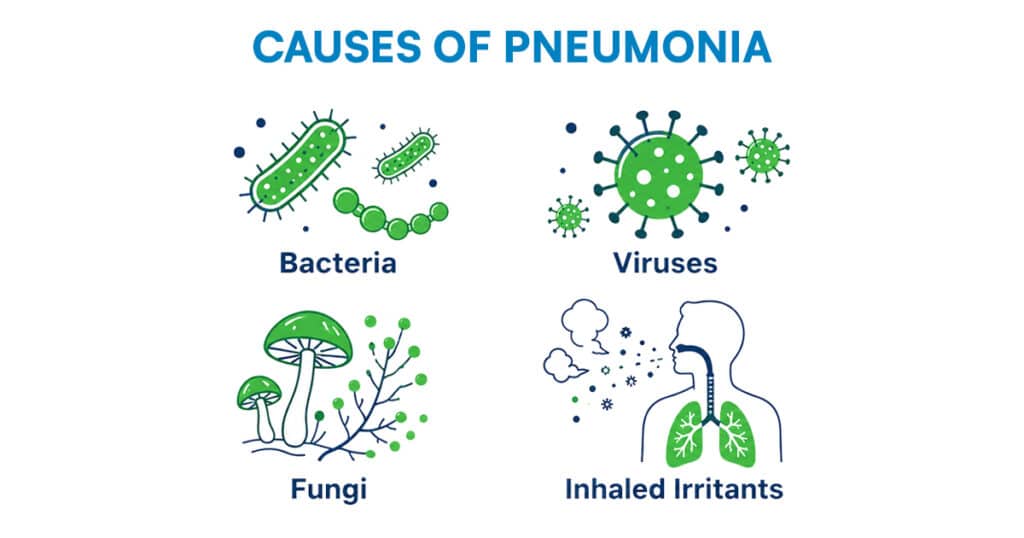
Pneumonia develops when bacteria, viruses, or other infectious agents enter the lungs and cause inflammation in the air sacs. This infection can spread in different ways depending on the environment, the type of germ involved, and a person’s overall health condition. In some cases, it may start as a mild respiratory illness and gradually progress into a more serious lung infection if not treated properly.
- Inhaling airborne bacteria or viruses
- Aspiration (inhaling food, liquids, or vomit into the lungs)
- Contact with infected surfaces or droplets
- Complications from other respiratory illnesses like flu or COVID-19
Warning Signs You Should Not Ignore
Even without a fever, pneumonia can become serious quickly. Symptoms may indicate that the infection is affecting oxygen levels in the body. You should seek medical attention if you experience:
- Difficulty breathing or shortness of breath
- Chest pain that worsens when breathing
- Persistent cough lasting more than a few days
- Extreme fatigue or weakness
- Confusion or disorientation
- Bluish lips or fingertips
When to Go to Urgent Care or the ER?
Mild respiratory infections can sometimes be treated at urgent care for infection, but pneumonia can escalate quickly.
You should go to the emergency room immediately if:
- Breathing becomes difficult
- You feel faint or confused
- Chest pain is severe
- Oxygen levels drop
- Symptoms worsen rapidly
In more serious cases, visiting an emergency room Laredo like STAT Specialty Hospital ensures immediate evaluation, imaging tests, and oxygen support if needed.
How Is Pneumonia Diagnosed?
Early diagnosis is important to prevent complications such as respiratory failure. Doctors use several methods to diagnose pneumonia, including:
- Chest X-rays to check lung infection
- Blood tests to detect infection
- Oxygen level monitoring
- Sputum tests (mucus analysis)
- Physical examination using a stethoscope
How Is Pneumonia Treated?
Prompt treatment significantly improves recovery outcomes. Treatment depends on the cause and severity of infection:
Bacterial pneumonia:
- Antibiotics
- Rest and fluids
- Oxygen therapy in severe cases
Viral pneumonia:
- Antiviral medications (in some cases)
- Supportive care (hydration, rest, fever management if present)
Severe cases:
- Hospitalization
- IV antibiotics or fluids
- Oxygen or ventilator support
How Long Does Pneumonia Last?
Fatigue may last even after other symptoms improve. Recovery time varies depending on severity:
- Mild cases: 1–2 weeks
- Moderate cases: 2–4 weeks
- Severe cases: several weeks to months
Can Pneumonia Be Dangerous Without a Fever?
Yes. Pneumonia without a fever can actually be more dangerous because it is harder to detect early. Without obvious warning signs like fever, people may delay treatment until the infection worsens. This is why monitoring symptoms like breathing difficulty and fatigue is critical.
Seek Care Before Pneumonia Gets Worse
So, can you have pneumonia without a fever? Yes, and it is more common than many people think. Pneumonia does not always present with classic symptoms, especially in older adults or individuals with weakened immune systems, which can make the condition harder to recognize in its early stages.
If you experience a persistent cough, shortness of breath, chest discomfort, unusual fatigue, or breathing difficulties, it is important not to ignore these warning signs even if no fever is present. Delaying treatment can increase the risk of serious complications, including worsening lung infection and reduced oxygen levels. Early diagnosis and timely treatment can make a major difference in recovery. When symptoms become severe or breathing becomes difficult, seeking immediate medical attention at an emergency facility like STAT Specialty Hospital can help ensure fast evaluation, proper treatment, and better recovery outcomes.
Key Takeaways
- Pneumonia can occur without a fever, especially in older adults and people with weakened immune systems.
- Common symptoms without fever may include cough, shortness of breath, fatigue, chest discomfort, and weakness.
- Pneumonia can develop from bacteria, viruses, or complications from illnesses like flu or COVID-19.
- Difficulty breathing, confusion, chest pain, or low oxygen levels are warning signs that require immediate medical attention.
- Early diagnosis and proper treatment are important to prevent serious complications and support faster recovery.