
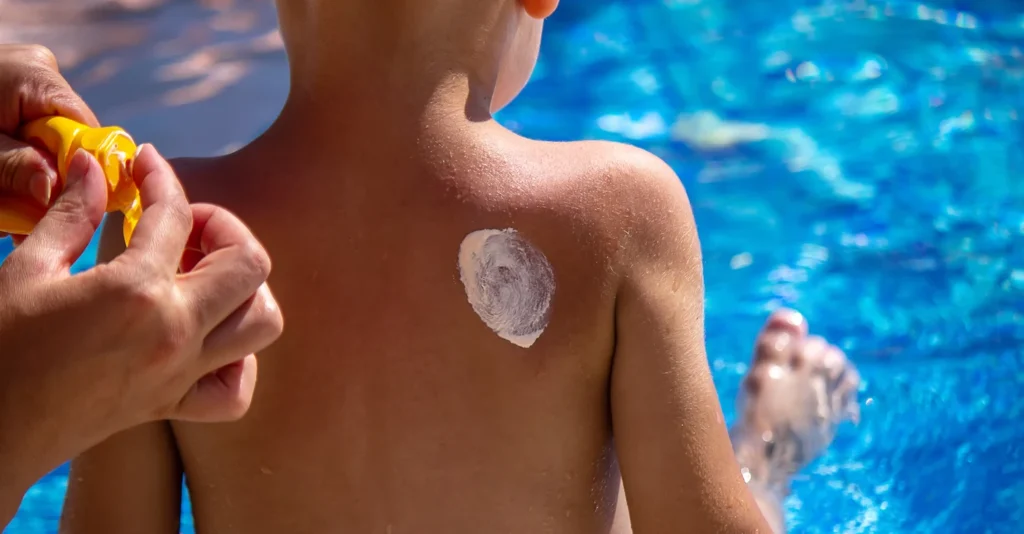
Spending time under the summer sun can feel refreshing, but it can also take a toll on your body faster than you might expect. If you have ever felt drained, lightheaded, or unusually tired after being outside, you are not alone. Heat and sun exposure affect everyone differently, and even short periods outdoors can sometimes lead to dehydration or discomfort without clear warning signs.
Sun protection is more than comfort; it helps prevent serious heat-related emergencies. Heat exhaustion, sunburn, and heatstroke can develop quickly and may require urgent care. If symptoms worsen, seek immediate help at our emergency room Laredo, TX, Laredo emergency room, Del Rio emergency room, and emergency room in Eagle Pass.
Importance of Sun Protection in Summer
Summer increases outdoor exposure, leading to higher risks of dehydration, UV damage, and heat-related illness. Without proper protection, the body can struggle to regulate temperature, especially in extreme heat conditions.
An NIH-backed study found that 37.1% of U.S. adults experienced at least one sunburn within a year, showing that harmful sun exposure is still very common. These findings highlight the importance of consistent sun protection to help reduce health risks and prevent long-term skin damage.
Health Risks of Excess Sun Exposure
- Sunburn leading to skin irritation, redness, and long-term damage.
- Dehydration caused by excessive sweating and fluid loss.
- Heat exhaustion resulting in weakness, dizziness, nausea, and heavy sweating.
- Heatstroke, a medical emergency with possible organ failure.
- Increased risk of skin cancer due to repeated UV exposure.
Who Is Most at Risk During Summer
- Infants and young children with sensitive skin and poor heat regulation.
- Older adults with reduced ability to control body temperature.
- Outdoor workers exposed to prolonged direct sunlight.
- People with heart, lung, or chronic medical conditions.
- Individuals who do not hydrate or protect themselves from UV exposure.
How to Protect Your Skin from the Sun
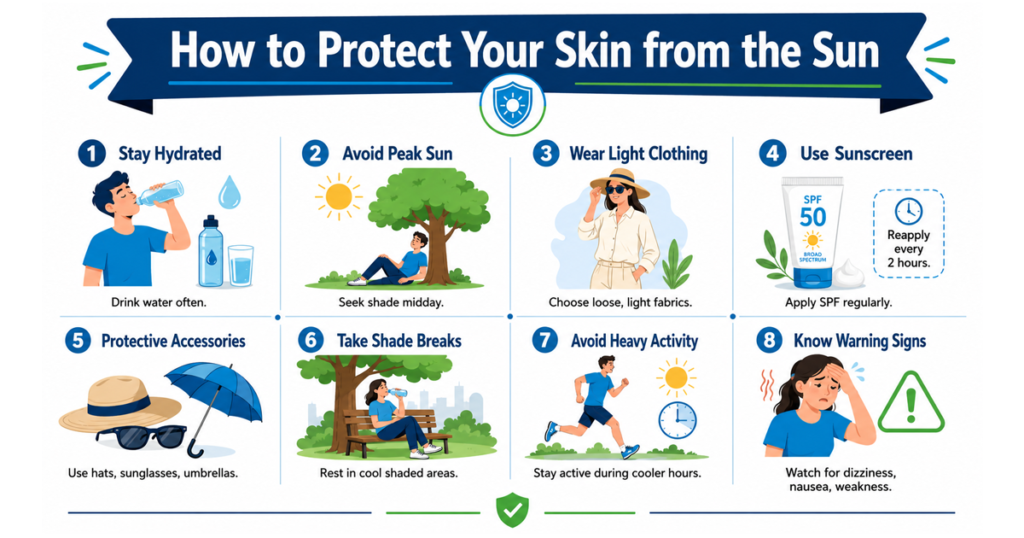
Protecting your skin daily reduces both immediate sunburn risk and long-term health damage. UV exposure can harm the skin even on cloudy days or during short outdoor activities. Consistent protection helps prevent both acute and chronic complications.
1. Use Sunscreen Daily
Sunscreen acts as a protective barrier between your skin and harmful UV rays. It helps prevent sunburn, dark spots, and long-term skin damage even during short outdoor exposure. Dermatologists recommend applying a broad-spectrum sunscreen for effective protection throughout the day.
How Often Should You Reapply Sunscreen?
Apply sunscreen again every 2 hours, or sooner if you’ve been in water or sweating heavily. This prevents loss of sun protection during outdoor activity.
2. Wear Protective Clothing
Clothing provides a physical shield that blocks direct sunlight from reaching your skin. Lightweight, long-sleeved fabrics can help reduce UV exposure while keeping you comfortable in hot weather. Darker and tightly woven materials offer better protection than thin, loose fabrics. Wearing the right clothing can significantly lower the risk of sunburn.
3. Avoid Peak Sun Hours
The sun’s rays are strongest during midday hours, usually between late morning and afternoon. During this time, UV radiation can cause faster and more severe skin damage. Limiting outdoor activity during peak hours helps reduce direct exposure. Planning outdoor tasks earlier or later in the day is a safer choice.
4. Stay in the Shade
Seeking shade is one of the simplest ways to reduce direct UV exposure. Trees, umbrellas, and covered areas help protect your skin when outdoors. Even partial shade can significantly lower the intensity of sunlight reaching your body. Making shade a regular habit reduces cumulative sun damage over time.
5. Wear Sunglasses with UV Protection
Your eyes are also vulnerable to harmful UV rays, not just your skin. UV-protective sunglasses help prevent eye strain, irritation, and long-term vision issues. They also protect the delicate skin around your eyes from sun damage. Choosing certified UV-blocking lenses ensures proper safety outdoors.
6. Stay Hydrated
Hydration supports your body’s ability to regulate temperature under hot sun exposure. When you are dehydrated, your skin becomes more sensitive and prone to damage. Drinking enough water helps maintain overall skin health and resilience. Consistent hydration is especially important during prolonged outdoor activity.
7. Use a Hat or Cap
A wide-brim hat or cap provides direct protection for your face, neck, and ears. These areas are highly sensitive and often exposed to sunlight the most. Wearing head protection helps reduce the risk of sunburn and heat stress. It is a simple but highly effective sun safety measure.
8. Check UV Index Daily
The UV index helps you understand how strong the sun’s rays will be each day. Higher values indicate a greater risk of skin damage in a shorter time. Checking it daily allows you to plan outdoor activities more safely. It is a useful habit for preventing unexpected sun exposure risks.
9. Avoid Tanning Beds
Tanning beds expose your skin to concentrated UV radiation that can be harmful. Regular use increases the risk of premature aging and skin cancer. Many people underestimate the long-term damage caused by artificial tanning. Choosing natural skin tone over artificial tanning is a safer health decision.
Heat Stroke vs Heat Exhaustion: What’s the Difference?
Heat Exhaustion
- Occurs after prolonged exposure to high temperatures, especially with dehydration.
- Symptoms include heavy sweating, weakness, dizziness, nausea, and headache.
- Body temperature is usually elevated but not extremely high.
- Skin may feel cool, pale, or clammy despite the heat.
- Condition improves with rest, cooling, and hydration if treated early.
Heat Stroke
- A severe and life-threatening condition requiring immediate emergency care.
- Body temperature rises to 104°F (40°C) or higher.
- Skin may become hot, red, and dry due to loss of sweating ability.
- Symptoms include confusion, fainting, rapid pulse, and possible loss of consciousness.
- Can cause organ damage or death if not treated urgently.
When to Go to the ER
Heat-related illnesses can escalate quickly, and knowing when to seek emergency care can make a critical difference. If symptoms become severe or do not improve with basic cooling and hydration, immediate medical attention is necessary. Prompt treatment helps prevent serious complications and ensures proper recovery.
- Body temperature above 104°F (40°C).
- Confusion or altered mental state.
- Fainting or unconsciousness.
- Severe dehydration or no urination.
- Rapid heartbeat or breathing difficulty.
- Persistent vomiting.
- Hot, dry skin with no sweating.
- Seizures or collapse.
- Worsening dizziness or headache.
- Symptoms not improving after cooling.
If you or a loved one is experiencing these symptoms, seek emergency care immediately at our emergency room Laredo, TX, Laredo emergency room, Del Rio emergency room, and emergency room in Eagle Pass.
Sun Protection & Heat Safety | STAT Specialty Hospital
Summer sun safety is essential for preventing dehydration, sunburn, and serious heat-related conditions such as heat exhaustion and heatstroke. High temperatures can quickly place stress on the body, especially in children, older adults, and individuals who work outdoors. Taking simple preventive steps can greatly reduce the risk of heat-related illness and help maintain overall well-being during extreme heat.
If symptoms like dizziness, weakness, confusion, or fatigue occur, they should not be ignored. Severe cases require immediate medical attention. STAT Specialty Hospital provides fast emergency care for heat-related conditions when urgent treatment is needed.
Key Takeaways
- Heat-related illness can develop quickly in extreme temperatures.
- Sunburn affects a large percentage of adults annually.
- Heatstroke is a medical emergency requiring immediate care.
- Hydration and sun protection reduce most risks significantly.
- Children and elderly individuals are the highest risk groups.
- UV exposure causes both short-term and long-term damage.
- Early symptoms like dizziness should never be ignored.
- Prevention is more effective than treatment in heat illness.
- ER care is essential for severe or worsening symptoms.
- Daily sun safety habits protect overall health.
Frequently Asked Questions
What is heat exhaustion?
Heat exhaustion is a heat illness caused by overheating and dehydration. It leads to sweating, dizziness, weakness, and nausea. If untreated, it can turn into heatstroke.
How long does heat exhaustion last?
It usually lasts 24 to 48 hours with rest and fluids. Recovery depends on how quickly cooling starts. Severe cases may need medical care.
How to treat sunburn?
Get out of the sun and cool the skin with water or compresses. Use aloe vera or moisturizer to soothe irritation. Drink fluids and avoid further exposure.
How long does heatstroke last?
Heatstroke is a medical emergency. Recovery may take days to weeks, depending on severity. Immediate hospital treatment is required.
How to prevent heat stroke?
Stay in the shade, avoid peak sun hours, wear lightweight clothing, and drink plenty of water to keep your body cool.
How to prevent heat exhaustion?
Take regular breaks in cool areas, stay hydrated, avoid heavy outdoor activity in extreme heat, and wear breathable clothing.
How long does sunburn last?
Mild sunburn lasts about 3–5 days. Moderate to severe burns can take over a week to heal, depending on skin damage.
Does sunscreen expire?
Yes, sunscreen usually expires in 2–3 years. After that, it loses effectiveness and may not properly protect your skin from UV rays.