
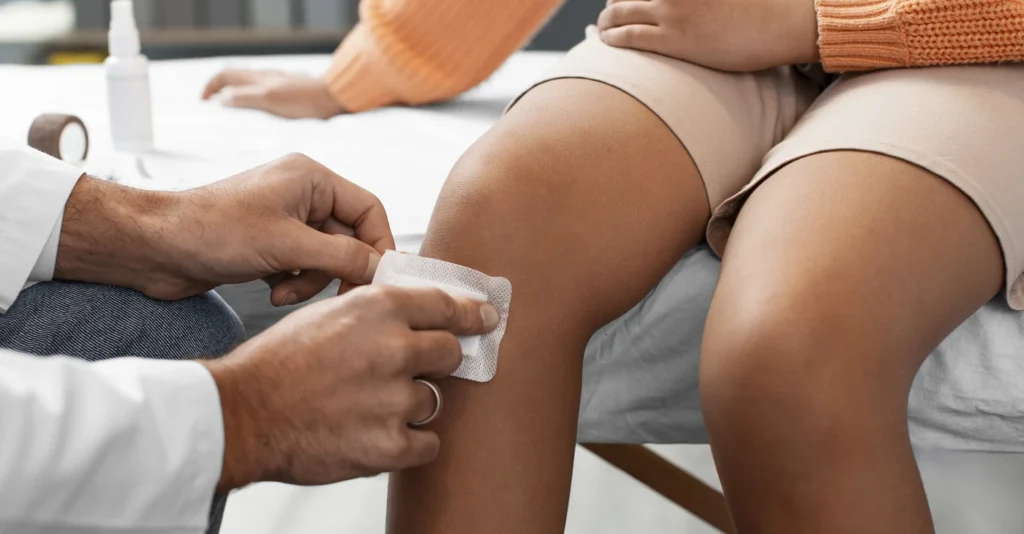
Fluid on the knee develops when excess liquid builds up in or around the knee joint, leading to swelling and discomfort. This condition, commonly called water on the knee, may occur because of injuries, arthritis, infections, gout, or repetitive strain on the joint. Depending on the underlying problem, patients may notice pain, stiffness, swelling, and difficulty walking or bending the knee.
In ongoing or worsening cases, seeking emergency room Laredo can help ensure proper diagnosis, pain relief, and timely care to prevent further joint complications.
What Causes Fluid on the Knee?
Excess fluid in the knee may result from injury, inflammation, infection, or medical conditions affecting the joint. The severity of symptoms often depends on the amount of fluid and the condition responsible for the swelling. In sudden or severe cases, getting evaluated at the knee pain treatment can help ensure quick diagnosis and timely treatment to prevent complications and protect joint health.
Knee Injuries
Sports injuries, car accidents, falls, or sudden impacts can damage tissues inside the knee and trigger fluid buildup. Torn ligaments, cartilage injuries, and fractures commonly lead to inflammation and swelling. Patients may also experience bruising, instability, and difficulty moving the leg comfortably. Serious injuries can interfere with balance and normal walking ability.
Arthritis
Arthritis is a common cause of knee swelling and excess fluid production. Osteoarthritis and rheumatoid arthritis may irritate the joint lining and increase inflammation gradually. Symptoms often include aching pain, stiffness, swelling, and reduced flexibility. Joint discomfort may worsen after physical activity or prolonged standing.
Knee Joint Infection
An infection inside the knee joint can cause severe inflammation and dangerous fluid accumulation. Symptoms may include warmth, redness, fever, severe pain, and difficulty moving the knee. Immediate medical attention is necessary to help prevent permanent joint damage. Delayed treatment may increase the risk of serious complications.
Repetitive Stress
Repeated movements, prolonged kneeling, or heavy physical activity may place stress on the knee joint and surrounding tissues. Over time, irritation and inflammation can lead to fluid buildup. Athletes and people with physically demanding jobs are more likely to develop this condition. Rest and proper recovery are important to avoid worsening symptoms.
Gout
Gout occurs when uric acid crystals collect in the knee joint and trigger sudden inflammation. Patients may experience rapid swelling, severe pain, warmth, and redness during flare-ups. Walking or bending the knee may become extremely uncomfortable. Repeated gout attacks can eventually damage the joint.
Symptoms of Fluid on the Knee That May Need Medical Attention
Symptoms vary depending on the cause of the swelling and the amount of fluid inside the knee joint. Early medical care may help prevent worsening complications.
- Swelling Around the Knee: Excess fluid can cause the knee joint to appear visibly larger than normal. This swelling may develop gradually or suddenly and often feels tight or heavy around the joint area.
- Pain and Pressure: Inflammation inside the knee may create aching pain, soreness, or a feeling of pressure. This discomfort often worsens with movement, standing, or bending the knee.
- Stiffness: Fluid buildup may limit normal joint movement, making it hard to fully bend or straighten the knee. This stiffness can affect daily activities like walking, sitting, or climbing stairs.
- Warmth and Redness: In some cases, the affected knee may feel warm to the touch and appear red due to inflammation. These signs may indicate irritation or, in more serious cases, infection.
- Difficulty Walking: As swelling and pain increase, balance and stability may be affected. This can make walking uncomfortable, slow, or in some cases, difficult without support.
If these symptoms become severe or persistent, seeking prompt medical evaluation at an ER near me can help ensure a quick diagnosis and appropriate treatment.
Is Fluid on the Knee Dangerous?
Fluid on the knee may become dangerous when linked to severe injury, infection, or chronic joint disease. Mild swelling caused by temporary overuse may improve with rest and home care, but persistent or severe symptoms should not be ignored. Excess pressure inside the joint may damage cartilage and contribute to long-term pain and reduced mobility. Sudden swelling combined with fever, redness, or inability to walk may require immediate medical treatment.
How Doctors Diagnose Fluid on the Knee
Doctors use physical exams and diagnostic tests to determine the underlying cause of knee swelling accurately.
- Physical Examination: Doctors carefully examine the knee for signs of inflammation, swelling, tenderness, and warmth. They may also test the range of motion to see how much the swelling is limiting movement.
- Medical History Review: Patients are asked about symptoms, recent accidents, sports injuries, or previous joint problems. Medical history helps doctors narrow down possible causes and understand the patient’s overall joint health.
- Imaging Tests: X-rays, MRIs, and ultrasounds are commonly used to identify damage inside the knee. These tests can detect fluid buildup, cartilage injuries, ligament tears, and arthritis-related changes.
- Joint Fluid Analysis: Fluid removed from the knee joint may be tested to check for infection, blood, or crystal deposits. This procedure also helps doctors identify conditions such as gout or bacterial infections.
- Severity Evaluation: After reviewing all findings, doctors classify the condition based on how severe the swelling and joint damage appear. This evaluation helps determine whether simple treatment or advanced care is needed.
Treatment Options for Fluid on the Knee
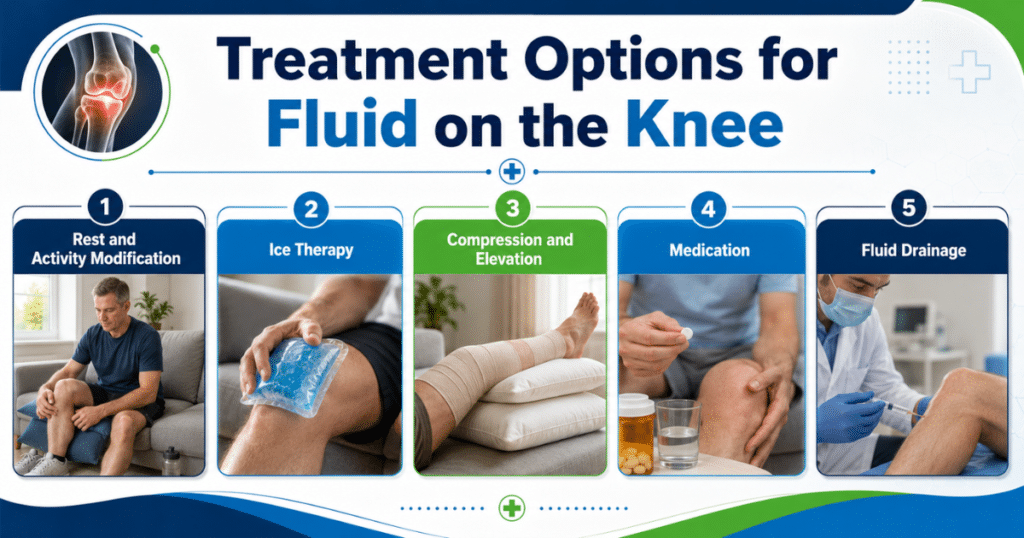
Treatment depends on the cause of swelling and the severity of the condition. Early care may reduce discomfort and help restore movement.
Rest and Activity Modification
Reducing physical activity may help the knee recover from inflammation or injury more effectively. Resting the joint lowers pressure on the surrounding tissues and may help prevent worsening pain or swelling. Doctors often recommend avoiding strenuous exercise during the healing process. Gentle movement may gradually resume once symptoms improve.
Ice Therapy
Applying ice to the knee may help reduce swelling and relieve discomfort during recovery. Cold therapy works by decreasing blood flow to the inflamed area and reducing irritation. Ice packs are commonly applied for short periods several times throughout the day. Consistent use may improve comfort and help support healing.
Compression and Elevation
Compression bandages or braces may help stabilize the knee and limit swelling around the joint. Elevating the leg can improve circulation and encourage fluid drainage away from the affected area. These methods are often recommended together for better recovery results. Proper support may also make walking and movement more comfortable.
Medication
Anti-inflammatory medications and pain relievers are commonly used to manage knee swelling and discomfort. Mild symptoms may improve with nonprescription medications, while severe inflammation may require stronger treatment. Infections inside the knee may need antibiotics to prevent complications. Medication may help reduce irritation and improve joint function.
Fluid Drainage
Aspiration is a procedure used to remove excess fluid from the knee joint. Doctors insert a needle carefully into the swollen area to relieve pressure and discomfort. Many patients experience improved mobility after the fluid is drained. Testing the fluid may also help identify infection, gout, or internal bleeding.
If knee swelling becomes severe, painful, or limits mobility, prompt medical evaluation is important. Patients concerned about ER wait times may benefit from visiting STAT Specialty Hospital, where current wait times may be as low as 5 minutes, allowing for faster diagnosis and treatment when immediate care is needed.
How Long Does Fluid on the Knee Last?
Recovery time depends on the underlying condition and how quickly treatment begins. Mild swelling from overuse may improve within several days to 1 week with conservative care. Moderate injuries or inflammation may take a few weeks to a month to heal. Severe arthritis, infections, or major knee injuries may require months of treatment and rehabilitation.
Preventing Fluid on the Knee
Preventive measures may help reduce stress on the knee joint and lower the risk of swelling.
- Keep a Healthy Weight: Extra weight increases pressure on the knees and may contribute to joint inflammation. Maintaining a healthy body weight may reduce strain during movement.
- Warm Up Before Activity: Stretching and warming up before exercise may help prepare muscles and joints for movement. Flexible muscles may reduce the risk of injury and swelling.
- Use Correct Body Mechanics: Proper lifting and exercise techniques help prevent unnecessary stress on the knee joint. Incorrect movements may lead to inflammation over time.
- Choose Supportive Footwear: Proper shoes provide balance, cushioning, and support during walking or exercise. Supportive footwear may help reduce pressure on the knees.
- Avoid Excessive Activity: Overtraining and repetitive movement may gradually irritate knee tissues. Taking rest breaks may help prevent inflammation and joint stress.
When to Seek Medical Care
Professional medical evaluation may be necessary if symptoms become severe or persistent.
- Severe Joint Swelling: Excessive swelling may indicate serious injury or inflammation inside the knee. Doctors may recommend imaging tests to identify the cause.
- Difficulty Standing or Walking: Problems with walking or bearing weight may suggest significant joint damage. Professional evaluation may help prevent worsening symptoms.
- Redness and Fever: Swelling with redness, warmth, or fever may indicate infection inside the joint. Prompt treatment is often necessary in these situations.
- Persistent Discomfort: Ongoing pain that continues for days or weeks should be examined medically. Chronic pain may be linked to arthritis or tissue damage.
- Loss of Knee Flexibility: Reduced movement in the knee may result from swelling or structural injuries. Medical treatment may improve mobility and comfort.
Treatment for Fluid on the Knee at STAT Specialty Hospital
STAT Specialty Hospital offers emergency evaluation and treatment for patients experiencing severe knee swelling or pain. Advanced imaging services help identify fractures, inflammation, and joint injuries quickly. Treatment may include pain management, fluid drainage, stabilization, and infection testing. Prompt care may help reduce complications and support faster recovery outcomes.
Key Takeaways
- Fluid on the knee occurs when excess liquid accumulates around the joint.
- Injuries, arthritis, infections, gout, and repetitive stress are common causes.
- Symptoms may include swelling, pain, stiffness, redness, and mobility problems.
- Severe swelling or infection may become dangerous without treatment.
- Doctors may use imaging tests and fluid analysis for diagnosis.
- Treatment options include rest, ice, medications, compression, and aspiration.
- Recovery time depends on the severity and underlying cause.
- Persistent swelling or walking difficulty requires medical attention.