

Dehydration is a condition that occurs when the body loses more fluids than it takes in, preventing it from functioning normally. Water is essential for regulating body temperature, maintaining blood pressure, supporting digestion, and keeping organs working properly. When dehydration becomes severe, it can affect multiple systems in the body and even mimic or contribute to symptoms like fever.
Understanding the link between dehydration and fever is important, especially for children, elderly individuals, and people exposed to hot environments. In some cases, symptoms may become serious enough to require urgent care at an emergency facility such as an emergency room for pediatrics or a 24/7 center like STAT Specialty Hospital.
What Is Dehydration?
Dehydration occurs when your body loses more fluids than it replaces. Since water makes up a large portion of the human body, even mild dehydration can disrupt normal functions. Common causes include:
- Not drinking enough water
- Excessive sweating (heat, exercise)
- Vomiting or diarrhea
- Fever
- Certain medications
Can Dehydration Cause Fever?
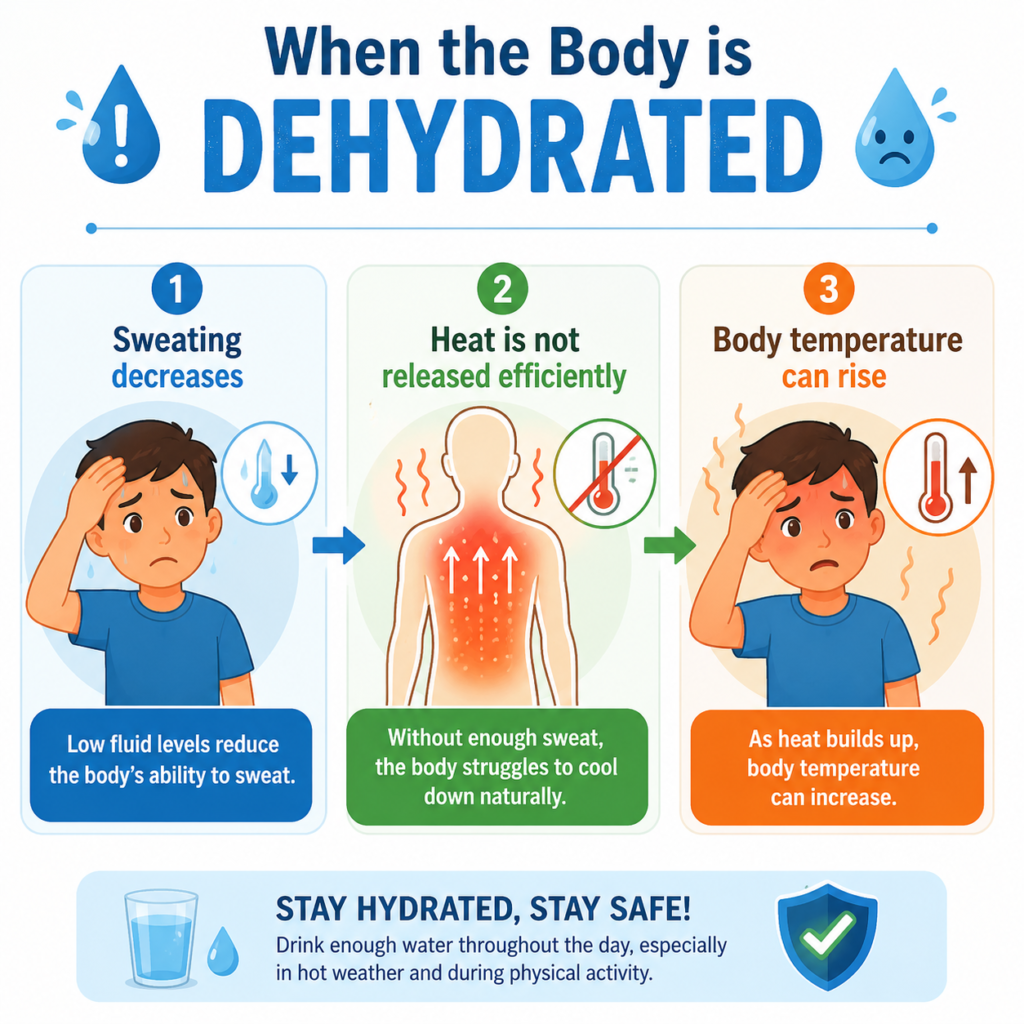
Dehydration itself does not directly cause an infection-based fever, but it can lead to an increase in body temperature. This happens because water plays a critical role in regulating heat through sweating and healthy blood circulation. When the body lacks enough fluids, it becomes harder to cool down efficiently, especially during hot weather, illness, or physical activity.
This can sometimes create a low-grade fever-like condition, particularly in children, older adults, and individuals exposed to extreme heat. In some cases, dehydration may also worsen existing illnesses or infections, making fever symptoms more noticeable and recovery more difficult. Severe dehydration combined with elevated body temperature may require evaluation at an ER for dehydration, especially if symptoms become intense or persistent.
How to Know If You’re Dehydrated
Severe dehydration may also cause confusion, fainting, and rapid breathing. Recognizing dehydration early is important to prevent complications. Common symptoms include:
- Extreme thirst
- Dry mouth and lips
- Dark yellow urine
- Fatigue or weakness
- Headache
- Dizziness or lightheadedness
- Reduced urination
Causes of Dehydration
Dehydration can develop for many different reasons, and in some cases, fluid loss can happen faster than people realize. Everyday habits, illnesses, environmental conditions, and certain medications can all reduce the body’s fluid levels and interfere with normal hydration. Understanding these causes can help prevent complications and support better overall health. In severe situations where dehydration leads to dizziness, confusion, or overheating, seeking prompt treatment at a Laredo emergency room may be necessary.
1. Not Drinking Enough Water
One of the most common causes of dehydration is simply not consuming enough fluids throughout the day. Busy schedules, travel, fasting, or limited access to clean drinking water can gradually reduce hydration levels. Some people may also ignore thirst signals, especially older adults, increasing the risk of chronic dehydration.
2. Illness
Illnesses that cause vomiting, diarrhea, or fever can rapidly drain fluids and electrolytes from the body. Even short-term stomach infections can lead to moderate or severe dehydration if fluids are not replaced quickly. Respiratory illnesses and infections may also increase fluid loss due to sweating and reduced appetite.
3. Hot Weather
High temperatures and humid conditions increase sweating, which is the body’s natural cooling mechanism. Without proper fluid replacement, excessive sweating can quickly lead to dehydration and heat-related illnesses. People who work outdoors or spend long hours in the sun are especially at risk.
4. Exercise
Physical activity causes the body to lose water through sweat, particularly during intense workouts or sports. Exercising without drinking enough fluids before, during, and after activity can result in rapid dehydration, muscle cramps, fatigue, and overheating.
5. Medications
Certain medications can increase fluid loss or reduce the body’s ability to retain water. Diuretics, commonly used for high blood pressure, are a major example. Some medications may also cause side effects like increased urination, sweating, vomiting, or diarrhea, all of which can contribute to dehydration.
How to Treat Dehydration
Mild Dehydration:
- Drink water frequently
- Consume electrolyte drinks
- Eat water-rich foods (fruits, soups)
Moderate Dehydration:
- Oral rehydration solutions (ORS)
- Rest and fluid intake in small, frequent amounts
Severe Dehydration:
- Intravenous (IV) fluids in a medical setting
- Close monitoring of vital signs
- Treatment of underlying causes
Dehydration in Children and When to Worry
Children are especially vulnerable to dehydration because their bodies lose fluids faster. In such cases, visiting an emergency room for pediatrics is strongly recommended. Parents should watch for:
- Dry diapers (no urination for hours)
- Crying without tears
- Sunken eyes
- Lethargy or irritability
When to Go to the ER?
Dehydration can become dangerous quickly if not treated. Facilities like STAT Specialty Hospital provide 24/7 emergency treatment for dehydration and related conditions. You should go to the emergency room if you experience:
- Confusion or fainting
- Very high fever with dehydration symptoms
- No urination for 8+ hours
- Rapid heartbeat or breathing
- Severe vomiting or diarrhea
- Inability to keep fluids down
Emergency Room for Dehydration
Severe dehydration can become a medical emergency when the body loses too many fluids and electrolytes to function properly. When dehydration reaches this stage, symptoms such as confusion, fainting, rapid heartbeat, low blood pressure, difficulty breathing, or extremely high body temperature may occur. Immediate medical treatment is important to restore fluid balance, stabilize the body, and prevent serious complications such as organ damage or heat-related illness.
In emergency cases, doctors focus on:
- Rapid fluid replacement (IV fluids)
- Monitoring electrolytes
- Treating underlying illness (infection, heat stroke, etc.)
- Stabilizing body temperature
- Preventing complications
How to Prevent Dehydration?
Staying ahead of dehydration helps maintain normal body temperature and prevents complications like heat illness. Preventing dehydration is simple but important:
- Drink water regularly throughout the day
- Increase fluid intake in hot weather
- Replace fluids after exercise
- Eat hydrating foods like fruits and vegetables
- Avoid excessive caffeine and alcohol
Key Takeaways
- Dehydration can raise body temperature and create fever-like symptoms, especially during heat exposure or severe fluid loss.
- Common signs of dehydration include thirst, dark urine, dizziness, fatigue, dry mouth, and reduced urination.
- Illness, hot weather, exercise, and certain medications are among the most common causes of dehydration.
- Severe dehydration can become a medical emergency and may require IV fluids and emergency treatment.
- Staying hydrated throughout the day is one of the best ways to prevent dehydration and heat-related complications.
Frequently Asked Questions
Can you have a low-grade fever with dehydration?
Yes, dehydration can sometimes cause a low-grade fever or elevated body temperature. This happens when the body does not have enough fluids to cool itself properly through sweating and circulation.
What to feed kids with fever dehydration?
Children with fever and dehydration should be given plenty of fluids, oral rehydration solutions, water-rich fruits, soups, and light meals. Avoid sugary or heavily processed foods that may worsen dehydration.
Is fever common with dehydration?
Fever-like symptoms can occur with dehydration, especially during hot weather, illness, or heat exhaustion. Severe dehydration may also worsen existing infections and make the fever more noticeable.