
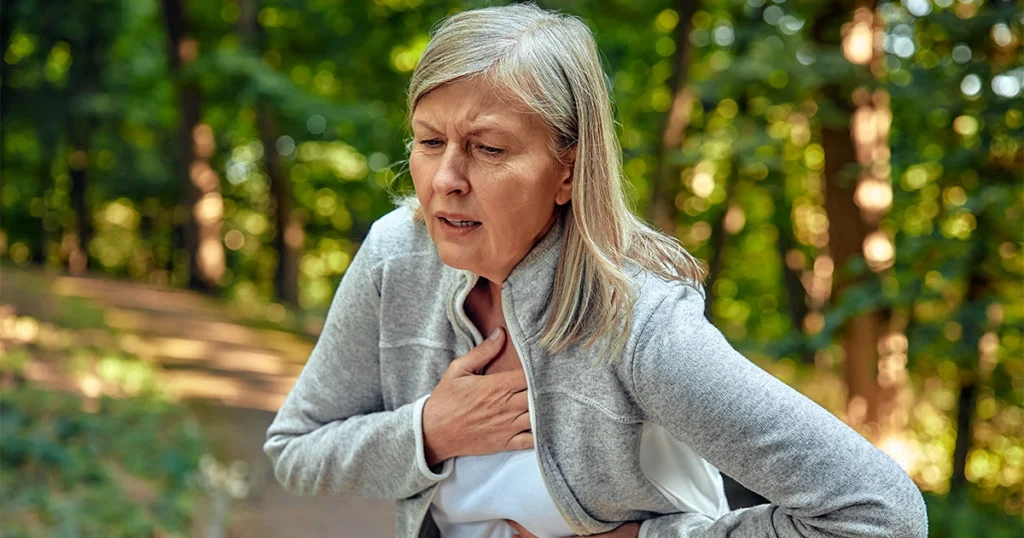
Walking pneumonia is a milder form of lung infection that affects the airways and lung tissue but often doesn’t force people to stay in bed or take time off work. Medically, it’s most often caused by the bacterium Mycoplasma pneumoniae and is sometimes called “atypical pneumonia.” Although walking pneumonia usually produces milder symptoms than typical pneumonia, it still requires medical attention because complications can occur if left untreated.
Many people with walking pneumonia continue their daily activities before noticing symptoms, which is how the condition earned its name. Understanding what is walking pneumonia and recognizing its subtle or persistent symptoms can help speed recovery and avoid complications. If symptoms are significant or worsening, visiting our Del Rio emergency room or another urgent care provider for a proper evaluation is important.
What Does Walking Pneumonia Feel Like
Walking pneumonia often begins like a prolonged cold or mild flu and tends to develop gradually over several days to weeks rather than suddenly. Common sensations include a persistent cough, slight fever, sore throat, headache, and fatigue that doesn’t significantly disrupt daily activities.
In clinical research analyzing cases of community‑acquired pneumonia, Mycoplasma pneumoniae, the most common cause of walking pneumonia, was detected in around 1.8% of adults hospitalized with pneumonia, illustrating that the infection can be present even when symptoms vary in severity.
Symptoms Of Walking Pneumonia
- Persistent, dry, or minimally productive cough.
- Low‑grade fever or chills.
- Fatigue or feeling unusually tired.
- Sore throat or hoarseness.
- Headache.
- Mild chest discomfort or pain.
- Wheezing or slight shortness of breath.
How Do You Get Walking Pneumonia
Walking pneumonia spreads when a person inhales respiratory droplets from someone who is infected. These droplets are released when a sick person coughs, sneezes, talks, or breathes near others. The infection’s incubation period is typically 1–4 weeks, which means someone may be contagious before they show symptoms.
- Airborne Droplets: Tiny droplets with infectious agents travel through the air and are breathed in by others.
- Close Contact Exposure: Being near someone infected for extended periods increases risk.
- Crowded Settings: Schools, workplaces, and dormitories facilitate easier spread of infectious droplets.
- Weakened Immune System: People with compromised immunity have a higher chance of developing an infection after exposure.
What Causes Walking Pneumonia
Walking pneumonia is most commonly triggered by infectious organisms, especially certain bacteria. Some viruses and rare fungal agents can also be involved, particularly in individuals with weakened immune systems. The following are key causes linked to walking pneumonia:
- Mycoplasma Pneumoniae: This bacterium is the most frequent cause of walking pneumonia, particularly in children and young adults. It spreads easily through respiratory droplets and usually causes mild respiratory symptoms.
- Viral Infections: Viruses such as influenza, respiratory syncytial virus (RSV), and adenovirus can contribute to mild pneumonia‑like infections. These often resemble prolonged cold symptoms and may persist longer than typical viral colds.
- Other Bacterial Organisms: Atypical bacteria like Chlamydia pneumoniae can cause walking pneumonia, especially during community outbreaks. Symptoms are mild and often nonspecific.
- Fungal Agents: Rare fungal infections may cause pneumonia in people with weakened immune defenses. Symptoms are often subtle and can go unnoticed for longer periods.
- Respiratory Tract Irritants: Smoke, pollution, and dust don’t directly cause pneumonia but can inflame the airways and increase susceptibility to infection.
- Immune System Suppression: Individuals with chronic illness, cancer, or those on immunosuppressive medications are more vulnerable. Even mild infections can persist or worsen.
- Close Community Exposure: Crowded living or working conditions enhance transmission of bacteria and viruses that lead to walking pneumonia.
- Age Factors: While anyone can develop walking pneumonia, children, young adults, and older adults with weaker immunity are at higher risk.
Also Read: How Long Does Walking Pneumonia Last?
How To Test For Walking Pneumonia
Healthcare providers confirm walking pneumonia through a combination of clinical evaluation and diagnostic tests. Since symptoms are often mild and can resemble other respiratory illnesses, testing helps distinguish walking pneumonia from other conditions.
- Physical Examination: Listening to lung sounds with a stethoscope may reveal abnormal breathing patterns.
- Chest X‑Ray: Imaging can show patchy lung infiltrates that differ from the consolidation seen in typical pneumonia.
- Blood Tests: These assess markers of infection and, in some cases, specific antibodies.
- PCR Testing: Detects bacterial DNA from throat or nasal swabs for organisms like Mycoplasma pneumoniae.
- Sputum Analysis: Though less useful for Mycoplasma, it may help rule out other causes of pneumonia.
Difference Between Pneumonia And Walking Pneumonia
| Feature | Walking Pneumonia | Pneumonia (Typical) |
| Severity | Generally mild symptoms | Often, more severe symptoms |
| Fever | Low‑grade | Higher fever common |
| Cough | Dry or slightly productive | More pronounced productive cough |
| Activity Level | People often continue daily activities | Often need rest and may require bed rest |
| Hospitalization | Rare | More common in moderate to severe cases |
| X‑Ray Findings | Patchy or diffuse | Lobar consolidation, often seen |
The main difference between pneumonia and walking pneumonia is the overall severity of symptoms and how much they interfere with daily life.
Walking Pneumonia In Kids
In children, walking pneumonia often begins like a common cold and then gradually progresses to include coughing and fatigue. Young children may not articulate symptoms clearly, so caregivers should watch for subtle signs of respiratory distress. Early recognition and appropriate care help prevent complications and support quicker recovery.
Walking Pneumonia Symptoms In Kids
- Persistent cough lasting several days to weeks.
- Fatigue or decreased activity levels.
- Low‑grade fever.
- Sore throat or runny nose.
- Wheezing or mild shortness of breath.
- Headache or general malaise.
Children who show difficulty breathing, dehydration, or significant worsening of symptoms should receive prompt pediatric care.
Walking Pneumonia Treatment
Treatment for walking pneumonia focuses on relieving symptoms and treating the underlying infection when necessary. Most people recover fully with rest and supportive care, although antibiotics are recommended when a bacterial cause is likely.
- Antibiotic Therapy: Most doctors recommend antibiotics such as azithromycin or doxycycline when Mycoplasma pneumoniae is suspected. These medications shorten symptom duration and reduce spread when started early.
- Rest And Hydration: Rest supports the immune system, while adequate fluid intake helps thin mucus and clear respiratory passages.
- Over‑The‑Counter Symptom Relief: OTC medicines like acetaminophen or ibuprofen help reduce fever, muscle aches, and discomfort while the body heals.
- Cough Suppressants: Selective use of cough medicines can improve comfort, especially at night when cough disrupts sleep.
- Humidifiers: A cool‑mist humidifier adds moisture to the air, soothing irritated airways and helping loosen mucus.
- Follow‑Up Care: Regular follow‑up with a healthcare provider ensures symptoms are resolving and helps rule out complications or alternative diagnoses.
Expert Care For Walking Pneumonia At STAT Specialty Hospital
Concerned about persistent cough, fatigue, or mild respiratory symptoms? At STAT Specialty Hospital, our expert team provides thorough evaluations and guidance to help patients manage walking pneumonia effectively. We emphasize early detection, prevention, and personalized care plans to support a smooth and safe recovery.
Many people ask, “What is walking pneumonia?” Understanding the condition, its causes, and warning signs is crucial for timely intervention. At STAT Specialty Hospital, our specialists provide individualized monitoring, treatment recommendations, and supportive outpatient care to ensure patients recover fully while minimizing complications.