
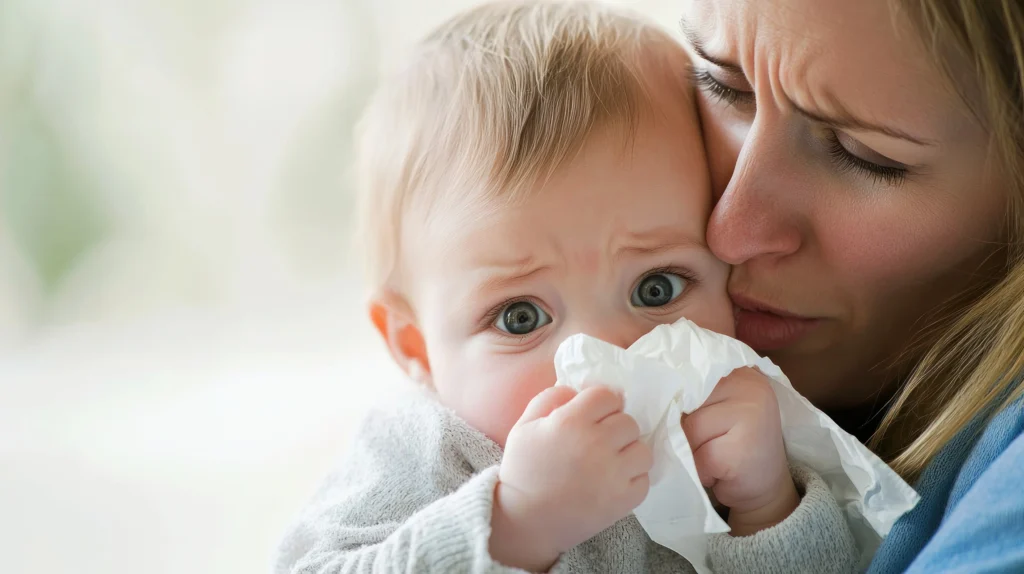
Teething itself does not directly cause a runny nose, but many parents notice nasal symptoms appearing around the same time their baby’s teeth begin to erupt. This timing overlap often creates confusion, especially when other teething-related changes, such as drooling and fussiness, are also present. Understanding what is truly related to teething can help parents respond calmly and appropriately.
Watching a baby struggle with congestion or discomfort can be worrying, particularly for first-time parents. Infants go through many developmental changes at once, and symptoms can appear suddenly. Knowing when symptoms are normal and when to seek care—such as visiting our emergency room in Del Rio, can provide reassurance and timely support.
When Do Babies Start Teething
Most babies begin teething between 4 and 7 months of age, although some may start earlier or later without any health concerns. The lower front teeth are usually the first to emerge, followed by the upper front teeth. Teething continues gradually as additional teeth erupt over time.
A study published in Pediatrics and indexed on PubMed/NIH reported that 92% of infants experienced increased drooling during teething, while symptoms like fever or illness were not consistently linked to tooth eruption.
Signs Of Teething In Babies
- Increased drooling that may lead to skin irritation or teething rash.
- Swollen, tender, or reddened gums near erupting teeth.
- Increased irritability, fussiness, or crying episodes.
- Mild teething fever that stays below 100.4°F (38°C).
- Chewing or biting on fingers, toys, or household objects.
- Teething rash on face or rash on face when teething due to constant moisture.
Also Read: Does Teething Cause Diarrhea?
Does Teething Cause Runny Nose
Teething does not medically cause a runny nose. While teething and a runny nose frequently occur at the same age, there is no direct biological link between tooth eruption and nasal mucus production. Babies are exposed to more viruses as maternal antibodies decline, which explains a runny nose while teething. Clear nasal discharge during this phase is usually coincidental rather than caused by teething itself.
Why Do People Think Teething Causes a Runny Nose?
This belief persists because teething occurs during a period of rapid immune development. Babies drool more, frequently put objects in their mouths, and encounter new germs. Excess drool can resemble nasal discharge, and mild viral infections are common at this age. When a teething runny nose appears simultaneously, it is often mistakenly blamed on teething rather than normal developmental exposure.
Is Runny Nose Caused By Something Else?
Yes, a runny nose is usually caused by factors unrelated to teething. While it may appear around the same age as tooth eruption, most nasal discharge in babies is due to common infections or environmental triggers. Understanding these causes helps parents provide proper care and know when medical attention is needed.
- Viral Infections: Common colds are the most frequent cause and may include sneezing, cough, or mild fever.
- Environmental Irritants: Dry air, smoke, dust, or strong fragrances can irritate nasal passages.
- Allergic Responses: Allergies may cause persistent clear discharge along with watery eyes or nasal rubbing.
How Long Does Teething Last
Teething is a prolonged developmental process rather than a short phase. Each tooth may cause discomfort for several days before and after eruption, but overall, teething continues from infancy until about 2 1⁄2 to 3 years of age. Symptoms such as drooling or gum sensitivity may appear intermittently as different teeth emerge. This variation is normal and expected.
How To Help Teething Baby
Helping a teething baby focuses on comfort, reassurance, and supportive care. Babies often experience disrupted sleep, irritability, and increased drooling during this phase. Gentle measures can ease discomfort and reduce secondary issues like skin irritation. Careful observation helps parents distinguish teething-related discomfort from illness.
- Teething Pain Medicine: Pediatrician-approved medications can help manage discomfort when used correctly.
- Chilled Teething Toys: Cool (not frozen) teething rings may reduce gum inflammation safely.
- Gentle Gum Pressure: Light gum massage with a clean finger can provide temporary relief.
- Skin Care Protection: Keeping the face dry helps prevent teething rash and irritation.
Treatments & Remedies For Runny Nose
Managing a runny nose during infancy focuses on symptom relief and maintaining comfort. Since runny nose, teething age symptoms are often viral or environmental, supportive care is usually sufficient. Monitoring symptoms ensures timely medical attention if conditions worsen.
- Saline Nasal Drops: Help loosen mucus and support easier breathing.
- Nasal Bulb Suction: Gently clears nasal passages, especially before feeding or sleep.
- Humidified Air: Moist air soothes nasal tissues and reduces congestion.
- Adequate Hydration: Fluids help thin mucus and support recovery.
Care For Teething Symptoms At STAT Specialty Hospital
Worried about your baby’s discomfort, drooling, or congestion? At STAT Specialty Hospital, our pediatric care team can answer questions like, “Can teething cause runny nose?” and help parents distinguish normal teething symptoms from other health concerns. With expert guidance, you can ensure your baby stays comfortable and safe during this important developmental stage.
Our team at STAT Specialty Hospital offers hands-on support, from monitoring mild fevers and teething rash to addressing nasal congestion and feeding concerns. With tailored pediatric care plans, we help parents manage symptoms safely, prevent complications, and promote overall wellness, giving both babies and parents peace of mind.