
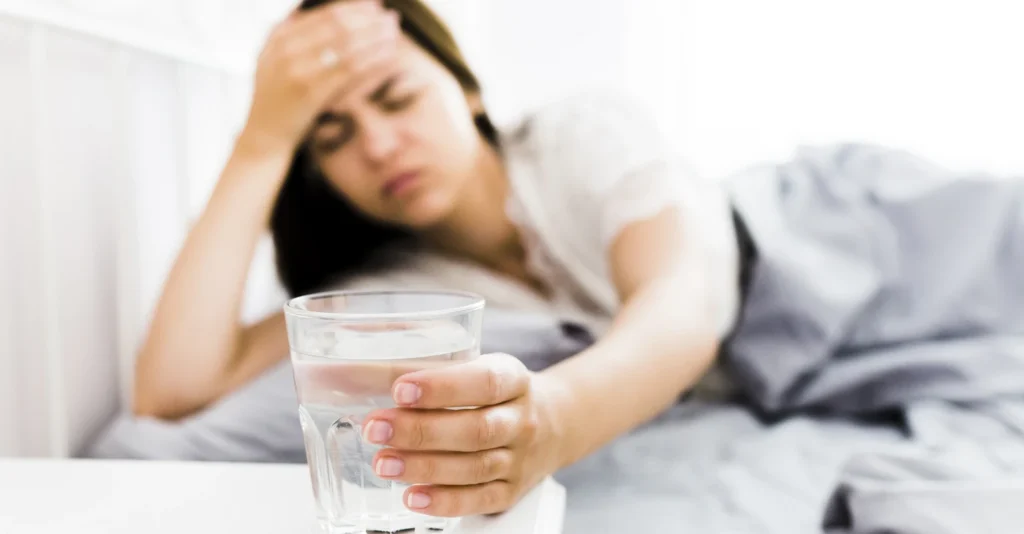
Yes, a lack of proper hydration can lead to headaches, but the reason behind this connection isn’t always obvious. When your body doesn’t have enough fluids, normal brain function can be disrupted, triggering head pain that ranges from dull pressure to persistent discomfort that interferes with daily life.
Headaches related to fluid loss are often mistaken for stress, lack of sleep, or eye strain. Over time, inadequate hydration can strain blood flow and pain-sensitive structures in the brain. If symptoms worsen or don’t improve, our emergency room in Eagle Pass is equipped to evaluate dehydration and address related complications promptly.
What Is Dehydration?
Dehydration occurs when the body loses more fluids than it takes in, leaving it without enough water to function properly. Water is essential for maintaining blood volume, regulating temperature, and supporting brain activity. Even mild dehydration can disrupt these processes and lead to symptoms such as headaches and fatigue.
A cross-sectional survey reported that approximately 40.71% of adults recognized headache or dizziness as a symptom linked with dehydration, illustrating that nearly four out of ten people associate fluid loss with head pain.
Symptoms Of Dehydration
- Thirst and dry mouth.
- Dark yellow urine or reduced urination.
- Fatigue or weakness.
- Dizziness or lightheadedness.
- Headache or head pressure.
Does Dehydration Cause Headaches?
Yes, dehydration can cause headaches. When fluid levels drop, blood volume decreases, reducing oxygen and nutrient delivery to the brain. This change can activate pain-sensitive receptors and contribute to head pain. Dehydration may also worsen existing headache conditions, including tension headaches and prostrating migraine headaches, making symptoms more intense and longer-lasting.
Why Does Dehydration Cause Headaches?
- Reduced Brain Cushioning: Lower fluid levels can cause slight brain tissue shrinkage, increasing tension on pain-sensitive membranes and triggering discomfort.
- Decreased Blood Flow: Dehydration reduces circulating blood volume, limiting oxygen delivery to the brain and contributing to headache pain.
- Electrolyte Imbalance: Loss of sodium and potassium disrupts nerve signaling, which can intensify headache symptoms.
- Increased Pain Sensitivity: Dehydration may heighten inflammatory responses, making the nervous system more sensitive to pain triggers.
What Does A Dehydration Headache Feel Like
A dehydration headache often feels like a steady, dull ache or throbbing pressure that may affect the entire head or concentrate in the forehead or back of the skull. The pain can worsen with physical movement, bending forward, or prolonged activity. Unlike migraines, it usually improves once hydration is restored.
- Dull or throbbing head pain.
- Pressure that worsens with movement.
- Accompanied by thirst or fatigue.
- Relief often begins after fluid intake.
How Long Does A Dehydration Headache Last
The duration of a dehydration headache depends on the severity of fluid loss. Mild cases often improve within a few hours after drinking water or rehydration drinks. More significant dehydration may cause headaches to last longer, especially if electrolyte levels are not restored or if fluid loss continues.
When It Is An Emergency?
Most dehydration headaches resolve with proper hydration, but severe dehydration can become a medical emergency. If dehydration affects mental status, heart function, or circulation, immediate care is necessary to prevent serious complications.
- Confusion or difficulty staying alert.
- Rapid heartbeat or breathing.
- Very little or no urine output.
- Fainting or extreme dizziness.
If these symptoms occur, contact the STAT Specialty Hospital immediately for urgent evaluation and treatment.
How Do You Get Rid Of A Dehydration Headache
Relieving a dehydration headache begins with restoring fluid balance and reducing strain on the body. Gradual hydration allows blood flow and brain function to normalize, helping ease pain safely. Addressing dehydration early can prevent headaches from worsening or recurring.
- Fluid Replacement: Drinking water consistently and using rehydration drinks helps restore lost fluids and electrolytes, supporting faster headache relief.
- Over-The-Counter Medications: Pain relievers such as acetaminophen or ibuprofen may reduce discomfort temporarily, but should not replace hydration.
- Rest And Cooling: Resting in a cool environment lowers fluid loss and reduces headache intensity.
- Cold Compress: Applying a cool cloth to the forehead or neck can soothe pain while hydration takes effect.
- Electrolyte Support: Balanced electrolytes help stabilize nerve and muscle function, especially after sweating or illness.
- Avoid Dehydrating Triggers: Limiting alcohol and excess caffeine prevents further fluid loss and supports recovery.
Expert Care For Dehydration Headaches At STAT Specialty Hospital
Experiencing persistent or severe head pain can be concerning, especially when dehydration may be involved. Can dehydration cause headaches becomes an important question when symptoms such as dizziness, confusion, or worsening pain do not improve with fluids alone. Early medical evaluation helps determine the severity and prevent further complications.
At STAT Specialty Hospital, our medical team provides prompt assessment and treatment for dehydration-related headaches, from IV fluids and monitoring to advanced inpatient care when necessary. Timely intervention supports hydration balance, protects brain function, and promotes a safe and effective recovery.