
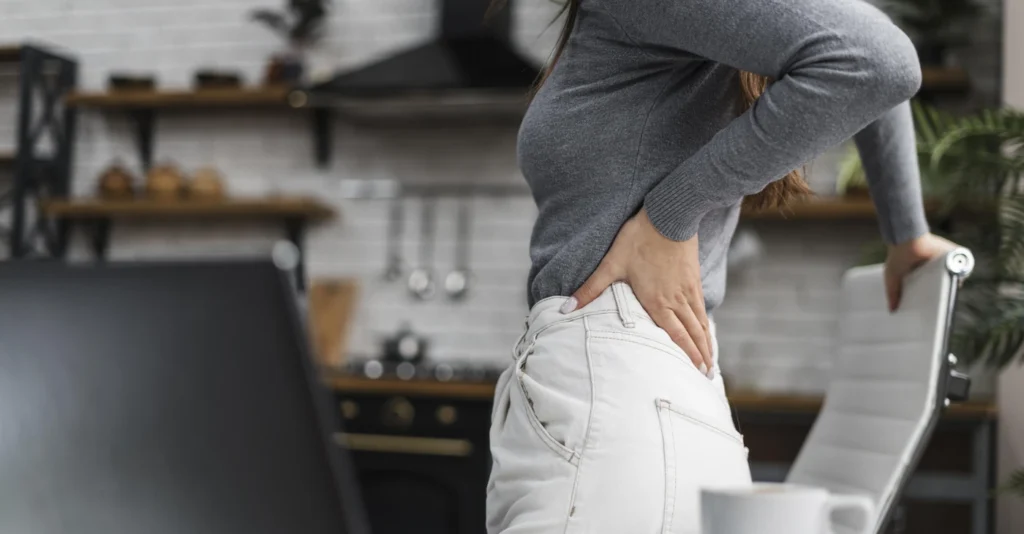
Lower back pain is most often caused by muscle strain, disc problems, arthritis, or nerve irritation, but the exact source can vary widely. What Causes Lower Back Pain ranges from minor overuse injuries to more serious spinal conditions, with discomfort that may be mild stiffness or severe, limiting pain. Many people initially ignore it, hoping it will resolve on its own, but early assessment is key.
Persistent or worsening symptoms should never be overlooked. At our Del Rio emergency room, patients frequently seek care for sudden or intense back pain that interrupts daily activities. Timely evaluation not only helps relieve pain but also prevents long-term complications and supports recovery.
Understanding Lower Back Pain
Lower back pain refers to discomfort in the lumbar region of the spine, which supports most of the body’s weight and movement. This area is particularly vulnerable to injury and degenerative changes due to mechanical stress. According to the National Institutes of Health (NIH), around 80% of adults experience low back pain at some point in their lives, making it one of the most common causes of disability worldwide.
Lower Back Pain Symptoms
- Dull, aching pain in the lower back.
- Sharp or stabbing pain that worsens with movement.
- Muscle tightness or spasms.
- Pain radiating to the hips, buttocks, or legs.
- Numbness, tingling, or weakness in the legs.
- Difficulty standing straight or walking.
Also Read: Back Pain: Causes and Effective Treatments
Lower Back Pain Causes
Lower back pain can develop from mechanical stress, structural changes, inflammation, or underlying medical conditions. Sometimes the pain begins suddenly after lifting something heavy; other times it develops gradually over months. Understanding the root cause is essential because treatment varies depending on whether the issue involves muscles, discs, joints, or nerves.
Muscle Or Ligament Strain
Overstretching muscles or ligaments due to sudden movements, heavy lifting, or poor posture can cause microtears and inflammation. Repetitive strain from sports or daily activities can trigger acute pain, often localized to the lower back. Symptoms usually improve with rest but may flare with activity.
Treatment
- Short-term activity modification or rest.
- Ice or heat therapy to reduce inflammation and ease stiffness.
- Over-the-counter pain relievers like ibuprofen or acetaminophen (as recommended by a healthcare provider).
- Physical therapy to restore flexibility and strengthen supporting muscles.
Herniated Or Bulging Disc
Spinal discs cushion the vertebrae. When a disc bulges or herniates, it can compress nearby nerves, causing pain that may radiate to the leg (sciatica). Symptoms can include numbness, tingling, or weakness. This condition often results from injury, overuse, or aging.
Treatment
- Anti-inflammatory medications (recommended by the doctor).
- Physical therapy.
- Epidural steroid injections (recommended by the doctor).
- Surgery in severe or persistent cases.
Degenerative Disc Disease
As discs age, they lose hydration and flexibility, reducing shock absorption. This can cause chronic low back pain, often worsening with prolonged sitting, bending, or lifting. Pain may be intermittent or persistent.
Treatment
- Physical therapy and posture correction.
- NSAIDs (recommended by the doctor).
- Lifestyle modifications such as weight management.
- In rare cases, surgical intervention.
Spinal Stenosis
Narrowing of the spinal canal can compress nerves, causing pain, numbness, or weakness in the legs. It usually affects older adults, and symptoms may worsen with standing or walking. The narrowing often results from age-related changes such as thickened ligaments, bone spurs, or degenerating discs that encroach on the spinal canal.
Treatment
- Physical therapy.
- Anti-inflammatory medications (recommended by the doctor).
- Steroid injections (recommended by the doctor).
- Decompression surgery if symptoms are severe.
Osteoarthritis
Osteoarthritis in the spine causes cartilage breakdown and inflammation in facet joints. It can lead to stiffness, especially in the morning, and over time, bone spurs may press on nerves. Age-related wear and tear, repetitive motion, and joint stress accelerate cartilage degeneration, which contributes to spinal osteoarthritis.
Treatment
- NSAIDs (recommended by the doctor).
- Gentle exercise programs.
- Heat therapy.
- In advanced cases, surgical options.
Sciatica
Sitting or standing incorrectly adds strain to the spine over time. Desk jobs, prolonged screen time, or improper lifting can all contribute to chronic discomfort. Maintaining poor posture for extended periods can weaken core and back muscles, increasing pressure on spinal discs and ligaments.
Treatment
- Physical therapy.
- Anti-inflammatory medications (recommended by the doctor).
- Muscle relaxants (recommended by the doctor).
- Surgical evaluation, if severe.
Poor Posture
Sitting or standing incorrectly adds strain to the spine over time. Desk jobs, prolonged screen time, or improper lifting can all contribute to chronic discomfort. Maintaining poor posture for extended periods can weaken core and back muscles, increasing pressure on spinal discs and ligaments.
Treatment
- Ergonomic adjustments.
- Core-strengthening exercises.
- Postural training.
- Stretching routines.
Kidney Problems
Kidney infections or stones may present as lower back pain, often accompanied by urinary symptoms, nausea, or fever. This pain differs from musculoskeletal pain and requires medical evaluation. Kidney stones form when minerals crystallize in the urine, while infections result from bacterial invasion of the urinary tract, both causing referred pain to the lower back.
Treatment
- Antibiotics for infection (recommended by the doctor).
- Pain management (recommended by the doctor).
- Increased hydration.
- Surgical or procedural intervention for large stones.
When To Seek Emergency Care For Lower Back Pain
Most lower back pain resolves with conservative care, but certain signs indicate a serious condition. Immediate medical attention is necessary if pain is severe, sudden, or accompanied by neurological changes. Ignoring these symptoms can lead to permanent complications.
- Loss of bladder or bowel control.
- Severe weakness in one or both legs.
- Numbness in the groin area.
- High fever with back pain.
- Pain after a major fall or accident.
If you notice these symptoms, contact the STAT Specialty Hospital immediately for urgent evaluation.
Is Walking Good For Lower Back Pain
Yes, walking is an excellent low-impact activity for lower back pain. It enhances circulation, reduces stiffness, and strengthens supporting muscles without excessive strain. Individuals with severe nerve compression or acute injuries should consult a healthcare professional before beginning any exercise program.
Stretches For Lower Back Pain
Stretching relieves tension, increases flexibility, and reduces stiffness in the lumbar region. Gentle, consistent stretching supports recovery and prevents recurrence. Avoid movements that exacerbate sharp pain.
- Knee-To-Chest Stretch: Lie on your back and pull one knee toward the chest. Hold for 15–30 seconds to relax lower back muscles.
- Cat-Cow Stretch: On hands and knees, arch and round the spine alternately. This improves spinal mobility.
- Child’s Pose: Sit back on your heels with arms stretched forward. This gently elongates the lower back.
- Pelvic Tilt Stretch: Lie on your back, tighten your abdominal muscles, and flatten your lower spine. This improves spinal alignment.
Exercises For Lower Back Pain
Strengthening exercises stabilize the spine, reducing the risk of recurrent pain. A strong core evenly distributes stress across the lumbar region. Exercises should be adapted to pain severity and performed under guidance if necessary.
- Bridges: Lie on your back with knees bent and lift your hips. Strengthens glutes and lower back muscles.
- Bird-Dog: On hands and knees, extend opposite arm and leg. Enhances spinal stability and balance.
- Partial Crunches: Engage abdominal muscles while supporting the lower back. Avoid full sit-ups to prevent strain.
- Wall Sits: Lean against a wall and slowly lower into a seated position. Builds endurance in supporting muscles.
Care for Lower Back Pain at STAT Specialty Hospital
Lower back pain can arise from various causes, including muscle strain, poor posture, herniated discs, or underlying medical conditions. Understanding these causes is essential for proper management and prevention of further complications. At STAT Specialty Hospital, our team provides thorough evaluations to pinpoint the source of pain and recommend effective treatment strategies.
Our specialists offer personalized care plans, incorporating monitoring, supportive interventions, and safe outpatient care options. With expert guidance, patients can manage symptoms, improve mobility, and enhance overall well-being while receiving care in a comfortable and supportive environment.