
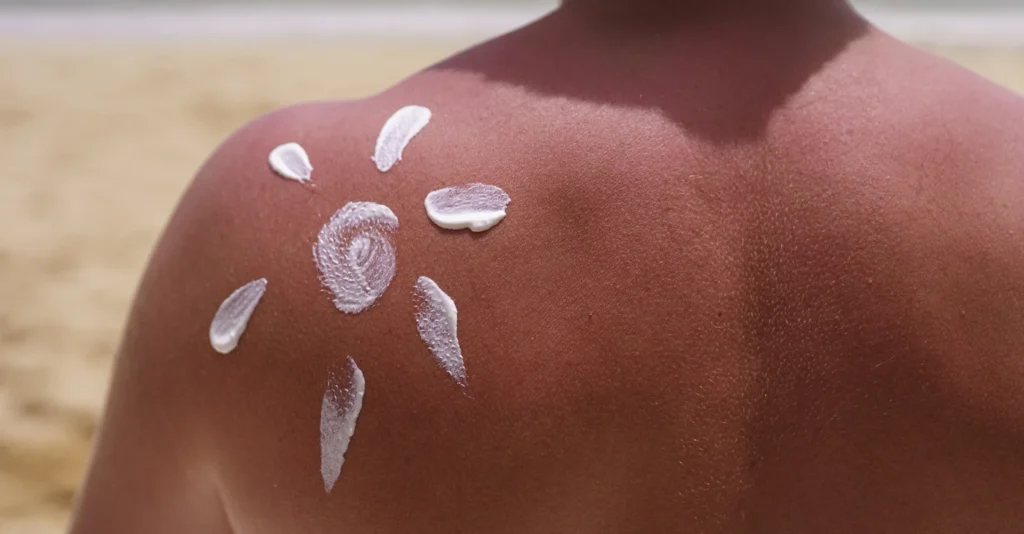
That painful, red skin after a day in the sun can leave you wondering when the discomfort will finally end. If you’re asking How Long Do Sunburns Last?, most mild sunburns improve within 3 to 5 days, while more severe burns with blistering can take 7 to 14 days or longer to heal. The exact recovery time depends on how deeply your skin was damaged.
Although many sunburns heal on their own, some can become more serious than they first appear. Severe pain, widespread blisters, fever, chills, dizziness, confusion, dehydration, or swelling may signal significant sun damage that requires prompt medical evaluation. Our emergency room in Laredo, TX provides timely care for severe sunburns and related complications.
What Causes Sunburn?
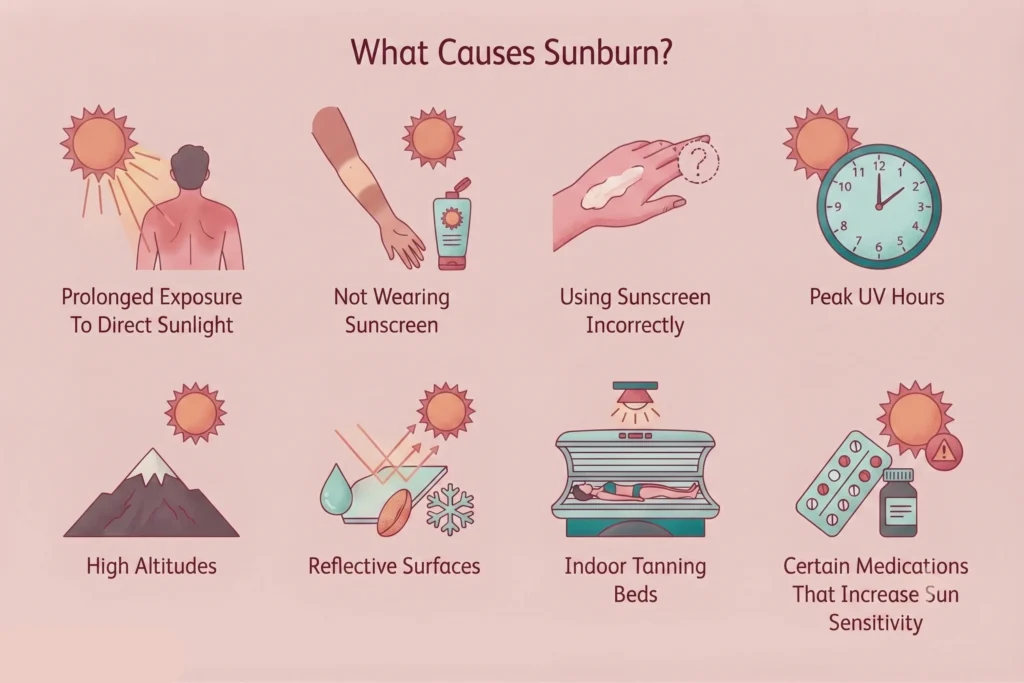
A painful sunburn can happen faster than many people realize, especially when you’re enjoying time outdoors and don’t notice your skin becoming damaged. Sunburn develops when your skin absorbs more ultraviolet (UV) radiation than it can safely handle, causing inflammation and injury to skin cells. While anyone can experience sunburn, certain situations and environmental factors can greatly increase the risk.
Prolonged Exposure To Direct Sunlight
Spending too much time in direct sunlight is the most common cause of sunburn. The longer your skin is exposed to UV rays without adequate sun protection, the greater the damage to skin cells. Even a single afternoon outdoors can result in a painful burn, particularly during peak daylight hours when UV radiation is strongest.
Treatment
- Move indoors or into the shade as soon as you notice redness or burning.
- Cool the affected skin with cool compresses or a cool shower.
- Drink plenty of water to help prevent dehydration.
- Apply a soothing moisturizer or aloe vera gel.
- Use pain relievers such as ibuprofen or acetaminophen only if recommended by a doctor.
Not Wearing Sunscreen
Failing to apply sunscreen leaves your skin directly exposed to harmful UV rays. Without broad-spectrum protection, UV radiation can quickly damage the outer layers of the skin, increasing the likelihood of redness, pain, and peeling. The risk is even higher during extended outdoor activities.
Treatment
- Stop further sun exposure immediately.
- Keep the skin moisturized with fragrance-free lotion.
- Apply aloe vera gel to soothe irritation.
- Use topical corticosteroid cream only if prescribed by a doctor.
- Seek medical advice if severe blistering develops.
Using Sunscreen Incorrectly
Applying too little sunscreen, forgetting to reapply it, or missing exposed areas significantly reduces its effectiveness. Sunscreen can also wear off after swimming, sweating, or towel drying, allowing UV rays to reach the skin and cause sunburn.
Treatment
- Move to a shaded area immediately.
- Gently cool the affected skin with cool water.
- Continue moisturizing several times a day.
- Take anti-inflammatory medication only if recommended by a doctor.
- Avoid further sun exposure until healing is complete.
Peak UV Hours
Ultraviolet radiation is strongest between approximately 10 a.m. and 4 p.m. During these hours, even relatively short periods outdoors can cause significant skin damage. Many people underestimate how quickly sunburn can develop when UV levels are high.
Treatment
- Get out of direct sunlight immediately.
- Apply cool compresses to reduce heat and discomfort.
- Stay well hydrated.
- Use medicated creams only if prescribed by a doctor.
- Contact a healthcare provider if symptoms rapidly worsen.
High Altitudes
At higher elevations, the atmosphere filters less ultraviolet radiation, allowing stronger UV rays to reach the skin. People hiking, skiing, or visiting mountainous regions may develop sunburn more quickly than expected, even on cool or cloudy days.
Treatment
- Rest indoors or in the shade.
- Cool the affected skin with a cool shower.
- Apply fragrance-free moisturizer frequently.
- Take pain medication only if recommended by a doctor.
- Seek medical care for extensive blistering or severe pain.
Reflective Surfaces
Water, snow, sand, and concrete can reflect ultraviolet rays back onto the skin, increasing total UV exposure. This reflected radiation can burn areas that may otherwise seem protected, making sunburn more likely during outdoor recreation.
Treatment
- Leave the reflective environment as soon as possible.
- Apply cool compresses for comfort.
- Keep the skin moisturized.
- Use prescription creams only if prescribed by a doctor.
- Monitor for worsening redness, swelling, or blisters.
Indoor Tanning Beds
Tanning beds emit concentrated ultraviolet radiation that can damage the skin similarly to natural sunlight. Frequent or prolonged tanning bed use increases the risk of sunburn and repeated UV damage, even when redness does not appear immediately.
Treatment
- Stop using tanning beds until fully healed.
- Soothe the skin with cool compresses.
- Apply aloe vera or fragrance-free moisturizer.
- Use topical medications only if prescribed by a doctor.
- Seek medical evaluation if severe skin reactions occur.
Certain Medications That Increase Sun Sensitivity
Some prescription and over-the-counter medications can make the skin much more sensitive to ultraviolet light. As a result, people taking these medications may develop sunburn after relatively brief sun exposure that normally would not cause significant skin damage.
Treatment
- Avoid additional sun exposure while recovering.
- Cool and moisturize the affected skin.
- Stay hydrated throughout the healing process.
- Do not stop prescription medications unless instructed by your doctor.
- Use medicated creams or oral medications only if recommended or prescribed by a doctor.
How Long Does It Take For A Sunburn To Heal?
Healing from a sunburn can take anywhere from a few days to several weeks, depending on how severe the skin damage is. While many sunburns improve on their own, deeper burns need more time to recover. Knowing the typical healing timeline can help you tell whether your recovery is progressing normally or needs medical attention.
- Mild Sunburn (3–5 Days): Redness, tenderness, and mild discomfort usually improve within a few days. Light peeling may occur as the skin heals.
- Moderate Sunburn (5–7 Days): Pain, swelling, and redness gradually improve over about a week. Peeling is common during recovery.
- Severe Sunburn (7–14 Days Or Longer): Blistering and deeper skin damage may take two weeks or longer to heal and may require medical care.
- Blister Healing (7–10 Days): Intact blisters usually heal within one to two weeks. Avoid popping them to reduce the risk of infection.
- Peeling Stage (3–7 Days After The Burn): Peeling begins as damaged skin sheds and new skin forms. This is a normal part of healing.
- Complete Skin Recovery (Several Weeks): Even after symptoms improve, the skin may remain sensitive and continue repairing for several weeks.
If a severe burn causes worsening pain, dehydration, or signs of infection, visit an ER for burns in Laredo for prompt evaluation and treatment.
When To Go To The ER
Most sunburns improve with home care, but some can become serious and require immediate medical attention. Severe sunburn may damage deeper layers of the skin, cause significant fluid loss, or lead to heat-related illness. Visit the emergency room right away if your symptoms are severe or continue to worsen instead of improving.
- Large or widespread blisters covering a significant area of your body.
- Severe pain that is unbearable or continues to worsen.
- A high fever, chills, or shaking.
- Dizziness, fainting, confusion, or difficulty staying awake.
- Signs of dehydration, such as extreme thirst, dry mouth, dark urine, or little to no urination.
- Severe swelling of the face, hands, or feet.
- Persistent vomiting or inability to keep fluids down.
- Difficulty breathing or swelling of the lips or throat.
- Red streaks, pus, increasing warmth, or other signs of a skin infection.
- Sunburn involves the eyes with severe pain, vision changes, or difficulty seeing.
If you experience these warning signs and are searching for the closest emergency room near me, seek immediate medical care to prevent serious complications.
How Long Do Sunburns Last? Care At STAT Specialty Hospital
Most mild sunburns heal within a few days, but deeper burns with blistering or severe skin damage can take much longer and may require medical attention. With a 24/7 emergency room available, STAT Specialty Hospital provides expert evaluation, pain relief, dehydration treatment, and care to help prevent complications. If you’re wondering How Long Do Sunburns Last?, our team provides prompt, personalized treatment based on the severity of your injury.
Don’t ignore severe sunburn symptoms such as widespread blisters, high fever, dizziness, confusion, dehydration, or severe pain that continues to worsen. These signs may indicate a medical emergency requiring immediate treatment. With compassionate, 24/7 emergency care, STAT Specialty Hospital is here to help you recover safely and protect your health.
Key Takeaways
- Most mild sunburns heal within 3–5 days, while severe sunburns may take 7–14 days or longer.
- Healing time depends on the severity of the burn, skin type, and the extent of UV damage.
- Common causes include prolonged sun exposure, inadequate sunscreen use, tanning beds, and reflective surfaces.
- Seek emergency care for large blisters, severe pain, fever, dizziness, dehydration, confusion, or signs of infection.
- Avoid additional sun exposure while your skin heals to reduce the risk of further damage and complications.
- Prompt medical evaluation can help prevent serious complications from severe sunburn.
Frequently Asked Questions
What Should You Put On Sunburn?
Apply aloe vera gel or a fragrance-free moisturizer to help soothe and hydrate the skin. Cool compresses may also relieve discomfort. Use medicated creams or pain relievers only if recommended or prescribed by a doctor.
Do Sunburns Turn Into A Tan?
A sunburn does not always turn into a tan. While some people may notice temporary skin darkening as it heals, a sunburn is a sign of UV skin damage, not a healthy tanning process.
Why Does My Sunburn Itch?
Sunburn can itch as the skin begins to heal and damaged skin cells are replaced. Inflammation, dryness, and peeling commonly cause this itching, which usually improves as the burn recovers.
Can Eyes Get Sunburned?
Yes. The eyes can become sunburned, a condition known as photokeratitis, after exposure to intense UV rays. Symptoms include eye pain, redness, tearing, blurred vision, and sensitivity to light. Severe symptoms should be evaluated by a healthcare professional immediately.
How Long Does Heat Rash Last?
Heat rash usually clears within a few days once the skin is cooled and the trigger is removed. More severe cases may take up to a week or longer to improve, especially if the skin remains irritated or exposed to heat.