
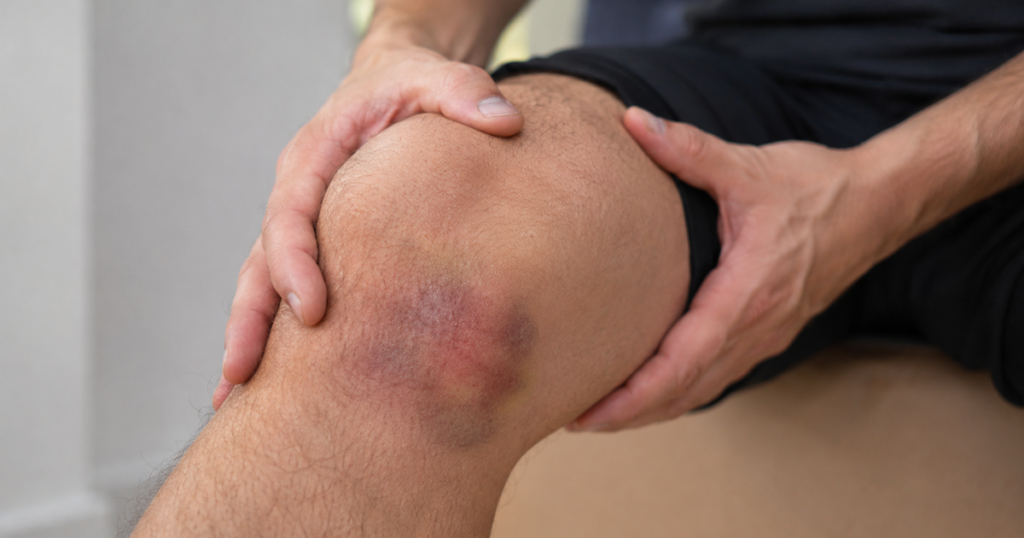
Soft tissue injuries can affect muscles, tendons, ligaments, and other connective tissues in the body. These injuries often happen after falls, car accidents, sports activities, or repetitive physical movements. Depending on the severity, patients may experience swelling, pain, bruising, stiffness, and reduced flexibility. While mild injuries may improve with rest, severe soft In urgent situations, seeking care at a Laredo emergency room can help ensure prompt evaluation and appropriate treatment.
What Are Soft Tissue Injuries?
Soft tissue injuries happen when muscles, tendons, or ligaments are stretched, torn, or bruised because of sudden force or overuse. These injuries are common in both daily activities and high-impact accidents. Symptoms may appear immediately or gradually worsen over time depending on the damage involved, and in some cases, Fracture care may be needed if a more serious underlying bone injury is suspected.
Common Types of Soft Tissue Injury
Soft tissue injuries can affect different parts of the body and vary from mild discomfort to severe tissue damage.
Sprains
Sprains happen when ligaments stretch or tear because of sudden twisting, falls, or awkward movement during physical activity. These injuries commonly affect joints such as the ankles, knees, and wrists due to frequent movement and pressure. Symptoms often include pain, swelling, bruising, and difficulty putting weight on the affected joint. Severe sprains may also lead to joint instability and reduced flexibility during recovery.
Strains
Strains occur when muscles or tendons become overstretched or torn due to overuse, lifting, or sudden forceful movement. These injuries are common in the lower back, shoulders, neck, and leg muscles during physical activity or repetitive work. Symptoms may include muscle tightness, weakness, spasms, and pain while moving the affected area. Proper rest and treatment are important to prevent worsening of muscle or tendon damage.
Contusions
Contusions, commonly called bruises, develop after direct impact damages blood vessels beneath the skin and surrounding tissues. The injured area may appear blue, purple, or dark red along with swelling and tenderness. Severe bruising can affect deeper tissues and may cause pain during walking or movement. Recovery time depends on the severity of tissue damage and the location of the injury.
Tendon Injuries
Tendon injuries affect the tissues that connect muscles to bones and help support body movement and joint function. These injuries often occur from repetitive motion, sports activities, or sudden physical trauma affecting the tendons. Common symptoms include pain, stiffness, swelling, and weakness that may worsen during movement or exercise. Without proper treatment and rehabilitation, tendon injuries may lead to long-term discomfort and limited mobility.
Whiplash Injuries
Whiplash injuries occur when the head suddenly moves forward and backward with force, commonly during car accidents. This rapid motion can strain muscles, ligaments, and tendons in the neck and upper back area. Symptoms frequently include neck pain, headaches, dizziness, shoulder stiffness, and reduced range of motion. Some individuals may continue experiencing discomfort and stiffness for weeks after the initial injury.
Soft Tissue Injury Symptoms You should Worry about
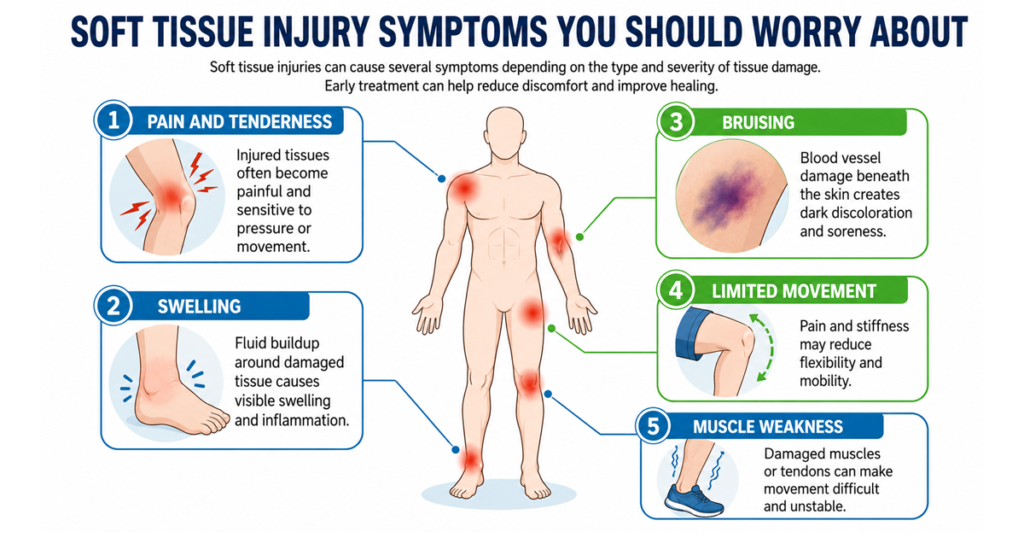
Soft tissue injuries can cause several symptoms depending on the type and severity of tissue damage. Early treatment can help reduce discomfort and improve healing.
- Pain and Tenderness: Injured tissues often become painful and sensitive to pressure or movement.
- Swelling: Fluid buildup around damaged tissue causes visible swelling and inflammation.
- Bruising: Blood vessel damage beneath the skin creates dark discoloration and soreness.
- Limited Movement: Pain and stiffness may reduce flexibility and mobility.
- Muscle Weakness: Damaged muscles or tendons can make movement difficult and unstable.
If these symptoms become severe or do not improve, seeking prompt medical care is important, and searching for an emergency room near me can help ensure fast evaluation and treatment when needed.
Common Causes of Soft Tissue Injury
Soft tissue injuries can occur during everyday activities or traumatic accidents involving sudden force or repetitive stress.
- Car Accidents: Sudden impact may strain neck, shoulder, and back muscles.
- Sports Activities: Running, jumping, or contact sports may tear ligaments or muscles.
- Slips and Falls: Falling suddenly may stretch or damage soft tissues.
- Repetitive Motion: Repeated movement over time can gradually injure tendons and muscles.
- Heavy Lifting: Improper lifting technique can place excessive stress on connective tissues.
How Soft Tissue Injuries Are Diagnosed
Doctors use physical exams and imaging tests to diagnose soft tissue injuries accurately. Early diagnosis helps prevent complications and supports proper treatment.
- Physical Examination: Doctors check the injured area for swelling, tenderness, bruising, and movement limitations. This helps identify the initial signs of soft tissue damage.
- Medical History Review: The patient is asked about how the injury occurred, when symptoms started, and how they have progressed. This helps guide further evaluation.
- Imaging Scans: MRI or ultrasound scans may be used to detect muscle, ligament, or tendon injuries that are not visible on X-rays.
- Functional Testing: Strength, flexibility, and range of motion tests are performed to assess how the injury affects normal movement.
- Injury Severity Evaluation: Based on examination and test results, the injury is classified as mild, moderate, or severe to determine the right treatment approach.
Soft Tissue Injury Treatment Options
Treatment focuses on reducing inflammation, managing pain, and restoring movement in the affected area.
- Medicine for Soft Tissue Injury: Doctors may recommend pain relievers and anti-inflammatory medications to reduce discomfort and swelling. Severe injuries may require prescription medications or muscle relaxants. Topical gels may also help relieve localized pain.
- Rest and Reduced Activity: Rest allows injured muscles and tendons to recover without additional strain. Avoiding excessive movement helps prevent worsening symptoms and tissue damage.
- Ice Therapy: Ice packs help reduce swelling and numb pain after injury. Applying ice during the first few days may improve comfort and reduce inflammation.
- Compression and Elevation: Compression wraps support injured tissues and help reduce swelling. Elevating the affected area improves circulation and healing.
- Physical Therapy: Physical therapy strengthens muscles and restores flexibility after injury. Guided exercises help patients regain movement safely and prevent future injuries.
In severe cases where pain, swelling, or mobility issues worsen, seeking immediate medical attention at a 24/7 emergency room can ensure fast diagnosis and proper treatment.
Recovery time for soft tissue injuries
Recovery time for soft tissue injuries varies depending on how severe the damage is and how consistently the treatment plan is followed. Mild injuries usually heal within a few days to a couple of weeks with proper rest and care.
Moderate injuries may take several weeks to a few months and often require physical therapy to restore movement and strength. Severe injuries, such as major tears in ligaments or tendons, can take many months and may need surgery followed by rehabilitation for full recovery.
How to Prevent Soft Tissue Injury
Simple lifestyle habits and proper body mechanics can reduce the risk of soft tissue injuries.
- Warm Up Before Exercise: Proper stretching and warm-up exercises prepare muscles for activity, improve blood circulation, and reduce the chance of sudden injury.
- Lift Correctly: Using correct lifting techniques and maintaining good posture helps prevent excessive strain on the back, shoulders, and muscles.
- Improve Flexibility: Regular stretching exercises keep muscles flexible and strong, which supports better movement and reduces stiffness.
- Wear Protective Equipment: Proper footwear, braces, or sports gear helps protect vulnerable areas and reduces the impact of physical stress.
- Avoid Repetitive Strain: Taking breaks during repetitive tasks or physical work helps prevent muscle fatigue and long-term overuse injuries.
When to See a Doctor for a Soft Tissue Injury
Some soft tissue injuries require immediate medical evaluation to prevent complications and long-term damage.
- Severe Pain: Intense pain may suggest serious tissue injury.
- Significant Swelling: Severe swelling can indicate deeper damage.
- Limited Movement: Difficulty moving joints should be medically evaluated.
- Visible Changes: Instability or deformity may suggest torn tissues.
- Symptoms That Persist: Ongoing pain or stiffness should not be ignored.
Treatment for Soft Tissue at STAT Specialty Hospital
Soft tissue injuries require immediate medical attention to reduce pain, control swelling, and prevent long-term complications. At STAT Specialty Hospital, patients receive rapid evaluation and advanced diagnostic services to accurately assess muscle, tendon, and ligament damage.
Treatment may include pain relief medication, anti-inflammatory care, and injury stabilization to support proper healing. Imaging tools such as X-rays or other advanced scans help identify hidden injuries and rule out fractures. STAT Specialty Hospital provides comprehensive emergency care focused on fast recovery, accurate diagnosis, and effective treatment outcomes.
Key Takeaways
- Soft tissue injuries occur when muscles, ligaments, or tendons are stretched or torn.
- They are frequently linked to sports injuries, accidents, or daily physical stress.
- Symptoms may include pain, swelling, stiffness, and movement difficulty.
- Accurate diagnosis is achieved through clinical assessment and scans.
- Treatment includes rest, medication, ice therapy, and rehabilitation exercises.
- Recovery may be quick for minor injuries but longer for severe damage.
- Preventive measures include warm-ups and avoiding overexertion.
- Persistent or severe symptoms require urgent medical evaluation.