
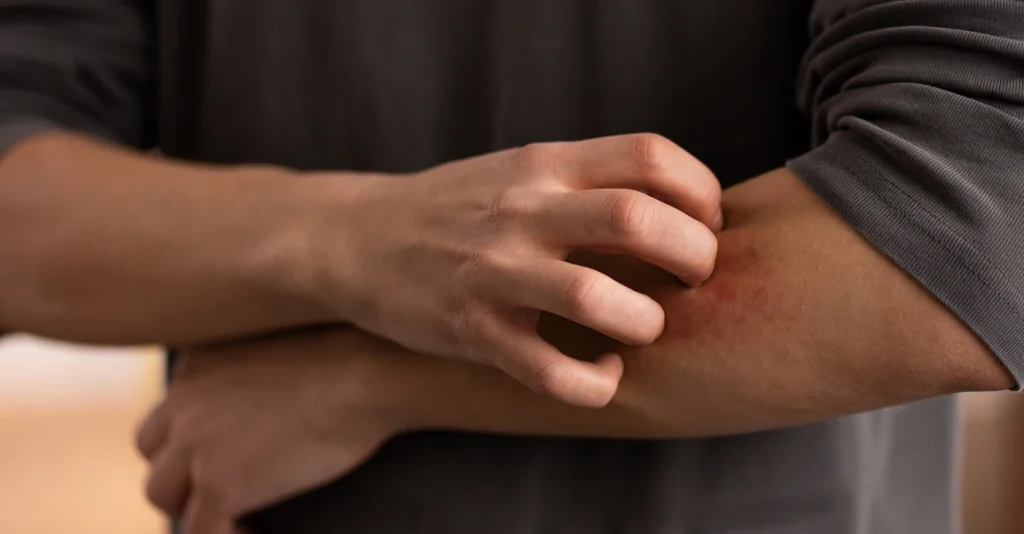
A mosquito bite is usually nothing more than an itchy nuisance, but if your skin swells far beyond the bite, becomes intensely red, or the itching feels unbearable, it is natural to wonder if something more serious is happening. Yes, you can be allergic to mosquito bites, and in some people, the reaction can be much stronger than expected.
While most mosquito bite allergies are mild, severe reactions can develop quickly and should never be ignored. If swelling spreads rapidly, you have trouble breathing, develop hives, or experience dizziness after a mosquito bite, seek emergency medical care immediately, as these symptoms may indicate a life-threatening allergic reaction requiring urgent treatment. Our emergency room in Del Rio provides prompt evaluation and care for severe allergic reactions.
What Causes a Mosquito Bite Allergy?
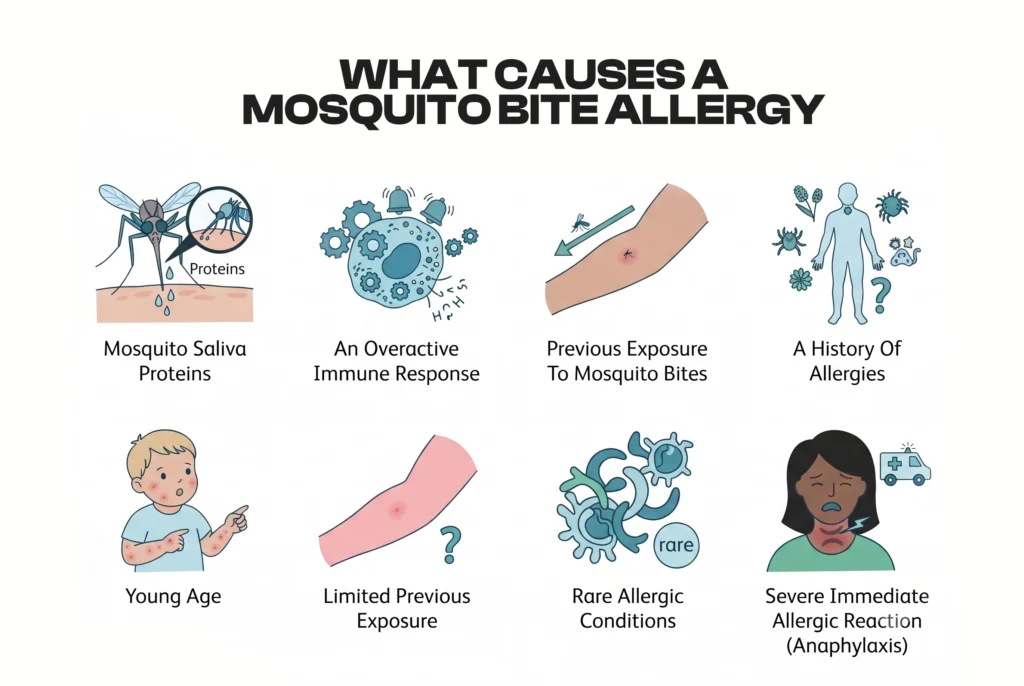
If your reaction to a mosquito bite seems much worse than everyone else’s, you are not imagining it. A mosquito bite allergy happens when your immune system reacts excessively to proteins in the mosquito’s saliva rather than the bite itself. The severity of the reaction varies from person to person, ranging from large, itchy swelling to, in rare cases, a serious allergic emergency. Several factors can increase the likelihood of developing this type of allergic response.
Mosquito Saliva Proteins
The most common trigger of a mosquito bite allergy is the proteins found in mosquito saliva. When a mosquito bites, it injects saliva into the skin to prevent blood from clotting while it feeds. In sensitive individuals, the immune system identifies these proteins as harmful and releases histamine and other inflammatory chemicals. This causes redness, itching, swelling, and, in some cases, a much larger local reaction than expected.
An Overactive Immune Response
Some people naturally have an immune system that reacts more strongly to harmless substances. Instead of producing only mild inflammation, the body releases excessive amounts of immune chemicals after a mosquito bite. This exaggerated response can result in significant swelling, warmth, pain, and prolonged itching that lasts for several days.
Previous Exposure to Mosquito Bites
Repeated mosquito bites can sometimes make the immune system more sensitive to mosquito saliva over time. After multiple exposures, the body may recognize the saliva proteins more aggressively and trigger a stronger allergic reaction. Although many people become less reactive with repeated bites, others may develop increasingly noticeable symptoms.
A History of Allergies
People with allergic conditions such as hay fever, eczema, food allergies, or allergic asthma may be more likely to experience exaggerated skin reactions after mosquito bites. Their immune systems are already prone to reacting to harmless substances, which can increase the likelihood of developing large local swelling and severe itching.
Young Age
Children often experience larger and more noticeable mosquito bite reactions than adults because their immune systems are still developing and may not have built tolerance to mosquito saliva. The swelling can appear alarming, but it usually improves within several days. However, unusually severe or rapidly worsening reactions should always be evaluated by a healthcare provider.
Limited Previous Exposure
People who have recently moved to a new geographic area or are visiting regions with different mosquito species may experience stronger reactions. Because their immune systems have not previously encountered the saliva proteins from those mosquito species, the body may respond with increased inflammation and swelling.
Rare Allergic Conditions
In uncommon cases, certain immune system disorders or blood-related conditions can make mosquito bite reactions unusually severe. These individuals may develop large blisters, extensive swelling, fever, or skin breakdown after a bite. Such reactions require prompt medical evaluation to identify and treat the underlying condition.
Severe Immediate Allergic Reaction (Anaphylaxis)
Although extremely rare, some people develop a life-threatening allergic reaction after a mosquito bite. This occurs when the immune system releases a massive amount of allergic chemicals throughout the body within minutes. Symptoms such as difficulty breathing, swelling of the face or throat, widespread hives, dizziness, or fainting require immediate emergency medical attention.
Also Read: Insect Bite Allergy: Symptoms, Causes, and Treatment
When to Go to the ER for a Mosquito Bite Allergy
Most mosquito bites can be managed at home, but some allergic reactions require immediate emergency care. Delaying treatment for a severe allergic reaction can be life-threatening, especially if it affects your breathing or circulation. If your symptoms develop suddenly or worsen rapidly, go to the nearest emergency room without delay.
- Difficulty breathing, wheezing, or shortness of breath.
- Swelling of the lips, tongue, throat, or face.
- Trouble swallowing or a feeling that your throat is closing.
- Widespread hives or a rapidly spreading rash.
- Severe swelling that involves an entire hand, arm, foot, or leg.
- Dizziness, fainting, confusion, or loss of consciousness.
- A rapid or weak pulse, chest tightness, or severe weakness.
- High fever, increasing redness, pus, or severe pain that may indicate a serious skin infection.
- Symptoms of anaphylaxis, even if they begin to improve after a few minutes.
For severe reactions or worsening symptoms, seek allergy care promptly to receive proper evaluation and treatment.
How Is A Mosquito Bite Allergy Treated?
Treatment for a mosquito bite allergy depends on symptom severity. Mild reactions may improve with home care, while severe reactions may require emergency treatment. If you are searching for the closest emergency room near me for a serious allergic reaction, prompt medical evaluation can help prevent complications.
Treatment for Mild Allergic Reactions
Most mild mosquito bite allergies cause localized redness, itching, and small areas of swelling that improve within a few days. The goal of treatment is to reduce inflammation, relieve itching, and prevent scratching that could lead to a skin infection.
Treatment
- Wash the bite gently with soap and water.
- Apply a cold compress for 10–15 minutes several times a day to reduce swelling.
- Avoid scratching the bite to lower the risk of infection.
- A doctor may recommend or prescribe an oral antihistamine to relieve itching and allergic symptoms.
- A doctor may prescribe a topical corticosteroid cream or ointment if itching or inflammation is significant.
Treatment for Moderate Allergic Reactions
Some people develop large, painful swelling that extends well beyond the bite site, sometimes lasting up to a week. These reactions may interfere with daily activities and require medical evaluation, especially if symptoms continue to worsen.
Treatment
- Continue using cold compresses to reduce swelling.
- Elevate the affected limb if swelling involves an arm or leg.
- A doctor may prescribe a stronger topical corticosteroid when over-the-counter treatments are insufficient.
- A doctor may prescribe oral corticosteroids for severe localized swelling that does not respond to other treatments.
- Follow up with your healthcare provider if symptoms worsen or fail to improve.
Treatment for Severe Allergic Reactions (Anaphylaxis)
Although rare, a mosquito bite can trigger a life-threatening allergic reaction called anaphylaxis. Symptoms may include difficulty breathing, swelling of the lips or throat, widespread hives, dizziness, fainting, or a rapid drop in blood pressure. This is a medical emergency that requires immediate treatment.
Treatment
- Call emergency medical services immediately.
- A doctor or emergency medical professional will administer epinephrine (adrenaline) as the first-line treatment.
- You may receive supplemental oxygen if breathing is affected.
- A doctor may administer intravenous (IV) fluids to help stabilize blood pressure.
- A doctor may prescribe or administer antihistamines and corticosteroids as additional treatment after epinephrine.
- Continuous monitoring in the emergency department may be necessary to ensure symptoms do not recur.
Treatment for Infected Mosquito Bites
Excessive scratching can damage the skin and allow bacteria to enter, leading to an infection. Signs of infection include increasing pain, warmth, pus, spreading redness, or fever.
Treatment
- Keep the affected area clean and dry.
- Avoid scratching or picking at the bite.
- A doctor may prescribe oral or topical antibiotics if a bacterial skin infection is confirmed.
- Seek prompt medical care if redness spreads rapidly, drainage develops, or you develop fever or worsening pain.
Mosquito Bite Allergy Care At STAT Specialty Hospital
A mosquito bite allergy can range from mild swelling and itching to a severe allergic reaction requiring immediate medical attention. STAT Specialty Hospital’s 24/7 emergency room provides rapid evaluation for mosquito bite allergy concerns, helping determine the severity of your reaction and delivering prompt treatment to relieve symptoms and prevent complications.
If you develop difficulty breathing, swelling of the face or throat, widespread hives, dizziness, or rapidly worsening symptoms after a mosquito bite, don’t wait to seek care. STAT Specialty Hospital provides 24/7 emergency services with advanced diagnostic and treatment capabilities, ensuring you receive fast, compassionate care when every minute matters.
Key Takeaways
- Yes, you can be allergic to mosquito bites, and reactions can range from mild itching to severe, life-threatening anaphylaxis.
- Mosquito bite allergies occur when the immune system overreacts to proteins found in mosquito saliva.
- Common symptoms include redness, intense itching, large swelling, warmth, and, in rare cases, difficulty breathing or swelling of the face and throat.
- Mild reactions often improve with supportive care, while moderate or severe allergic reactions may require prescription medications or emergency treatment.
- Seek immediate emergency medical care if you experience trouble breathing, throat swelling, widespread hives, dizziness, fainting, or other signs of anaphylaxis after a mosquito bite.
Frequently Asked Questions
How Long Do Mosquito Bites Last?
Most mosquito bites heal within 3 to 7 days, although itching and mild swelling may persist for a short time. If you have an allergic reaction, symptoms can be more severe, last longer than a week, and may require evaluation by a healthcare provider.
Can Mosquitoes Bite Through Clothes?
Yes. Mosquitoes can bite through thin, stretchy, or tightly fitted clothing, allowing them to reach the skin beneath. Choosing loose-fitting garments made from thicker fabrics can help reduce the chance of mosquito bites.
What Does a Mosquito Bite Allergy Look Like?
A mosquito bite allergy often causes a large, raised, red, and intensely itchy swelling that is much bigger than a typical mosquito bite. In severe cases, blistering, warmth, pain, widespread hives, or swelling of the face and throat may occur and require immediate medical attention.
How To Make Mosquito Bites Stop Itching?
Applying a cold compress can help reduce itching and swelling. A healthcare provider may recommend or prescribe oral antihistamines, topical corticosteroid cream, or calamine lotion to relieve symptoms, and avoiding scratching can help prevent infection.