
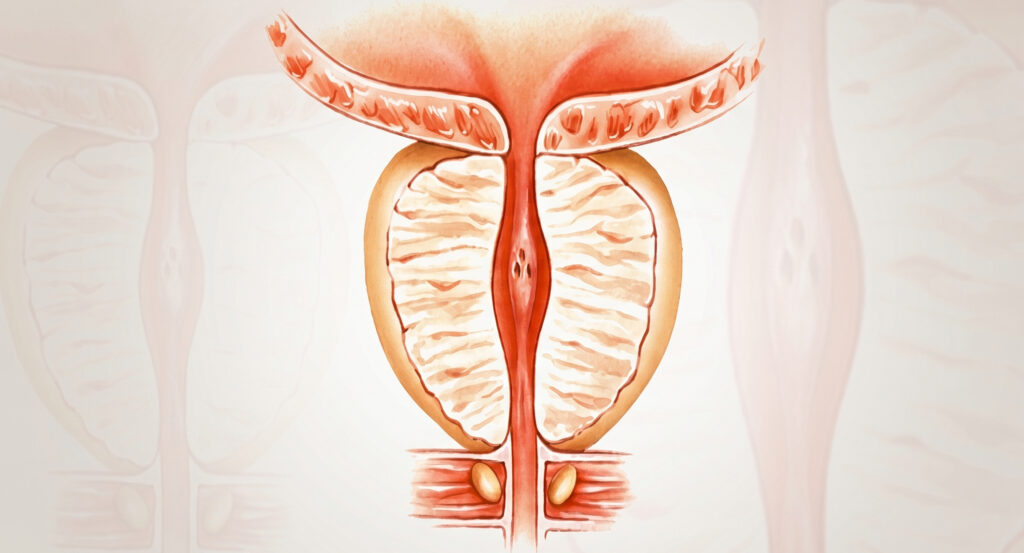
It can be unsettling when you start noticing changes in how you urinate, especially frequent nighttime bathroom trips, a weak stream, or a constant feeling that your bladder is not fully empty. Many men ignore these early signs, assuming they are just a normal part of aging, but they can point to an underlying condition that deserves attention.
An enlarged prostate, also known as benign prostatic hyperplasia (BPH), is a common condition that can restrict urine flow and cause urinary symptoms. If left untreated, it may lead to complications such as urinary retention or infections. Visit our Del Rio emergency room for prompt evaluation and care.
What Causes Enlarged Prostate

Many men experience prostate enlargement as they get older, but the underlying reasons are linked to gradual internal changes in the body. These changes often develop slowly and may not be noticeable at first. Over time, they can affect hormone activity, cellular growth, and overall prostate function. This combination of factors can increase pressure on the urinary system and lead to persistent symptoms that should not be ignored.
Age Related Hormonal Changes
As men grow older, natural shifts in hormone levels can influence how the prostate behaves. Testosterone levels gradually decline, while other hormones may become more active in the body. These changes can encourage prostate cells to multiply at a slow and steady rate. This is one of the most commonly observed contributors to prostate enlargement.
Excess Dihydrotestosterone Activity
Dihydrotestosterone, or DHT, is a hormone that plays a strong role in prostate growth. Even when testosterone levels drop with age, DHT can remain active in prostate tissue. This continued activity can stimulate ongoing cell growth within the gland. Over time, this can lead to noticeable enlargement.
Family History and Genetic Factors
Genetics can influence how likely a man is to develop an enlarged prostate. If close family members have experienced BPH, the chances may be higher. Inherited traits can affect hormone sensitivity and prostate cell behavior. This genetic link often contributes to earlier or more noticeable symptoms.
Lifestyle Factors and Physical Inactivity
A lack of regular physical activity can contribute to changes in overall body function. Reduced movement may affect circulation and hormone regulation over time. These shifts can indirectly influence prostate health and growth patterns. A sedentary routine is often seen alongside worsening urinary symptoms.
Obesity and Excess Body Weight
Carrying excess body weight can alter hormone balance in the body. Fat tissue may influence levels of insulin and sex hormones that affect prostate function. These changes can contribute to gradual prostate growth. Obesity is also commonly associated with more severe urinary symptoms.
Insulin Resistance and Metabolic Syndrome
Insulin resistance can disrupt normal metabolic and hormonal processes. This imbalance may create conditions that support abnormal tissue growth in the prostate. Men with metabolic syndrome often report stronger urinary symptoms. These metabolic changes are increasingly linked with BPH development.
Chronic Inflammation in the Body
Ongoing low grade inflammation can affect prostate tissue over time. This inflammatory state may contribute to gradual structural changes in the gland. It can also make urinary symptoms more persistent and uncomfortable. Long term inflammation is considered a contributing factor in many cases.
Aging Related Pelvic and Bladder Changes
Natural aging can weaken muscles that support bladder control and urinary flow. These changes may not directly enlarge the prostate but can worsen symptoms. Reduced muscle efficiency can make urination less smooth and more frequent. This often adds to the discomfort experienced in BPH.
Enlarged Prostate Symptoms That You Should Never Ignore
- Weak or slow urine stream.
- Frequent urination, especially at night.
- Difficulty starting urination.
- Feeling that the bladder is not completely empty.
- Sudden strong urge to urinate.
- Stopping and starting during urination.
If these symptoms become severe or suddenly prevent you from urinating, they may indicate a urological emergency that requires immediate medical attention.
When To Go To The ER
An enlarged prostate usually develops gradually, but some symptoms can signal a medical emergency. If urine flow stops suddenly or severe discomfort appears, it may indicate urinary blockage or infection that needs immediate care. Prompt treatment is important to prevent complications affecting the bladder or kidneys.
- Complete inability to urinate.
- Severe lower abdominal pain or pressure.
- Blood in urine.
- Fever with chills and urinary symptoms.
- Sudden worsening of weak urine flow.
- Painful urination with side or back pain.
If you have these symptoms, seek immediate care as they may indicate a urological emergency. Visit the closest emergency room near me for prompt treatment.
Enlarged Prostate Treatment
Living with enlarged prostate symptoms can gradually affect sleep, comfort, and daily routine, especially when urination becomes difficult or frequent. Many men feel concerned when symptoms start interfering with work or rest. The condition can often be managed effectively with medical guidance and timely care.
Alpha Blockers for Urinary Symptom Relief
Medications such as tamsulosin or alfuzosin are commonly used to improve urine flow. Most doctors recommend these to help relax the muscles in the prostate and bladder neck, making urination easier. They often provide quick symptom relief within days to weeks, especially for mild to moderate cases. While they do not reduce prostate size, they can significantly improve daily urinary comfort.
5-Alpha Reductase Inhibitors for Prostate Shrinking
Drugs like finasteride and dutasteride are widely prescribed for long-term management. Most doctors recommend these medicines because they help reduce hormone levels that contribute to prostate growth. Over time, they may slowly shrink the prostate and improve symptoms. Results usually take several months, so consistent use under medical supervision is important.
Over The Counter Support and Supplements
Some over the counter supplements, such as saw palmetto are used by men to support urinary health. Most doctors recommend using these with caution and only after proper medical advice. They may help with mild symptoms in some cases, but scientific results are mixed. These options should not replace prescribed treatments when symptoms are moderate or severe.
Minimally Invasive Procedures
Procedures like UroLift or water vapor therapy are considered when medications are not enough. Most doctors recommend these options for patients who want symptom relief without major surgery. They work by reducing pressure on the urethra to improve urine flow. Recovery is often quicker compared to traditional surgical methods.
Surgical Treatment Options
Surgical procedures such as TURP (transurethral resection of the prostate) are used in more severe cases. Most doctors recommend surgery when symptoms significantly affect the quality of life or lead to complications. This procedure removes part of the enlarged prostate to restore normal urine flow. Although recovery takes time, it often provides long-lasting relief.
Enlarged Prostate Support at STAT Specialty Hospital
An enlarged prostate can significantly affect daily comfort, sleep quality, and urinary health if not properly managed. Timely evaluation is important to identify the severity of symptoms and prevent complications such as urinary retention or infections. With our ER wait times averaging just 10 minutes, patients can get timely and efficient care when they need it most.
At STAT Specialty Hospital, our experienced medical team provides accurate diagnosis, personalized treatment planning, and comprehensive care for enlarged prostate at every stage. Whether symptoms are mild or more advanced, we focus on relieving discomfort, improving urine flow, and supporting long-term urinary health for a better quality of life.
Key Takeaway
- Enlarged prostate (BPH) is a common, non-cancerous condition in older men that can still impact urinary health and daily comfort.
- Early symptoms often include weak urine flow, frequent urination, and difficulty starting urination.
- If it progresses, it may lead to urinary retention, infections, or blood in urine that require urgent medical attention.
- Risk factors include aging, hormonal changes, obesity, diabetes, and family history.
- Treatment options range from lifestyle adjustments and medications to minimally invasive procedures or surgery.
- Seek emergency care if you cannot urinate, experience severe pain, fever, or notice blood in urine.
Frequently Asked Questions
What Is The Best Treatment For Enlarged Prostate?
The best treatment depends on symptom severity. Mild cases are managed with lifestyle changes and monitoring. Doctors often prescribe medications like alpha-blockers to improve urine flow. In more advanced cases, procedures such as TURP or minimally invasive options may be needed.
Does An Enlarged Prostate Affect A Man Sexually?
Yes, it can in some cases, but not always. It may lead to erectile issues, reduced libido, or ejaculation changes. Some effects may also come from medications used for treatment. A doctor can help manage and reduce these concerns.