
Blood clots in the lungs, medically known as pulmonary embolism (PE), can turn an ordinary moment into a frightening medical emergency within minutes. What may begin as mild leg discomfort, sudden shortness of breath, or unexplained chest pain can quickly worsen as breathing becomes difficult and oxygen levels begin to drop.
In many cases, the clot starts silently in the legs before traveling through the bloodstream and blocking an artery in the lungs. Because symptoms can sometimes resemble less serious conditions, such as needing urgent care for infection, people may delay seeking the emergency treatment they truly need. When symptoms escalate suddenly, immediate evaluation and inpatient care at facilities such as STAT Specialty Hospital or a nearby emergency room like a Del Rio emergency room can be critical for rapid diagnosis, stabilization, and life-saving treatment.
What Is a Blood Clot?
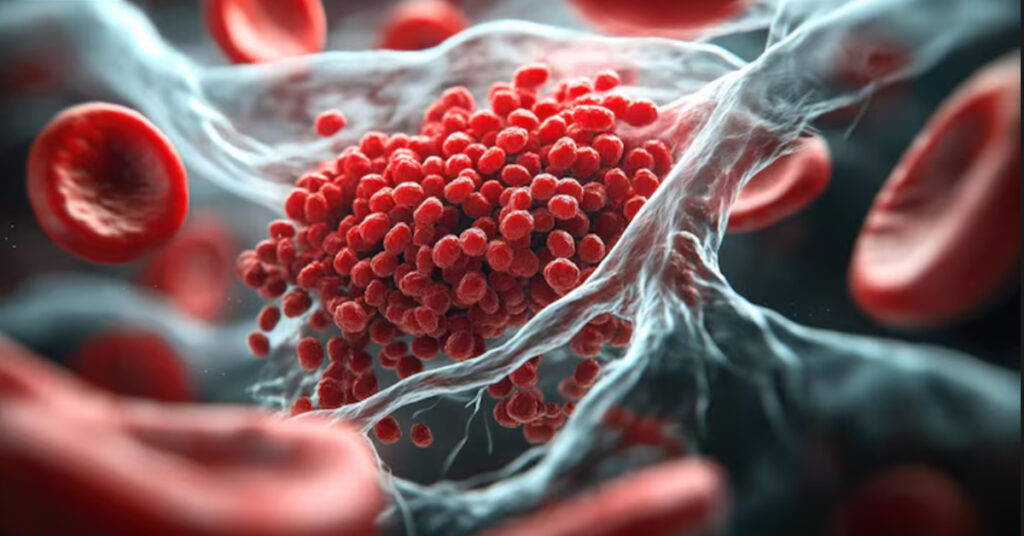
A blood clot is a semi-solid mass formed when blood components stick together. Normally, clotting is a natural process that prevents excessive bleeding after an injury.
However, when clots form abnormally inside blood vessels, they can become dangerous, especially if they travel to vital organs like the lungs. A clot that blocks blood flow in the lungs is called a pulmonary embolism, which can reduce oxygen levels and strain the heart.
Causes Of Blood Clot In Lungs?
Blood clots in the lungs usually originate in the deep veins of the legs, a condition known as deep vein thrombosis (DVT). These clots can break loose and travel through the bloodstream to the lungs.
1. Prolonged Immobility
When the body remains inactive for long periods, blood flow slows down, increasing the risk of clot formation. This can happen during long flights, extended bed rest after illness or surgery, or reduced movement due to injury.
2. Surgery or Injury
Major surgical procedures, especially involving the legs, hips, or abdomen, can damage blood vessels and trigger clot formation. Physical trauma or recovery periods with limited movement also raise the risk significantly.
3. Medical Conditions
Certain health conditions can make blood more likely to clot, including cancer, heart disease, inherited clotting disorders, and severe or ongoing infections that affect normal circulation.
4. Pregnancy and Hormonal Changes
During pregnancy, increased pressure on veins and changes in blood flow can raise clot risk. Hormonal medications such as birth control pills or hormone therapy may also contribute to a higher chance of clot formation.
5. Smoking and Lifestyle Factors
Smoking damages blood vessels and reduces proper circulation. When combined with obesity, inactivity, or a sedentary lifestyle, the risk of blood clots increases significantly and may lead to emergency situations requiring a Del Rio emergency room visit.
6. Genetics and Family History
Some individuals inherit genetic conditions that affect normal clotting mechanisms. A family history of blood clots can increase the likelihood of developing them even without clear external triggers.
What Does a Blood Clot in the Lungs Feel Like?
A blood clot in the lungs (pulmonary embolism) can feel sudden and alarming because it directly affects breathing and oxygen levels. Symptoms often appear without warning and may quickly worsen, making it difficult to continue normal activities.
Common symptoms of a blood clot in the lungs include:
- Sudden shortness of breath, even at rest or with minimal activity
- Sharp chest pain that may worsen when breathing deeply or coughing
- Rapid heartbeat or feeling of heart racing
- Coughing, sometimes with blood-streaked mucus
- Lightheadedness, dizziness, or fainting
- Unexplained anxiety or a feeling of impending distress
If these symptoms occur, immediate medical evaluation is critical, as a pulmonary embolism can become life-threatening without urgent treatment.
How to Check for a Blood Clot in the Lungs
Doctors diagnose a blood clot in the lungs (pulmonary embolism) using a combination of imaging tests, blood tests, and clinical evaluation. The most common and accurate test is CT pulmonary angiography, which helps clearly visualize blood flow in the lungs and detect any blockage.
Other diagnostic methods include chest X-rays, blood oxygen level monitoring, D-dimer blood tests, and ultrasound of the legs to check for deep vein thrombosis (DVT), which is often the source of lung clots.
Early diagnosis is critical because untreated pulmonary embolism can rapidly become life-threatening and requires immediate medical treatment.
How Dangerous Are Blood Clots in the Lungs?
Blood clots in the lungs are extremely dangerous because they block oxygen flow and place strain on the heart.
Symptoms may include sudden shortness of breath, sharp chest pain that worsens with breathing, rapid heartbeat, dizziness or fainting, and coughing up blood.
A large clot can lead to sudden collapse or death if not treated immediately. Pulmonary embolism is therefore a medical emergency.
How to Treat a Blood Clot
Treatment for a blood clot depends on its size, location, and how severe the condition is, especially in cases of pulmonary embolism where immediate care is required. The main goal is to stop the clot from growing, prevent new clots from forming, and restore normal blood flow and oxygen levels. Treatments of blood clot require precision and utmost health care which is only possible in an advanced facility center such as del rio emergency room.
1. Blood Thinners (Anticoagulants)
These medications are the most common treatment for blood clots. They do not dissolve existing clots but help prevent them from getting larger and reduce the risk of new clots forming. Over time, the body naturally breaks down the clot while the medication keeps the condition under control.
2. Clot-Busting Drugs (Thrombolytics)
In severe or life-threatening cases, doctors may use clot-dissolving medications known as thrombolytics. These drugs work quickly to break down large clots that are blocking blood flow in the lungs. Because they carry a higher risk of bleeding, they are typically used in emergency situations under close medical supervision.
3. Inpatient Care
Patients with pulmonary embolism often require hospitalization for close monitoring and stabilization. Inpatient care helps doctors continuously track oxygen levels, heart function, and breathing, while also providing oxygen support and medications to stabilize the condition and prevent complications.
4. Surgical Procedures
In rare and severe cases, surgical or catheter-based procedures may be needed to remove the clot directly from the lungs. Doctors may also place a filter in a large vein (usually the inferior vena cava) to prevent future clots from traveling to the lungs. These interventions are typically reserved for life-threatening situations when other treatments are not sufficient.
When to Go to the ER
Seek emergency care immediately if you experience sudden chest pain, difficulty breathing, fainting or severe dizziness, coughing up blood, rapid heart rate, or severe leg swelling or pain.
These symptoms may indicate a pulmonary embolism requiring urgent treatment at a facility such as a STAT Specialty Hospital.
How Blood Clots in the Lungs Are Diagnosed
Doctors confirm pulmonary embolism using CT pulmonary angiography (most common test), chest X-ray, blood oxygen level testing, ultrasound of the legs, and D-dimer blood test.
Fast diagnosis is critical because treatment is time-sensitive.
Prevention of Blood Clots
While not all blood clots can be prevented, risk can be reduced by staying physically active, avoiding long periods of sitting, staying hydrated, wearing compression stockings if advised, following post-surgery mobility instructions, and avoiding smoking.
High-risk individuals may require preventive blood-thinning medications.
Quick Evaluation of Lungs At STAT Specialty Hospital
Blood clots in the lungs are a serious condition that often begins silently in the legs before becoming life-threatening. Understanding the causes, recognizing early symptoms, and seeking immediate medical care can significantly improve outcomes.
If symptoms appear suddenly or worsen quickly, emergency care is essential. Facilities like STAT Specialty Hospital are equipped to provide rapid diagnosis and life-saving treatment.
Early action saves lives, never ignore warning signs of a possible blood clot.
Key Takeaways
- Blood clots in the lungs (pulmonary embolism) usually develop when a clot travels from the deep veins of the legs to the lungs
- Deep vein thrombosis (DVT) is the most common starting point and an important early warning sign
- Major risk factors include prolonged immobility, surgery, smoking, pregnancy, medical conditions, and genetic clotting disorders
- Symptoms can appear suddenly and may include shortness of breath, chest pain, rapid heartbeat, dizziness, or coughing up blood
Frequently Asked Questions
1. What causes blood clots in the lungs?
Blood clots in the lungs (pulmonary embolism) usually form when a clot from the deep veins in the legs (deep vein thrombosis) travels to the lungs. Common causes include prolonged immobility, surgery, smoking, pregnancy, and certain medical or genetic conditions.
2. What are the early warning signs of a blood clot in the lungs?
Early signs may include sudden shortness of breath, chest pain that worsens with breathing, rapid heartbeat, dizziness, and coughing up blood. Symptoms often appear suddenly and require immediate medical attention.
3. Can a blood clot in the lungs be life-threatening?
Yes, a pulmonary embolism is a medical emergency. If a large clot blocks blood flow to the lungs, it can reduce oxygen levels and may become life-threatening if not treated quickly.
4. How is a blood clot in the lungs diagnosed?
Doctors typically use CT pulmonary angiography, blood oxygen tests, D-dimer blood tests, chest imaging, and ultrasound of the legs to confirm pulmonary embolism.