
Heat rash usually clears up within a few days once the skin cools and sweat production decreases, but discomfort and itching can make it feel longer and more irritating if not treated properly. Many people experience heat rash blisters, heat bumps on the face, and other forms of skin irritation in hot, humid environments, so understanding its duration helps you manage it effectively.
Heat rash occurs when sweat gets trapped under the skin, causing inflammation and small bumps that can feel prickly or itchy. Most mild cases resolve quickly with simple cooling measures, but persistent or severe symptoms may require medical attention. Our Laredo emergency room can help evaluate and treat any complications if symptoms worsen or don’t improve.
What Is Heat Rash?
Heat rash, also called miliaria, is a skin condition caused when sweat ducts become blocked and sweat gets trapped under the skin, leading to inflammation. This results in clusters of tiny bumps or blisters and irritation, especially in hot, humid climates or during vigorous sweating.
According to dermatology literature, miliaria rubra, a common form of heat rash, affects up to 30% of adults in hot, humid environments, demonstrating its prevalence in susceptible populations.
Heat Rash Symptoms
- Tiny, red bumps on the skin surface.
- Itchy or prickly sensation.
- Heat rash blisters that may be clear or fluid‑filled.
- Warm, irritated skin, especially in folds like armpits or neck.
- Sensation similar to hives from heat after sweating.
How Long Does Heat Rash Take To Go Away?
Heat rash usually improves within 1–3 days once the skin cools and sweat stops accumulating, though more severe cases can last longer. Most mild rashes clear as the sweat ducts recover and inflammation subsides. Avoiding heat, friction, and tight clothing can speed healing, while continued sweating may prolong the rash. Severe or infected cases may persist up to a week or more, in which case medical evaluation is recommended.
What Causes Heat Rash?
Heat rash develops when sweat glands or ducts are blocked, preventing normal sweat release. This leads to inflammation, irritation, and formation of bumps, including heat bumps, heat hives, or sweat rash. The condition can affect people of all ages, especially during hot weather, vigorous exercise, or wearing non-breathable clothing.
1. Blocked Sweat Ducts
Blocked sweat ducts prevent sweat from reaching the skin surface, causing it to accumulate under the skin and trigger inflammation and bump formation. This blockage can make the affected areas more prone to heat rash blisters, and persistent itching if not cooled properly.
2. Hot, Humid Weather
Warm and humid conditions increase sweating while reducing evaporation, making sweat duct blockages more likely. People living or working in such environments are especially at risk of developing heat bumps and sweat rash during prolonged exposure.
3. Tight Clothing and Friction
Clothing that traps heat or rubs against the skin, like synthetic fabrics or snug athletic wear, can worsen sweat accumulation and irritation. This friction often affects areas like the armpits, back, and chest, leading to more noticeable redness and discomfort.
4. Physical Activity and Sweat
Heavy exercise or prolonged sweating can cause sweat to get trapped in ducts, increasing the likelihood of perspiration, skin rash or bumps. Areas covered by gear or tight workout clothes, like the chest or legs, are particularly susceptible to flare-ups during or after activity.
What Do Heat Rashes Look Like?
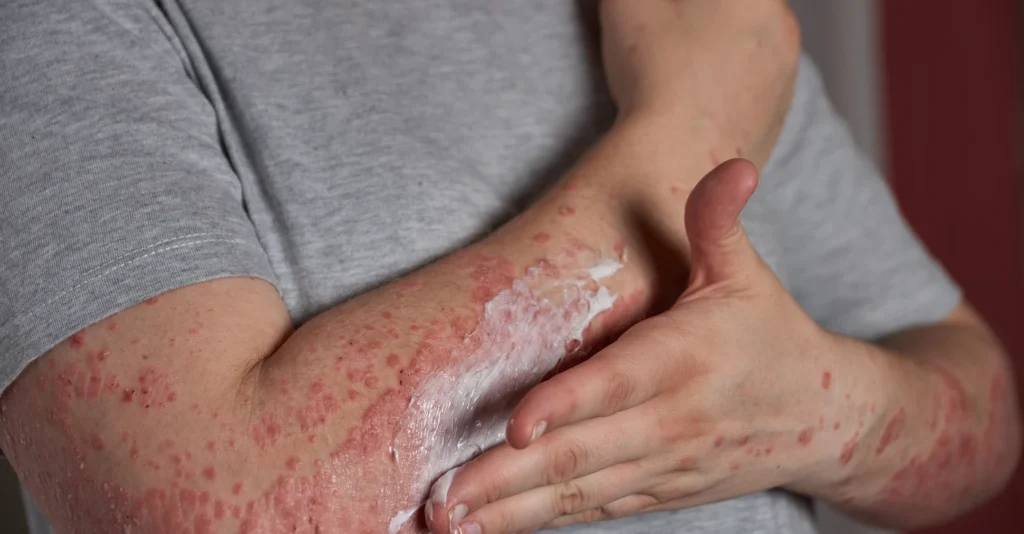
Heat rash appears as clusters of small red or skin-colored bumps, sometimes resembling tiny blisters. It can itch or feel prickly and often develops in areas prone to sweating, such as the heat rash on arms, heat rash on legs, heat rash on face, heat rash on chest, or skin folds like armpits.
Can Heat Rash Spread?
Yes, heat rash can spread to nearby areas if the skin remains hot and sweaty, but it is not contagious. Continued exposure to heat and friction can make the rash appear in multiple regions. Prompt cooling and keeping the skin dry can prevent further spread.
When Heat Rash Is An Emergency?
Heat rash is usually mild, but urgent care is needed if symptoms worsen or complications arise. Severe cases can indicate infection or deeper inflammation. Signs include:
- Foul-smelling discharge or pus from the rash.
- Fever along with the rash.
- Severe pain, swelling, or redness.
- Rash covering large areas or penetrating deeper layers of skin.
If these signs appear, contact the STAT Specialty Hospital Blogs or your healthcare provider immediately.
Heat Rash Treatments
Treatment focuses on relieving discomfort, reducing inflammation, and preventing further sweat accumulation. Mild cases often resolve with simple skin care, while more severe cases may require targeted interventions.
- Over-The-Counter Anti-Itch Creams: Calamine lotion or low-strength hydrocortisone creams reduce itching and inflammation associated with heat rash.
- Cool Compresses and Baths: Applying cool clothes or taking cool showers helps lower skin temperature and calm irritation.
- Loose, Breathable Clothing: Cotton or moisture-wicking fabrics minimize sweat buildup and friction, preventing worsening of the rash.
- Topical Antihistamines: Creams or oral antihistamines can reduce itchiness for those experiencing heat hives or allergic-like reactions.
- Avoiding Heat Exposure: Resting in air-conditioned or shaded areas lowers sweat production and speeds recovery.
- Preventive Skincare Measures: Keeping skin dry, patting gently rather than rubbing, and avoiding greasy lotions prevent sweat duct blockage.
Expert Care For Heat Rash At STAT Specialty Hospital
How Long Does Heat Rash Last? It can vary, but persistent or severe cases may require medical attention to prevent infection or complications. If your rash is spreading, painful, or accompanied by fever, seeking professional care ensures proper evaluation and timely treatment.
At STAT Specialty Hospital, our medical team provides comprehensive outpatient care for heat rash, including assessment, topical treatments, cooling therapies, and guidance on prevention. Early intervention supports faster relief, protects skin health, and helps you return to comfort quickly.