
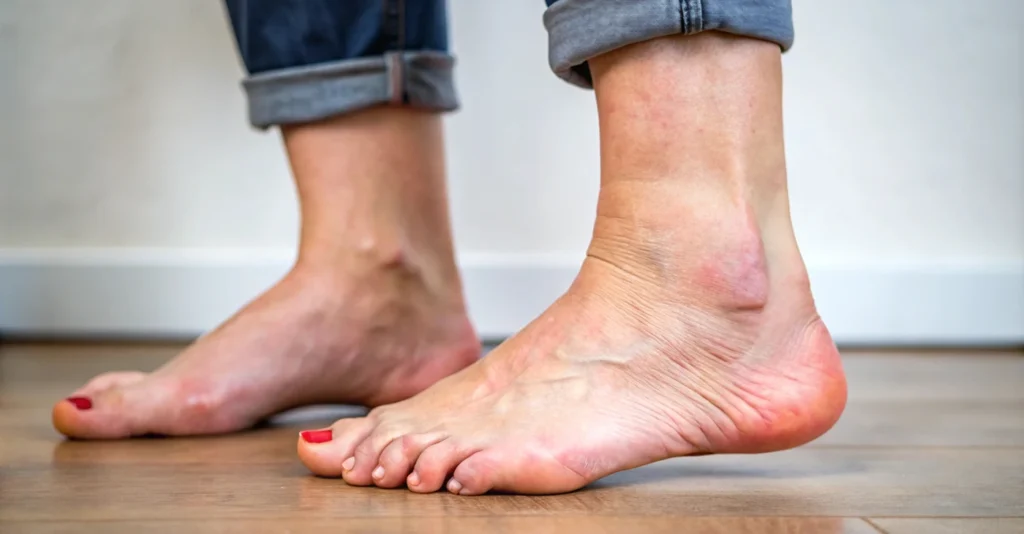
Swelling in the feet is a common issue that affects people of all ages. What Is The Cause Of Swelling In The Feet can range from temporary lifestyle factors to underlying medical conditions. Identifying the root cause is crucial for proper treatment and relief. Regularly monitoring your feet for swelling patterns can help detect potential health issues early before they worsen.
Persistent foot swelling can affect mobility, comfort, and overall quality of life. Visit our Del Rio emergency room, we can help diagnose underlying causes quickly and provide timely treatment, especially when swelling is accompanied by other concerning symptoms. Staying informed ensures you can manage and prevent further complications.
Why Do Feet Swell?
Feet swell when excess fluid builds up in the tissues of the feet, ankles, or legs. This can occur due to lifestyle habits, temporary physical stress, or underlying health conditions. Swelling can range from mild puffiness to more noticeable and uncomfortable swelling, depending on the cause. Swelling in the feet is common, especially among older adults. According to a study published by the National Institutes of Health, about 19% to 20% of adults over 50 experience foot or ankle swelling, highlighting the importance of monitoring and early care.
What Does Swelling of Feet Indicate?
Swelling in the feet can signal either a minor issue or a more serious health problem. Paying attention to accompanying symptoms is key.
Indications Include
- Edema: Fluid accumulation in the tissues of the feet and ankles.
- Infection: Redness, warmth, and tenderness may indicate infection.
- Blood Clot: Swelling in one leg may be a sign of a clot in the veins.
- Heart or Kidney Issues: Persistent swelling may point to organ-related problems.
- Lymphedema: Chronic swelling due to lymphatic system blockage.
What Causes Feet to Swell
Swelling in the feet can result from various factors that affect circulation, fluid balance, or tissue health. While some causes are temporary and harmless, others require medical attention. Understanding these causes can guide effective treatment and prevention.
1. Injury or Trauma
Sprains, fractures, or strains can damage blood vessels and surrounding tissues in the feet. The body responds with inflammation and fluid buildup, causing noticeable swelling. Even minor injuries can result in swelling lasting several days. Proper rest, elevation, and medical evaluation for severe injuries are essential to prevent long-term complications.
2. Pregnancy
Hormonal changes and increased blood volume during pregnancy often lead to swelling in the feet during pregnancy. Swelling is usually more pronounced in the later stages and can affect both feet and ankles, sometimes causing discomfort when walking or standing. Maintaining a balanced diet and gentle exercise can help reduce the intensity of swelling during pregnancy.
3. Heart Disease
Reduced heart efficiency can impair circulation, causing fluids to accumulate in the lower extremities. This results in swollen feet and ankles, particularly at the end of the day or after physical activity. If left untreated, it may indicate underlying heart issues. Monitoring blood pressure and consulting a cardiologist can help manage swelling associated with heart conditions.
4. Kidney or Liver Disorders
Impaired kidney or liver function can disrupt the body’s fluid balance. Excess water and sodium can accumulate in the tissues, resulting in swelling in the feet, ankles, and legs. Other symptoms may include fatigue, changes in urination, or abdominal swelling. Regular medical check-ups and early detection of organ dysfunction can help prevent worsening edema.
5. Medication Side Effects
Certain medications, including steroids, blood pressure drugs, and hormone therapies, can cause fluid retention. Swelling may present as swollen feet or swollen ankles and often improves after medication adjustments under a doctor’s guidance. Consulting your physician before changing or stopping medications is critical to safely manage swelling.
6. Infections
Local infections, such as cellulitis, can cause redness, warmth, and swelling in one or both feet. The inflammatory response increases fluid buildup in the affected area, sometimes making the foot tender or painful. Prompt antibiotic treatment and proper wound care can prevent the infection from spreading and worsening swelling.
Are Swollen Feet Dangerous?
Yes, swollen feet can be dangerous if the swelling is sudden, severe, or accompanied by other symptoms. While many cases are mild, persistent or one-sided swelling may indicate serious underlying conditions. Ignoring prolonged swelling can increase the risk of chronic pain, skin irritation, and long-term mobility issues.
When Is It an Emergency?
Swelling in the feet can sometimes signal a serious underlying problem that requires urgent medical attention. Watch for the following warning signs:
- Sudden swelling in one leg, including the left foot, or the swollen right foot.
- Severe pain, redness, or warmth, which could indicate blood clots or infection.
- Shortness of breath or chest pain, potentially signaling heart-related issues.
- Fever with swollen feet and ankles, suggesting infection or inflammation.
If you experience any of these symptoms, or if they worsen, contact us immediately at STAT Specialty Hospital for expert emergency care. In children presenting with unusual or persistent swelling along with these warning signs, visiting an emergency room for pediatrics ensures they receive specialized evaluation and timely treatment appropriate for their age and condition.
Feet Swelling Treatment
Treatment for swelling in legs and feet depends on the underlying cause. Mild swelling may be managed with home remedies and lifestyle changes, while persistent or severe swelling requires professional care to prevent complications.
- How to Reduce Swelling in Feet
Lifestyle adjustments can help reduce swelling in the feet effectively. Elevating the feet, performing gentle exercises, and avoiding long periods of sitting or standing can improve circulation and fluid drainage. Wearing supportive footwear or compression socks can also help relieve swelling and discomfort. Incorporating regular stretching routines and mindful posture adjustments can further promote fluid movement and prevent accumulation.
- What to Drink to Reduce Swelling in Feet
Hydration and certain beverages can aid in reducing fluid retention and puffy pockets around the ankles. Drinking sufficient water flushes excess sodium from the body, while some drinks act as natural diuretics. Including drinks with anti-inflammatory properties can also help ease discomfort and support vascular health.
Recommended Drinks Include
- Water with lemon.
- Green tea.
- Dandelion tea.
- Coconut water.
- Cucumber-infused water.
Swollen Feet? STAT Specialty Hospital Offers Expert Care
Swollen feet and ankles can impact your daily life and may sometimes signal underlying health concerns that require attention. Understanding the cause of the swelling is essential for proper treatment and long-term relief. Timely intervention can prevent complications, restore mobility, and improve overall comfort. At STAT Specialty Hospital, our team offers comprehensive emergency care and expert assessment for all cases of foot and ankle swelling. Using advanced diagnostics and personalized treatment plans, we address the root causes, guide lifestyle adjustments, and provide medical interventions when needed. Prompt care ensures you stay active, comfortable, and confident in your health.