
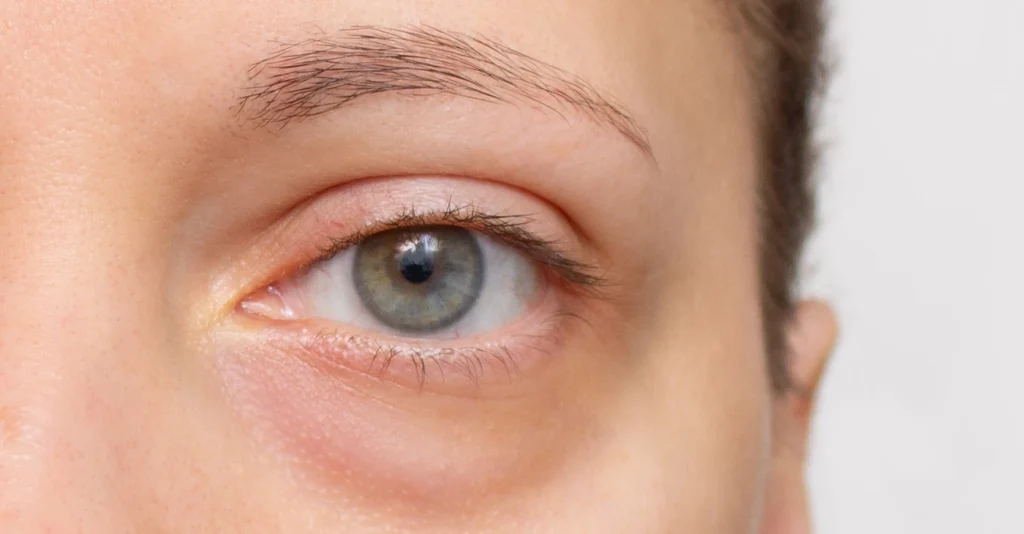
Swelling under one eye can be frustrating and uncomfortable, affecting both your appearance and confidence. Many people notice puffiness first thing in the morning or after minor irritation, and it can become a source of worry, especially if it persists. Simple daily activities, such as applying makeup or reading, may feel more challenging, adding to the stress of everyday life.
If the puffiness is persistent, painful, or accompanied by changes in vision, visiting our Eagle Pass emergency room ensures fast evaluation and compassionate care. Our team identifies the issue, provides relief, and prevents further complications, helping patients regain comfort and peace of mind.
Causes of Swelling Under One Eye
Swelling under one eye can result from several common, non-medical factors. These triggers are usually temporary but may make the eyelid appear puffy or tender. Seasonal changes, especially the cold, dry winter months, lifestyle habits, and minor irritations often play a significant role in noticeable under-eye puffiness.
1. Allergic Reactions
Winter allergies can cause one eyelid to swell, often due to indoor triggers like dust mites, mold, or pet dander. Histamines released during allergic reactions lead to fluid buildup, resulting in a puffy eyelid. People with sensitive skin may also notice itchiness, tearing, or mild redness, which worsens in dry indoor environments heated during the winter months. Using hypoallergenic creams and keeping windows closed during high-allergen days can help reduce puffiness.
2. Insect Bites
Even in winter, indoor pests such as spiders or bedbugs can bite near the eye, causing swelling, redness, and mild irritation. Typically, only one eye is affected. Bites near the eyelid edges or tear ducts can also cause temporary tearing, and the swelling may last longer in colder months due to dry skin. Watch for signs of infection, such as pus or spreading redness, which require medical attention.
3. Trauma or Injury
Minor bumps, scratches, or accidents near the eye can trigger localized swelling under one eyelid. Fluid buildup and bruising make the eyelid appear tender and puffy. Cold winter air can sometimes make the skin stiffer and more prone to bruising, so using a cold compress promptly after injury can help reduce puffiness. Repeated trauma may lead to chronic under-eye swelling over time.
4. Fluid Retention
High salt intake, dehydration, or hormonal fluctuations can cause fluid to accumulate under one eye. During winter, indoor heating often dehydrates the skin, making puffiness more noticeable. Elevating the head during sleep and maintaining proper hydration can help fluid drain naturally. Monitoring diet and sleep patterns can prevent recurring swelling.
5. Lack of Sleep
Insufficient sleep often results in puffiness under one eye and darker, thinner skin beneath the eyelid. Cold winter nights and disrupted sleep schedules may worsen under-eye swelling. Stress and fatigue intensify the effect. Gentle lymphatic massage and cool compresses can improve circulation and reduce puffiness.
6. Crying
Tears can temporarily swell one eyelid, especially if one tear duct is more active. During winter, dry indoor air can make eyes more sensitive, causing them to water more easily and increasing temporary puffiness. Gently patting the eyelid, using a cool compress, and moisturizing the under-eye area can reduce puffiness faster and prevent irritation.
Medical Conditions Causing One Swollen Eye
Persistent or painful swelling may indicate an underlying medical condition. In fact, a systematic review of periocular necrotizing fasciitis found that 73.7% of cases had unilateral swelling, highlighting how swelling in just one eye can sometimes signal a serious issue. Prompt evaluation at our Eagle Pass emergency room is recommended if symptoms worsen.
- Blepharitis: Inflammation of the eyelid margins, causing redness, irritation, and swelling in the puffy eye.
- Chalazion: A blocked oil gland at the base of the eyelashes, forming a firm, painless lump under one eye.
- Conjunctivitis (Pink Eye): Infection or inflammation of the eye lining, causing redness, discharge, and puffiness in one eye.
- Stye: Bacterial infection of an eyelash follicle or oil gland, resulting in a small, painful bump on the eyelid.
- Orbital Cellulitis: Severe infection of tissues around the eyeball, causing rapid swelling, redness, and pain; requires immediate treatment.
- Thyroid Eye Disease: Autoimmune disorder causing swelling or bulging of one eye, often starting asymmetrically.
- Oedema Periorbital: Fluid accumulation around the eye due to systemic issues like kidney or heart problems, leading to noticeable puffiness.
When Is It an Emergency?
While most causes are minor, urgent medical evaluation is needed for:
- Sudden, Severe Swelling: Swelling of the puffy eye accompanied by pain or changes in vision may indicate a serious underlying issue that requires immediate attention.
- High Fever or Infection Signs: Swelling along with fever, redness, or warmth around the eye can signal an infection that needs prompt treatment.
- Trauma or Injury: Severe bruising, cuts, or a black eye from an accident can lead to complications and should be evaluated by a medical professional.
- Rapidly Worsening Puffiness: If the swelling increases quickly over hours, it could indicate an underlying infection or allergic reaction that requires urgent care.
- Difficulty Moving the Eye or Blurred Vision: Impaired eye movement or vision changes with swelling are warning signs that require immediate medical attention.
If these symptoms occur in children, prompt evaluation at an emergency room for pediatrics is important to ensure specialized assessment and timely treatment tailored to pediatric patients. If you notice any of these symptoms or if your swelling worsens, contact STAT Specialty Hospital immediately for fast and expert care.
How to Treat Swelling Under One Eye
Treatment depends on the cause. Minor puffiness may improve with home remedies, while persistent or severe swelling requires medical attention.
- Cold Compress: Reduces fluid buildup and soothes the eyelid.
- Elevation During Sleep: Promotes natural drainage from the swollen area.
- Allergy Medications: Antihistamines can relieve swelling from seasonal indoor allergies.
- Lifestyle Adjustments: Reduce salt intake, stay hydrated, and maintain regular sleep.
Medication
- Topical Anti-inflammatories: Reduce irritation and puffiness from minor injuries or allergies.
- Oral Antihistamines: Effective for one eye puffy and swollen due to allergies.
- Prescription Antibiotics: Used for bacterial infections like stye, conjunctivitis, or orbital cellulitis.
Cosmetic Procedures
- Dermal Fillers or Botox: Correct persistent under-eye puffiness.
- Laser Therapy: Tightens skin and reduces mild swelling around one eye.
- Blepharoplasty (Eyelid Surgery): Removes excess skin or fat for chronic puffiness.
Treat Under-Eye Swelling with STAT Specialty Hospital
Swelling under one eye can be uncomfortable and affect your daily life, appearance, and confidence. Identifying the cause, whether temporary or medical, is key to effective treatment and preventing complications. At STAT Specialty Hospital, our outpatient care provides thorough evaluation and personalized solutions for all cases of under-eye swelling. From minor puffiness to more serious conditions, our experts ensure proper treatment, guidance on lifestyle adjustments, and timely interventions so you can feel comfortable, confident, and back to your routine.