
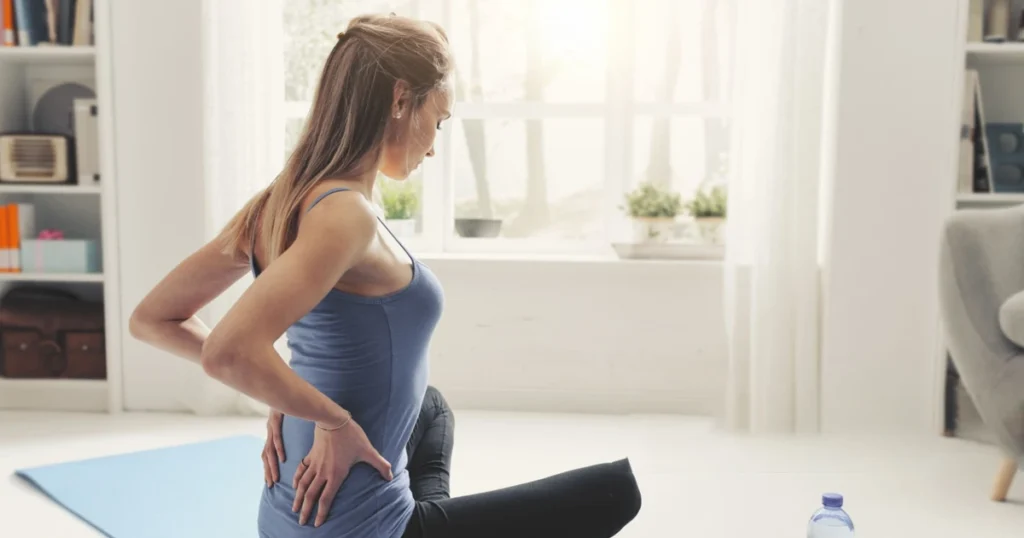
Back pain affects millions worldwide. The World Health Organization reports that about 619 million people will suffer from back pain in 2020. Whether it’s a dull ache, sharp sting, or stiffness after sitting for too long, back pain can significantly affect your daily life and sense of comfort. If not addressed early, it can lead to ongoing issues or limit movement.
In cases where back pain appears suddenly, becomes severe, or is accompanied by symptoms such as numbness, weakness, or loss of bladder control, immediate medical evaluation is important. Searching for the closest emergency room near me can help you quickly access urgent care and prevent potential complications.
At the emergency room in Eagle Pass, TX, patients experiencing sudden or chronic back pain receive comprehensive support from diagnostic imaging to targeted treatment plans and emergency care when needed. Our medical team is always ready to evaluate and treat serious cases promptly, ensuring you get fast relief, expert attention, and the compassionate care you deserve.
Stretches for Lower Back Pain
Gentle stretching is one of the most effective ways to ease lower back tension, improve flexibility, and prevent future pain episodes. Regularly performing these stretches helps loosen tight muscles, increase circulation, and support spinal health. Always move slowly and stop if you feel sharp or severe pain. Consistency is key — just a few minutes daily can make a significant difference in reducing stiffness and improving posture.
1. Cat-Cow Stretch
This yoga-inspired stretch improves spinal mobility and relieves stiffness.
How to do it: Start on your hands and knees. Inhale as you arch your back and lift your head (Cow Pose), then exhale as you round your spine and tuck your chin (Cat Pose).
Benefit: Enhances flexibility in the spine and gently massages your back muscles, reducing stiffness and improving posture. It also increases blood flow between the vertebrae and promotes relaxation, making it a perfect warm-up stretch before physical activity.
2. Child’s Pose
A relaxing full-back stretch that targets the lower spine and hips.
How to do it: Kneel on the floor, sit back on your heels, and stretch your arms forward with your forehead touching the ground.
Benefit: Lengthens the spine, relieves tension in the lower back, and promotes deep relaxation. This pose also helps calm the nervous system and gently opens up tight hip muscles, making it ideal for people who sit for long hours.
3. Knee-to-Chest Stretch
A simple move that helps release pressure from the lumbar spine.
How to do it: Lie on your back with knees bent. Pull one knee toward your chest while keeping the other foot on the floor, then switch legs.
Benefit: Relieves tightness in the lower back and improves circulation to spinal discs. Holding the stretch for a few seconds while breathing deeply helps ease tension and supports spinal flexibility, providing a soothing effect on strained muscles.
4. Piriformis Stretch
This stretch targets the small piriformis muscle that can irritate the sciatic nerve.
How to do it: Lie on your back, cross one ankle over the opposite knee, and gently pull your thigh toward your chest.
Benefit: Helps reduce sciatic pain and ease discomfort radiating from the lower back to the legs. It also enhances hip mobility and releases deep muscle tightness, which often contributes to nerve compression and chronic pain.
5. Pelvic Tilt
A low-impact stretch that strengthens and relaxes lower back and abdominal muscles.
How to do it: Lie flat on your back, knees bent, feet on the floor. Tighten your abs and push your lower back gently into the ground, hold for 5 seconds, then release.
Benefit: Improves spinal stability and supports posture alignment. Practicing this stretch regularly helps strengthen your core muscles, which play a vital role in supporting your lower back and preventing future injuries.
Exercises for Lower Back Pain – Strength & Mobility
Applying lower back pain exercises supports long-term spine health by building strength, improving flexibility, and enhancing posture. These exercises strengthen key muscle groups that protect your spine and reduce the risk of recurring pain.
Core Strength Exercises
Planks, Bird Dogs, and Supine Marches help build deep core muscles that support the spine. A strong core means fewer strain-related pains in your lumbar region.
Consistently working on your core also stabilizes your pelvis and lower back, making everyday movements like standing, lifting, or walking more controlled and pain-free. These exercises also help correct imbalances caused by prolonged sitting or poor posture. Gradually increasing intensity helps maintain spine alignment and prevent future discomfort.
Posterior Chain Training
Exercises like Glute Bridges and Supermans strengthen the back, glutes, and hamstrings, key areas for spinal support. A strong posterior chain reduces load on the lower back and promotes better body mechanics.
Training these muscles enhances overall balance, improves posture, and minimizes stress on the lumbar discs. It also boosts mobility during physical activities such as climbing stairs or lifting objects. Over time, these movements reinforce your lower back’s endurance and make it more resistant to fatigue.
Movement Pattern Drills
Hip Hinges and Bodyweight Good Mornings teach safe bending and lifting mechanics, reducing the risk of injury. These drills enhance functional strength and lower back resilience.
Practicing correct movement patterns improves coordination and body awareness, making your spine less vulnerable during sudden or heavy motions. These exercises also encourage flexibility in the hips and hamstrings, relieving tension that often transfers to the back. Regular training ensures smoother, safer movement in both workouts and daily routines.
Perform 2–3 sets of 8–15 reps, 3–4 times a week, while maintaining proper form and controlled motion. Combined, these exercises for lower back pain help relieve existing discomfort, restore mobility, and build strength to prevent future episodes.
Lower Back Pain and Physiotherapy
Partnering with a qualified physiotherapist can significantly amplify your back recovery and long-term health. With lower back pain and physiotherapy, the focus is on individualized assessment, corrective movement patterns, and functional rehabilitation. A physiotherapist will guide you through proper exercise technique, posture correction, and gradual progression from stretching and mobility to strengthening and dynamic movements. The result: personalised care that supports sustainable relief and return to activity.
Lower Back Pain Relief – Daily Strategies
To maximize lower back pain relief, it’s essential to combine exercise with small but effective lifestyle adjustments. These daily habits can ease stiffness, reduce inflammation, and prevent your pain from coming back over time.
Hot & Cold Therapy
Use heat to relax tense muscles and improve blood flow, which helps soothe stiffness and chronic pain. Cold packs are ideal for reducing inflammation and swelling after sudden flare-ups or injuries. Alternating between heat and cold can provide faster relief, especially after physical activity or a long day of sitting.
Over-the-Counter Remedies
Medications like NSAIDs (ibuprofen, naproxen) or acetaminophen can provide short-term relief from pain and inflammation. Always follow dosage instructions and consult a healthcare provider before long-term use. These remedies are most effective when combined with stretching, strengthening exercises, and rest.
Ergonomic Adjustments
An ergonomic workspace can make a huge difference in managing back pain. Adjust your chair height so your feet rest flat on the floor and your screen is at eye level to maintain proper posture. Using lumbar support and taking regular breaks to stand or stretch can prevent muscle fatigue and strain from sitting too long.
Stay Active
Low-impact exercises like walking, swimming, or cycling improve circulation and strengthen core and back muscles without putting extra pressure on the spine. Staying active also helps maintain flexibility and reduces stiffness caused by inactivity. Even 20–30 minutes of daily movement can enhance your overall spinal health and long-term pain control.
Start Your Recovery Journey at STAT Specialty Hospital
At STAT Specialty Hospital, we understand how lower back pain can limit your daily life and affect your ability to stay active. Our team focuses on helping patients regain comfort and confidence through personalized outpatient care that targets the root cause of pain, not just the symptoms. With expert guidance from our specialists, you can learn effective movement patterns, safe exercises, and sustainable recovery habits designed to restore mobility and function.
Our outpatient physiotherapy and pain management programs provide a supportive environment where healing is continuous and convenient. Whether your goal is to manage chronic discomfort, recover from an injury, or prevent future strain, our team is here to help you move forward stronger, steadier, and pain-free. Take the first step today and let STAT Specialty Hospital guide your journey to lasting relief and better spine health.