
If you start sneezing, rubbing your itchy eyes, or dealing with a stuffy nose every fall, you may wonder what is triggering these uncomfortable symptoms. Ragweed pollen is a common cause of seasonal allergies and can make everyday activities harder.
Ragweed is a flowering weed that releases tiny pollen grains into the air, which can trigger allergic rhinitis, watery eyes, coughing, and asthma symptoms in sensitive people. If symptoms become severe, especially with wheezing or trouble breathing, prompt medical attention is important at our emergency room in Eagle Pass.
What Does Ragweed Look Like?
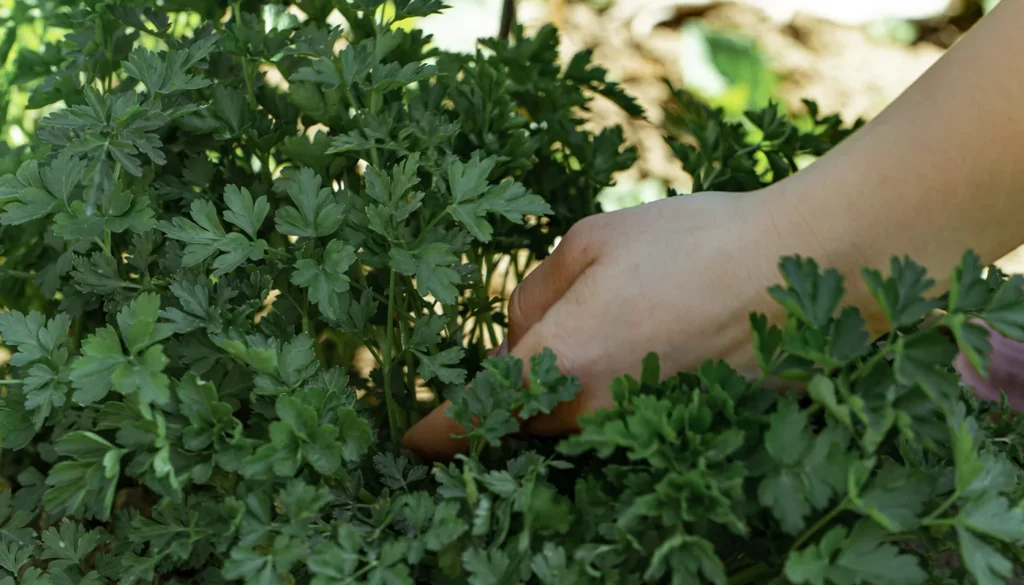
Ragweed is a green, branching weed with small, inconspicuous flowers that can be easy to overlook, while its leaves vary by species and may appear deeply divided or lobed. Common ragweed is usually shorter with finely divided leaves, whereas giant ragweed can grow several feet tall with larger, three-lobed leaves.
The plant produces abundant pollen that becomes airborne during its flowering season, making it a significant seasonal allergen. One U.S. study found that 15.6% of participants had ragweed-specific IgE, indicating sensitization to this pollen.
Types Of Ragweed
Ragweed belongs to the Ambrosia genus, which includes several species that produce allergenic pollen. While they can look different and grow in different regions, their pollen may trigger similar symptoms, including sneezing, nasal congestion, itchy eyes, and coughing.
- Common Or Short Ragweed: Ambrosia artemisiifolia is the most widespread ragweed species and a major source of seasonal allergy symptoms. It is typically a smaller, branching plant with finely divided, fern-like leaves.
- Giant Ragweed: Ambrosia trifida is much taller than common ragweed and has large leaves, often divided into three prominent lobes. Its pollen can trigger allergic rhinitis, itchy or watery eyes, and asthma symptoms.
- Western Or Perennial Ragweed: Ambrosia psilostachya is a perennial species that spreads through underground roots and is more common in western regions. Its leaves are generally less finely divided than those of common ragweed.
- False Ragweed: Ambrosia acanthicarpa is another ragweed species found mainly in drier western regions. Like other ragweed species, its airborne pollen can contribute to seasonal allergic reactions.
If ragweed or other seasonal allergies cause severe symptoms, visit our ER for allergy in Eagle Pass for prompt medical evaluation.
What Causes A Ragweed Allergy?
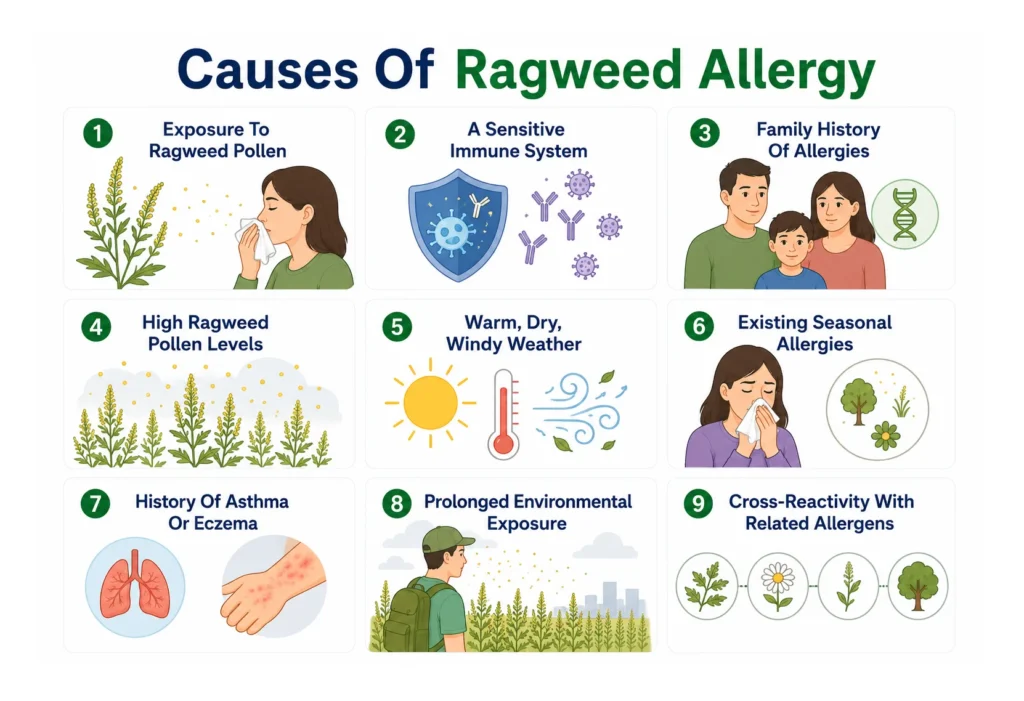
A ragweed allergy develops when your immune system mistakenly treats ragweed pollen as a harmful substance, triggering inflammation and uncomfortable symptoms. This can leave you dealing with sneezing, nasal congestion, itchy or watery eyes, coughing, or worsening asthma during pollen season. Several factors can increase your likelihood of becoming sensitized or experiencing stronger reactions.
Exposure To Ragweed Pollen
Breathing in airborne ragweed pollen is the direct trigger for a ragweed allergy. Once inhaled, the pollen can activate an immune response in people who are sensitized to its allergens. Because ragweed pollen is lightweight and windborne, exposure can occur even when you are not near the plant.
A Sensitive Immune System
People with allergies have immune systems that overreact to substances that are generally harmless. With ragweed allergy, the immune system recognizes specific proteins in the pollen as a threat and produces an allergic response. This reaction releases chemicals such as histamine, causing sneezing, itching, congestion, and a runny nose.
Family History Of Allergies
Having close family members with allergies can increase your likelihood of developing allergic rhinitis. This inherited tendency can make the immune system more likely to react to environmental allergens. A family history does not guarantee a ragweed allergy, but it can increase your susceptibility.
High Ragweed Pollen Levels
Higher amounts of ragweed pollen in the environment can increase exposure for people who are sensitive to it. When pollen levels rise, symptoms such as sneezing, nasal congestion, itchy eyes, and coughing may become more noticeable. Avoiding outdoor exposure during peak pollen periods can help reduce symptoms.
Warm, Dry, Windy Weather
Weather conditions can influence how much pollen remains airborne. Hot, dry, and windy conditions can help ragweed pollen spread through the air, increasing exposure. Sensitive people may notice more intense allergy symptoms when pollen levels are elevated.
Existing Seasonal Allergies
People who already have seasonal allergies may be more likely to develop sensitivity to additional airborne allergens. If you react to other pollen, ragweed may trigger similar symptoms during its pollen season. Multiple allergies can also make seasonal symptoms more persistent or difficult to identify.
History Of Asthma Or Eczema
A history of allergic conditions such as asthma or eczema may indicate a greater tendency toward allergic reactions. People with ragweed allergy and asthma can experience increased coughing, wheezing, chest tightness, or shortness of breath when exposed to pollen. Significant breathing difficulty requires prompt medical attention.
Prolonged Environmental Exposure
Repeated exposure to ragweed pollen gives sensitized individuals more opportunities to develop symptoms during allergy season. Ragweed pollen can travel through the air and reach areas far from where the plants grow. Therefore, avoiding direct contact with the plant does not always prevent exposure.
Cross-Reactivity With Related Allergens
Some ragweed allergens can cross-react with proteins found in other plants, particularly certain related pollens. This can contribute to overlapping allergic reactions in sensitized individuals. Allergy testing may help identify which specific allergens are responsible for recurring symptoms.
Dangerous Ragweed Allergy Symptoms
Most ragweed allergies cause uncomfortable but manageable symptoms such as sneezing, congestion, and itchy eyes. However, symptoms involving the lower airways can become serious, particularly in people with asthma. Seek urgent medical attention if symptoms rapidly worsen or breathing becomes difficult.
- Severe Shortness Of Breath: Difficulty breathing or feeling unable to get enough air can indicate a serious asthma flare or allergic reaction.
- Severe Wheezing: Persistent or worsening wheezing, especially with breathing difficulty, should not be ignored.
- Chest Tightness: Significant pressure or tightness in the chest may occur when ragweed pollen triggers asthma.
- Difficulty Speaking: Being unable to speak normally because you are struggling to breathe is an emergency warning sign.
- Swelling Of The Lips, Tongue, Or Throat: Sudden swelling can interfere with the airway and requires immediate medical attention.
- Rapidly Worsening Symptoms: Allergy symptoms that escalate quickly, particularly when multiple body systems are affected, can signal a severe reaction.
- Dizziness Or Fainting: Lightheadedness, weakness, or loss of consciousness alongside an allergic reaction can indicate a dangerous systemic response.
- Bluish Lips Or Skin: Blue or gray discoloration can indicate inadequate oxygen and requires emergency care.
If you experience any of these severe symptoms, seek immediate medical attention at an ER near me, especially if breathing difficulties are worsening.
When To Go To The ER
Most ragweed allergy symptoms are uncomfortable but manageable. However, severe breathing problems or rapid swelling can become dangerous quickly and require immediate emergency care.
- Severe Trouble Breathing: Struggling to breathe or gasping for air requires immediate care.
- Severe Wheezing: Persistent or worsening wheezing may signal a serious asthma attack.
- Throat, Tongue, Or Lip Swelling: Sudden swelling can block the airway.
- Difficulty Speaking Or Swallowing: These can indicate serious airway problems.
- Fainting Or Severe Dizziness: These may signal a dangerous allergic reaction.
- Bluish Or Gray Skin: This can indicate dangerously low oxygen levels.
- Rapidly Worsening Symptoms: Severe symptoms that worsen quickly need emergency evaluation.
How Do You Get Rid Of Ragweed?
If ragweed is growing around your home, removing it can help reduce pollen exposure and limit future growth. The most effective approach depends on the plant’s size, growth stage, and how widespread the infestation is. Removing ragweed before it flowers or produces seeds is especially helpful.
- Pull Ragweed By Hand: For small infestations, pull young plants out by the roots before they flower or produce seeds. Wear gloves and remove as much of the root as possible.
- Mow Before Flowering: Mowing before flowering can reduce pollen and seed production. Repeated mowing may be needed because ragweed can regrow after cutting.
- Prevent Seed Production: Remove ragweed before it develops mature seeds. Preventing new seeds from entering the soil can help reduce future growth.
- Maintain Healthy Ground Cover: Keeping grass and other desirable plants healthy can reduce bare areas where ragweed can establish. Regularly monitor disturbed soil for new growth.
- Use Herbicides Carefully: Larger infestations may require an appropriate herbicide. Choose a product labeled for ragweed and follow its safety and application instructions carefully.
- Check For Regrowth: Inspect previously affected areas regularly for new plants. Some ragweed species can regrow, so repeated removal may be necessary.
STAT Specialty Hospital For Ragweed Care
Ragweed exposure can cause uncomfortable allergy symptoms, including persistent sneezing, congestion, itchy eyes, coughing, and breathing problems. If your symptoms are worsening or interfering with your daily activities, timely medical evaluation at our 24/7 emergency room can help determine the right treatment and prevent complications.
At STAT Specialty Hospital, our experienced emergency physicians can evaluate what is ragweed, assess your symptoms, and provide appropriate care based on your condition. If you develop severe wheezing, difficulty breathing, throat swelling, or rapidly worsening symptoms, seek emergency care without delay.
Key Takeaways
- Ragweed is a wind-pollinated weed that releases pollen capable of triggering seasonal allergies.
- Ragweed pollen can cause sneezing, runny or stuffy nose, itchy eyes, coughing, and asthma symptoms.
- Common and giant ragweed are among the species responsible for significant pollen exposure.
- Removing ragweed before it flowers can help reduce pollen and prevent future growth.
- Severe breathing difficulty, throat swelling, or rapidly worsening symptoms require immediate medical attention.