
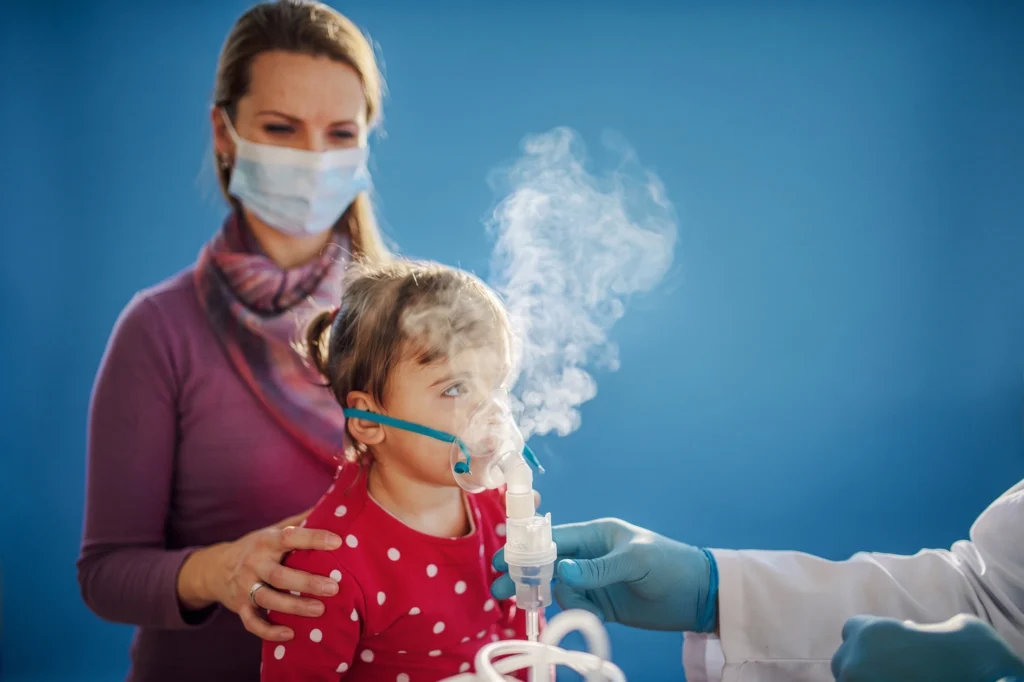
Watching your child or a loved one struggle with coughing, congestion, or trouble breathing can be frightening, especially when symptoms seem to worsen overnight. While many respiratory illnesses look similar at first, RSV is one virus that deserves special attention because it can become serious in certain people.
What is RSV? Respiratory syncytial virus (RSV) is a highly contagious virus that affects the nose, throat, and lungs. Most healthy children and adults recover within 1 to 2 weeks with supportive care, but infants, older adults, and people with weakened immune systems have a higher risk of severe complications like bronchiolitis or pneumonia. Our Laredo emergency room provides prompt evaluation and treatment for severe RSV symptoms and respiratory complications.
What Causes RSV?
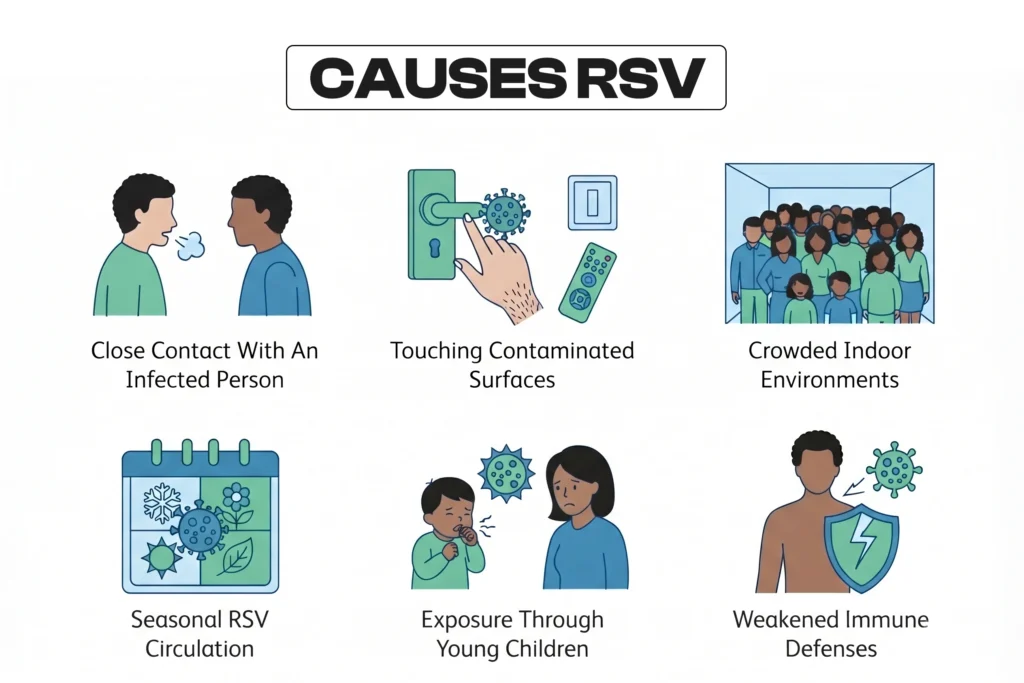
RSV spreads easily from person to person and is one of the most common causes of respiratory infections worldwide. While anyone can catch the virus, certain situations and everyday exposures make infection much more likely. Understanding what causes RSV and how it spreads can help you take steps to protect yourself and your family, especially young children, older adults, and those with weakened immune systems.
Close Contact With An Infected Person
The most common cause of RSV infection is close contact with someone who is already carrying the virus. RSV spreads through tiny respiratory droplets released when an infected person coughs, sneezes, talks, or even breathes at close range. Family members, caregivers, classmates, and coworkers can unknowingly spread the virus before symptoms become severe.
Touching Contaminated Surfaces
RSV can survive for several hours on frequently touched surfaces such as doorknobs, toys, countertops, phones, and tabletops. A person can become infected by touching these contaminated objects and then rubbing their eyes, nose, or mouth. Regular handwashing and disinfecting shared surfaces can significantly reduce the risk of transmission.
Crowded Indoor Environments
Crowded places such as daycare centers, schools, offices, shopping centers, and public transportation make it easier for RSV to spread. When many people share enclosed spaces, respiratory droplets can quickly pass from one person to another. This is one reason RSV outbreaks commonly occur in childcare settings and healthcare facilities.
Seasonal RSV Circulation
RSV infections are more common during the fall, winter, and early spring in many regions. During these seasons, people spend more time indoors where viruses spread more easily through close contact. Seasonal increases in RSV cases often lead to community outbreaks that affect both children and adults.
Exposure Through Young Children
Infants and young children frequently catch RSV because their immune systems are still developing, and they have close contact with other children. They can also bring the virus home and unintentionally spread it to siblings, parents, grandparents, or other caregivers. This household transmission is a common source of RSV infections.
Weakened Immune Defenses
People with weakened immune systems, chronic heart or lung disease, or advanced age are more susceptible to RSV infection and severe illness. Their bodies may have greater difficulty fighting off the virus after exposure, increasing the likelihood of lower respiratory tract infections and complications that require medical attention.
RSV Symptoms That Need Medical Attention
Although many RSV infections improve with rest and supportive care, some symptoms may indicate that the infection is becoming severe or affecting the lungs. Infants, older adults, and people with underlying medical conditions are at the highest risk. Seek immediate medical attention if you notice any of the following:
- Difficulty breathing or shortness of breath.
- Rapid, shallow, or labored breathing.
- Wheezing that is persistent or worsening.
- Blue or gray lips, face, or fingernails (a sign of low oxygen).
- High fever, especially in infants or older adults.
- Severe or persistent cough that interferes with breathing.
- Chest pain or tightness.
- Extreme fatigue, unusual drowsiness, or difficulty waking up.
- Poor feeding, refusing to eat, or signs of dehydration in infants.
- Dry mouth, crying without tears, or significantly fewer wet diapers.
- Confusion, dizziness, or reduced alertness.
- Symptoms that worsen after initially improving or last longer than expected.
If RSV symptoms include a persistent or high fever, visit an ER for high fever in Laredo for prompt evaluation and treatment.
RSV Test
Because RSV symptoms closely resemble those of the common cold, influenza, COVID-19, and other respiratory infections, a healthcare provider may recommend testing to confirm the diagnosis. Identifying the virus can help determine the most appropriate treatment plan, especially for infants, older adults, and people at risk of severe complications. Early testing is particularly important when symptoms are severe or worsening, or when hospitalization may be needed.
- Rapid Antigen Test: This quick nasal swab test detects RSV proteins and can provide results within minutes. It is commonly used in clinics, emergency departments, and pediatric settings to diagnose RSV in patients with respiratory symptoms.
- PCR (Polymerase Chain Reaction) Test: PCR is the most accurate RSV test and detects even very small amounts of the virus from a nasal or throat swab. It is often recommended for hospitalized patients or when a highly sensitive diagnosis is needed.
- Multiplex Respiratory Panel: This molecular test checks for RSV along with other respiratory viruses, such as influenza and COVID-19, using a single sample. It helps healthcare providers identify the exact cause of respiratory illness when symptoms overlap.
- Viral Culture: Although used less frequently because results take longer, a viral culture can confirm RSV by growing the virus in a laboratory. It is primarily used for research or specific clinical situations rather than routine diagnosis.
- Pulse Oximetry: While it does not diagnose RSV directly, pulse oximetry measures blood oxygen levels using a small sensor placed on the finger or toe. It helps determine whether RSV is affecting breathing and if oxygen therapy or emergency care is needed.
RSV Vaccine For Adults
RSV can cause serious illness in older adults, especially those with chronic heart or lung disease, weakened immunity, or other medical conditions. Vaccination helps lower the risk of severe infection, hospitalization, and complications. Your healthcare provider can determine if the RSV vaccine is right for you.
- Who Should Get The RSV Vaccine: Adults aged 75 and older should receive an RSV vaccine. Adults aged 60 to 74 with certain health conditions or risk factors may also benefit.
- How The RSV Vaccine Works: The vaccine trains your immune system to fight RSV, reducing the risk of severe illness and hospitalization even if infection occurs.
- When To Get Vaccinated: It is best to receive the RSV vaccine before the RSV season begins, usually in late summer or early fall.
- Common Side Effects: Mild soreness, fatigue, headache, or muscle aches are the most common side effects and usually resolve within a few days.
- Who Should Talk To A Doctor First: People with a history of severe allergic reactions or specific medical concerns should consult their healthcare provider before vaccination.
RSV Vaccine For Babies
Babies are at the highest risk of severe RSV because their lungs and immune systems are still developing. Preventive immunization can greatly reduce the risk of hospitalization and serious breathing problems during the first RSV season. Your pediatrician can recommend the best option for your baby.
- Maternal RSV Vaccine: Vaccination during pregnancy passes protective antibodies to the baby, helping prevent severe RSV in the first months of life.
- RSV Antibody Immunization: Babies may receive a long-acting antibody that provides protection throughout the RSV season, especially during their first year.
- Who Needs Protection: Most infants younger than 8 months and some high-risk toddlers may qualify for RSV preventive immunization.
- When It Is Given: Protection is usually provided before or during the RSV season to maximize effectiveness.
- Safety And Side Effects: RSV preventive immunization is generally safe, with mild injection-site redness or soreness being the most common side effects.
When To Go To The ER
Most RSV infections can be managed at home with rest, fluids, and symptom relief. However, RSV can quickly become life-threatening, especially in infants, older adults, and people with chronic heart or lung disease or weakened immune systems. Do not delay emergency care if breathing problems or other severe symptoms develop.
- Difficulty breathing or severe shortness of breath.
- Rapid, labored, or noisy breathing.
- Blue or gray lips, face, or fingernails.
- Chest pain or persistent wheezing.
- High fever that does not improve or is accompanied by lethargy.
- Signs of dehydration, such as very few wet diapers, dry mouth, or inability to keep fluids down.
- Extreme drowsiness, confusion, or difficulty waking up.
- Symptoms that suddenly worsen after initially improving.
- Any infant younger than 3 months with a fever or breathing difficulties.
If you are experiencing these warning signs and searching for an emergency room near me, seek immediate medical attention to prevent serious RSV complications.
STAT Specialty Hospital For RSV Care
If you or your loved one develops severe RSV symptoms such as difficulty breathing, a persistent high fever, blue lips, or signs of dehydration, seek emergency care immediately. With an average ER wait time of just 4 minutes, STAT Specialty Hospital provides rapid RSV evaluation, on-site diagnostic testing, and prompt treatment from board-certified emergency physicians available 24/7 to help prevent serious complications.
From oxygen therapy and IV fluids to advanced care for RSV-related complications such as bronchiolitis and pneumonia, STAT Specialty Hospital is equipped to provide fast, compassionate emergency care. Our experienced team is committed to delivering timely treatment for both children and adults, helping you recover safely and with confidence.
Key Takeaways
- RSV is a common respiratory virus that usually causes mild cold-like symptoms but can lead to serious illness in infants, older adults, and people with weakened immune systems.
- The virus spreads easily through respiratory droplets, close contact with infected individuals, and contaminated surfaces, making good hygiene essential.
- Seek immediate medical attention if RSV causes trouble breathing, blue lips, dehydration, persistent high fever, or symptoms that rapidly worsen.
- RSV testing and preventive vaccines help diagnose infection and reduce the risk of severe illness in eligible adults, pregnant individuals, and babies.
- Early medical evaluation is important for high-risk patients, as prompt treatment can help prevent complications such as bronchiolitis, pneumonia, and respiratory failure.
Frequently Asked Questions
How Long Is RSV Contagious?
People with RSV are typically contagious for 3 to 8 days. However, infants, young children, and people with weakened immune systems can continue spreading the virus for several weeks, even after they start feeling better.
How Long Does RSV Last?
Most RSV infections resolve within 1 to 2 weeks with supportive care. While fever and congestion usually improve first, a lingering cough may persist for several weeks, especially in infants and older adults.
Can Adults Get RSV?
Yes. Adults can get RSV at any age, even after previous infections. Most healthy adults develop mild cold-like symptoms, but older adults and those with chronic medical conditions are more likely to experience severe respiratory illness.
How Long Does RSV Vaccine Last?
RSV vaccines are designed to provide protection throughout a single RSV season, which is approximately one year. Researchers continue to study the duration of immunity and whether additional doses may be needed in the future.
How Is RSV Spread?
RSV spreads through respiratory droplets when an infected person coughs, sneezes, or talks. You can also become infected by touching contaminated surfaces and then touching your eyes, nose, or mouth, or through close contact with someone who has RSV.