
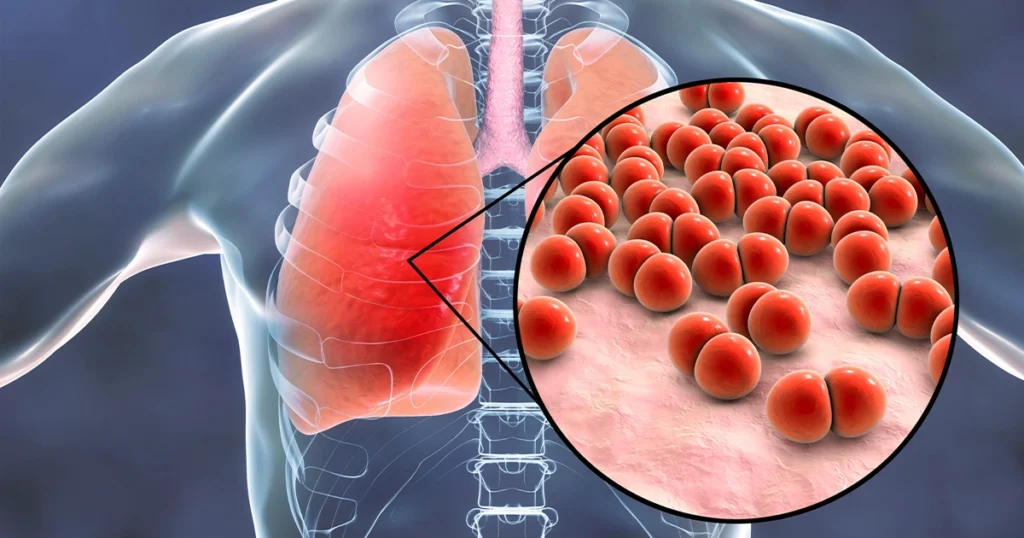
Walking pneumonia usually lasts 1 to 3 weeks, but cough and fatigue can linger for up to a month or longer in some individuals. How Long Does Walking Pneumonia Last depends on factors like age, immune strength, overall health, and how soon treatment begins, but most people gradually recover with proper care.
This milder form of pneumonia develops slowly and may initially feel like a stubborn cold. Because symptoms are often subtle, many people delay seeking care, which can extend recovery time. At our Laredo emergency room, we frequently evaluate patients whose lingering cough or fatigue turned out to be walking pneumonia requiring medical attention.
What Does Walking Pneumonia Feel Like
Walking pneumonia often feels like a persistent cold that doesn’t fully resolve, marked by a dry cough, mild fever, sore throat, and ongoing fatigue. Many people remain active but feel unusually drained or short of breath with exertion. Chest discomfort may occur when coughing or taking deep breaths.
According to a meta-analysis of clinical studies indexed on PubMed, Mycoplasma pneumoniae, the bacterium that causes walking pneumonia, was detected in approximately 10.1% of community-acquired pneumonia cases, underscoring its role as a common atypical pneumonia pathogen.
Symptoms Of Walking Pneumonia
- Persistent Dry Cough: A lingering cough that may worsen at night and last for weeks. It is often non-productive but can occasionally produce small amounts of mucus.
- Low-Grade Fever: Mild fever, typically under 101°F (38.3°C), that may fluctuate rather than spike suddenly.
- Fatigue And Weakness: Ongoing tiredness that can persist even after other symptoms begin to improve.
- Chest Discomfort: Mild chest tightness or pain, especially when breathing deeply or coughing.
- Sore Throat And Headache: Early symptoms may resemble a common cold, making diagnosis less obvious at first.
How Long Does Walking Pneumonia Last With Antibiotics
With appropriate antibiotics, most commonly macrolides like azithromycin or doxycycline, as most doctors recommend, symptoms often begin improving within 48 to 72 hours. However, the full recovery period may still take 1 to 2 weeks, and the cough can persist longer due to airway inflammation. Completing the entire prescribed course is essential to prevent recurrence or antibiotic resistance.
How Long Does Walking Pneumonia Last Without Antibiotics
Without antibiotics, walking pneumonia can last 3 to 4 weeks or longer, particularly when caused by bacteria such as Mycoplasma pneumoniae. While mild cases may eventually resolve on their own, cough and fatigue often linger for several weeks. Delayed treatment may prolong lung inflammation and increase the risk of complications, especially in older adults, young children, or individuals with chronic health conditions.
Does Walking Pneumonia Go Away On Its Own
Yes, some mild cases can resolve without antibiotics, but recovery may take several weeks. Even if symptoms seem manageable, medical evaluation is important to confirm the diagnosis and rule out more severe pneumonia. Early care can shorten recovery time and reduce the likelihood of spreading infection to others.
How Is Walking Pneumonia Diagnosed
Diagnosing walking pneumonia starts with a careful assessment of symptoms and medical history. Because it develops gradually and mimics other respiratory infections, professional evaluation is important for accurate identification. Healthcare providers assess breathing patterns, oxygen levels, and overall risk factors before recommending further testing.
- Physical Examination: A provider listens to the lungs for abnormal sounds such as crackles or wheezing.
- Chest X-Ray: Imaging may reveal patchy lung inflammation not obvious through symptoms alone.
- Blood Tests: These can indicate signs of infection and help differentiate bacterial from viral causes.
- PCR Or Antibody Testing: Specific laboratory tests may identify Mycoplasma pneumoniae to guide targeted treatment.
When To Seek Emergency Care For Walking Pneumonia
Although walking pneumonia is generally mild, certain warning signs indicate the infection may be worsening or affecting oxygen levels. Prompt emergency care is essential if breathing becomes difficult or symptoms rapidly intensify. Children, older adults, pregnant individuals, and those with chronic lung or heart conditions are at higher risk for complications.
- Severe Shortness Of Breath: Difficulty breathing at rest or rapid, labored breathing.
- Chest Pain With Breathing: Sharp or worsening chest pain during inhalation or coughing.
- High Or Persistent Fever: Fever above 102°F (38.9°C) or lasting
more than three days. - Bluish Lips Or Fingertips: A possible sign of low oxygen levels.
- Confusion Or Extreme Drowsiness: Sudden mental status changes, especially in older adults.
- Symptoms That Suddenly Worsen: Increasing weakness, dehydration, or persistent vomiting.
How To Treat Walking Pneumonia
Treatment focuses on eliminating infection when bacterial, relieving symptoms, and supporting the body’s natural healing process. Most cases are managed at home, but close monitoring is important if symptoms worsen. Early medical guidance ensures appropriate therapy and reduces the risk of complications.
- Antibiotics: If bacterial, most doctors recommend macrolides (such as azithromycin) or doxycycline to effectively treat Mycoplasma pneumoniae.
- Over-The-Counter Fever And Pain Relievers: Most doctors recommend acetaminophen or ibuprofen to manage fever, headaches, and body aches.
- Cough Medications: Suppressants or expectorants may help control a persistent cough when used under medical advice.
- Rest And Hydration: Adequate sleep and fluid intake support immune function and recovery.
- Humidified Air: Using a humidifier can soothe irritated airways and ease coughing.
Care for Walking Pneumonia at STAT Specialty Hospital
At STAT Specialty Hospital, we provide comprehensive care for patients with walking pneumonia, ensuring timely evaluation and treatment tailored to individual needs. How Long Does Walking Pneumonia Last often depends on early intervention, overall health, and the type of care received. Our team offers both outpatient care for mild cases and inpatient care when close monitoring or advanced treatment is required.
Our specialists develop personalized care plans to help patients recover efficiently while managing symptoms like persistent cough and fatigue. With expert guidance, supportive interventions, and a comfortable environment, patients can improve respiratory health and regain strength safely under the supervision of our medical team at STAT Specialty Hospital.