
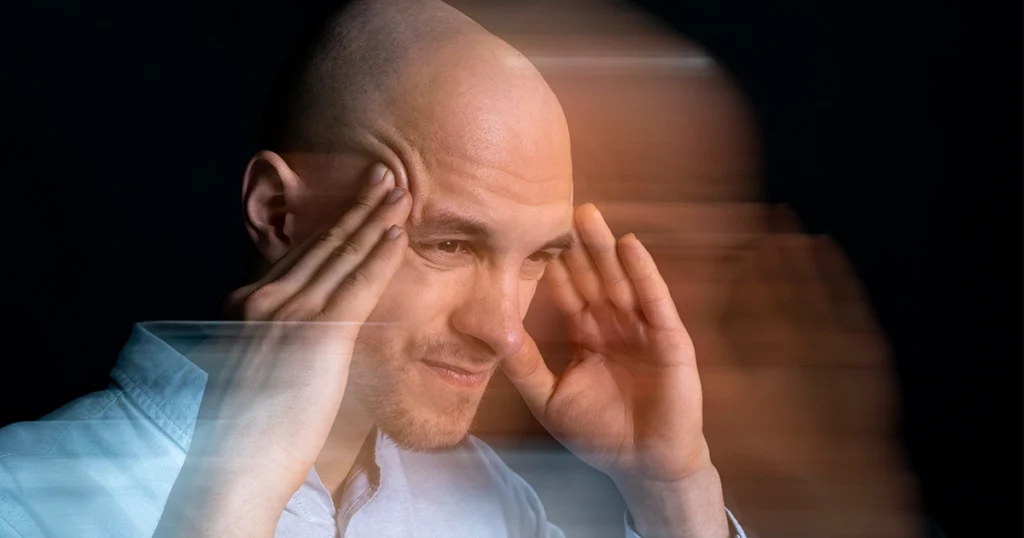
A stroke can happen without warning, turning an ordinary day into a medical emergency. Recognizing the Signs Of A Stroke early can mean the difference between a full recovery and lasting disability. Every moment matters, and knowing what to look for empowers you to act quickly and protect brain function.
At STAT Specialty Hospital, we understand how frightening stroke symptoms can feel for patients and their families. With compassionate inpatient care available in Laredo North, Laredo South, and Del Rio, our expert teams are ready 24/7 to provide rapid evaluation, advanced treatment, and ongoing support to help patients regain strength and independence.
What Is A Stroke
A stroke occurs when the blood supply to part of the brain is cut off or when a blood vessel in the brain bursts. This sudden loss of blood flow causes brain cells to begin dying within minutes, which can lead to lasting neurological damage, disability, or death if not treated quickly.
A study from the National Health Interview Survey showed that 68.3% of U.S. adults recognized all five key stroke symptoms in 2014, highlighting that awareness is improving but still needs continued education.
Stroke Symptoms
- Numbness or weakness in the face, arm, or leg, especially on one side of the body.
- Confusion, trouble speaking, or difficulty understanding speech.
- Trouble seeing in one or both eyes.
- Difficulty walking, dizziness, loss of balance, or coordination.
- Severe headache with no known cause.
What Are The Warning Signs Of A Stroke?
Warning signs of a stroke are critical indicators that the brain is not receiving enough blood and oxygen. Recognizing them early allows for immediate medical intervention, which can significantly reduce brain damage and improve recovery outcomes. While symptoms may vary depending on which part of the brain is affected, the presence of even one sign requires urgent attention.
1. Facial Drooping
Facial drooping occurs when one side of the face loses muscle control due to disrupted blood flow to the brain. The individual may struggle to smile evenly or close one eye. This asymmetry signals that areas of the brain controlling facial movement are affected, making it an important warning sign.
2. Arm Weakness
Weakness or numbness in an arm indicates that the stroke may be affecting motor control areas of the brain. Patients may have trouble raising or holding both arms evenly, and early detection of arm weakness helps emergency teams determine the type of stroke and start treatment quickly, which can prevent further damage.
3. Speech Difficulty
Speech problems may include slurred words, trouble finding the right words, or difficulty understanding others. These symptoms result from a disruption in brain areas responsible for language, and monitoring changes in speech can guide doctors in assessing which regions of the brain are affected, ensuring timely intervention to prevent permanent communication impairments.
4. Vision Changes
Vision changes, such as blurred vision, double vision, or partial loss of sight, occur when the stroke affects visual centers in the brain. Patients may also struggle with depth perception or coordination, and prompt recognition of visual disturbances can prevent accidents and support safer mobility during recovery.
5. Severe Headache
A severe headache, especially one that comes on suddenly and feels intense, may indicate a hemorrhagic stroke. It can be accompanied by nausea or vomiting, and tracking the onset and intensity of headaches helps clinicians differentiate stroke types for accurate and immediate treatment.
6. Dizziness Or Loss Of Balance
Dizziness, unsteady walking, or poor coordination can signal a stroke affecting the cerebellum or brainstem. Patients may stumble, sway, or feel spinning sensations, and early attention to balance problems can reduce fall risks and improve overall stroke recovery outcomes.
7. Confusion Or Trouble Understanding
Cognitive changes, including disorientation, memory lapses, or difficulty following instructions, occur when a stroke disrupts brain regions responsible for thinking. Confusion can appear even without physical weakness, and recognizing these cognitive changes early helps healthcare providers prioritize urgent interventions.
8. Numbness Or Loss Of Sensation
Numbness or tingling in the face, arm, or leg indicates that sensory pathways in the brain may be affected. This can occur with or without weakness and may progress to more severe motor issues, so early detection of sensory changes is critical to guide targeted rehabilitation strategies and prevent further neurological damage.
What To Do If You Suspect Someone Is Having A Stroke
If you suspect a stroke, act immediately. Stroke is a medical emergency, and early intervention is critical for recovery. Healthcare professionals often use the FAST method to identify stroke symptoms:
- F = Face Drooping – Does one side of the face droop or feel numb? Ask the person to smile. Is the smile uneven?
- A = Arm Weakness – Is one arm weak or numb? Ask the person to raise both arms. Does one arm drift downward?
- S = Speech Difficulty – Is speech slurred or hard to understand?
- T = Time To Call 911 – Stroke is an emergency. Every minute counts. Call 911 immediately.
If you suspect a stroke, contact STAT Specialty Hospital, with inpatient care available in Laredo North, Laredo South, and Del Rio, for expert, compassionate support and advanced monitoring to manage stroke recovery.
How To Treat A Stroke
Treating a stroke depends on its type and severity. Immediate care focuses on restoring blood flow to the brain, preventing further damage, and stabilizing the patient. After initial emergency treatment, rehabilitation can help regain function and reduce the risk of future strokes.
- Emergency Medications: Most doctors recommend tissue plasminogen activator for eligible ischemic stroke patients within a narrow time window to dissolve clots and restore blood flow.
- Antiplatelets & Anticoagulants: Most doctors recommend aspirin after ischemic stroke to prevent new clots. Anticoagulants may also be used in certain conditions to reduce stroke risk.
- Blood Pressure Management: Most doctors recommend strict blood pressure control with medications to reduce strain on blood vessels and lower stroke recurrence risk.
- Surgical Procedures: Carotid endarterectomy removes plaque buildup from arteries to reduce stroke risk. Mechanical thrombectomy removes large clots during acute strokes to restore blood flow.
- Rehabilitation Therapies: Post-stroke rehabilitation helps regain strength, coordination, and communication skills through guided therapy.
- Lifestyle & Supportive Measures: Most doctors recommend a heart-healthy diet, regular physical activity, and smoking cessation to reduce the risk of future strokes.
Expert Stroke Care At STAT Specialty Hospital
If you or a loved one is experiencing the Signs Of A Stroke, immediate evaluation is crucial. At STAT Specialty Hospital, our specialized team provides rapid assessments, advanced diagnostics, and tailored treatment plans to ensure the best possible outcomes. We prioritize early intervention to minimize brain damage and support recovery.
With comprehensive inpatient care available in Laredo and Del Rio, STAT Specialty Hospital offers continuous monitoring, rehabilitation guidance, and personalized support for stroke patients. Our compassionate approach helps patients regain independence and reduces the risk of future strokes through expert follow-up care.