
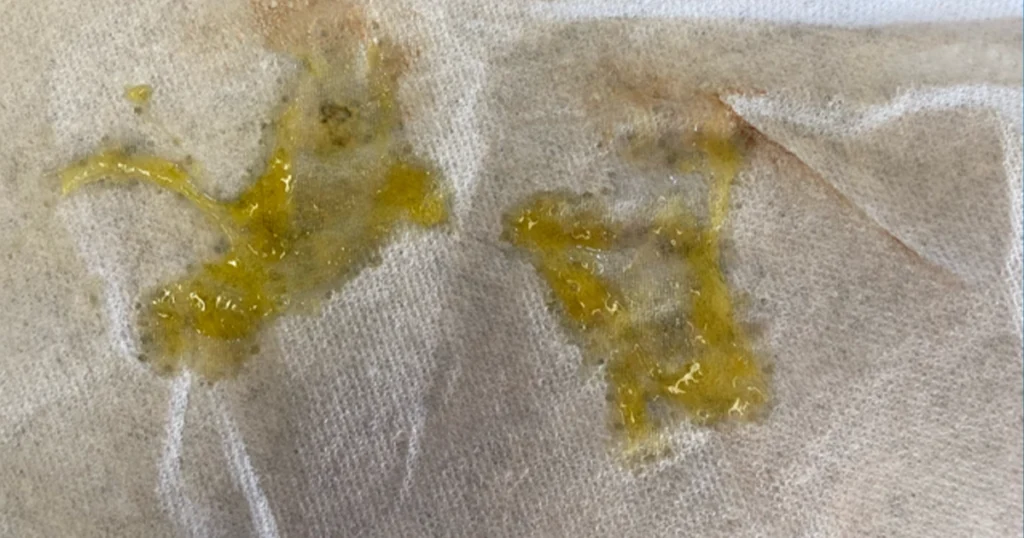
If you’ve ever wondered, “Why is my mucus yellow?”, you’re not alone. Noticing thick yellow mucus from the nose or yellow mucus from the throat can be concerning, but it often reflects your body’s immune system actively fighting infections or irritants. Understanding the meaning behind mucus color can help you decide when to take appropriate action.
Mucus protects your airways by trapping dust, bacteria, and viruses. When it turns yellow, it indicates that your immune system is mobilizing white blood cells to the affected area. In some cases, persistent or severe symptoms may require a visit to an emergency room in Del Rio for timely evaluation.
What Does It Mean When Mucus Is Yellow?
Yellow mucus usually signals that your immune system is actively responding to infection or inflammation in your nasal passages or airways. In a study of rhinovirus (common cold virus), about 50 % of adults developed colored nasal discharge (yellow or green) due to the influx of immune cells into the mucus, even without bacterial infection. This change in color reflects your body’s defense response as white blood cells accumulate.
What Does Yellow Mucus Indicate?
- Your body is fighting an infection, such as a viral cold or respiratory infection.
- Thick yellow mucus from the nose or throat is caused by immune cell activity.
- Allergic irritation leading to increased mucus production.
- Progression of a typical cold, where clear mucus turns yellow.
- Post-nasal drip carrying mucus down your throat.
Also Read: Why Is My Mucus Black
Causes of Yellow Mucus
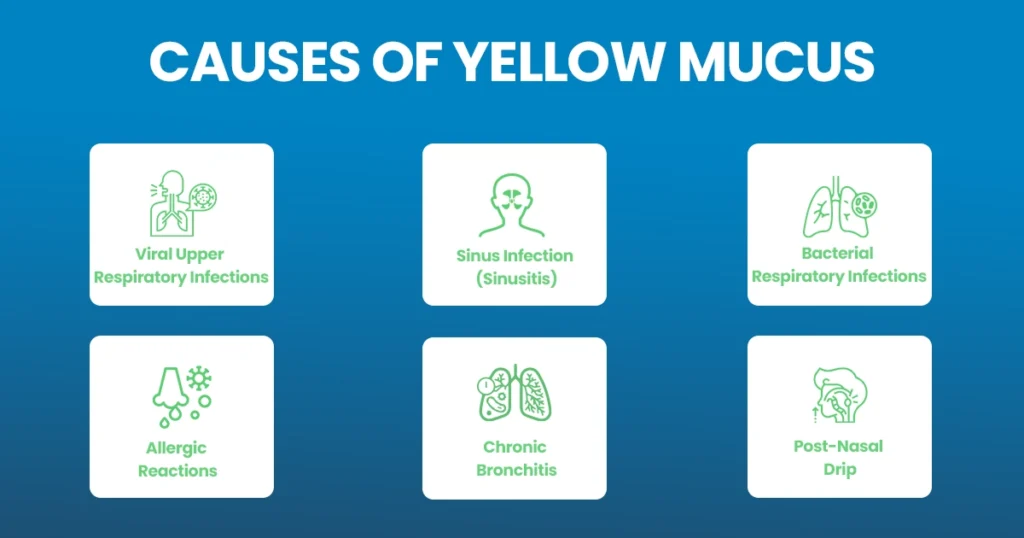
Yellow mucus occurs when your immune system responds to infections, irritants, or allergies. While often not serious, persistent or worsening yellow mucus can signal underlying conditions requiring attention. Below are the main causes:
Viral Upper Respiratory Infections
Viral infections, such as the common cold, are a frequent cause of yellow nasal phlegm or yellow mucus in the throat. White blood cells rush to the site of infection, mixing with mucus and causing it to thicken and turn yellow. Symptoms often include congestion, mild cough, and thick yellow mucus from the nose that may last several days.
Treatment
- Rest and hydration.
- Saline nasal sprays and steam inhalation.
- Over-the-counter expectorants like guaifenesin.
- Warm fluids to soothe the throat.
- Avoid smoke and other irritants.
Sinus Infection (Sinusitis)
Sinusitis occurs when the sinus cavities become inflamed, often leading to thick yellow or green mucus. This coloration comes from immune cells and trapped debris as the body combats bacteria or lingering viruses. Common symptoms include nasal congestion, facial pressure or pain, post-nasal drip, and mild fever. If untreated, sinus infections can last longer or develop complications, making prompt care important.
Treatment
- Saline nasal irrigation.
- Nasal corticosteroid sprays (e.g., fluticasone).
- Pain relief: acetaminophen or ibuprofen.
- Antibiotics if bacterial infection is confirmed.
- Adequate rest and hydration.
Bacterial Respiratory Infections
Bacterial respiratory infections can inflame the nasal passages and sinuses, producing thick yellow mucus as the immune system fights infection. Along with congestion and facial discomfort, patients may experience post-nasal drip, mild fever, or a general feeling of malaise. Early medical evaluation ensures proper treatment and reduces the risk of the infection worsening.
Treatment
- Antibiotics if bacterial infection is confirmed.
- Mucolytic agents (e.g., acetylcysteine).
- Steam inhalation to loosen mucus.
- Adequate hydration.
- Rest and supportive care.
Allergic Reactions
Allergies can irritate nasal passages, occasionally turning clear mucus into yellow phlegm color. Continuous exposure to allergens such as pollen, dust, or pet dander increases mucus production. Sneezing, itchy eyes, and post-nasal drip may also be present. Managing allergens and inflammation can restore normal mucus color.
Treatment
- Antihistamines (e.g., loratadine, cetirizine).
- Nasal saline irrigations.
- Nasal corticosteroids.
- Avoid allergens (pollen, dust, pets).
- Use air purifiers indoors.
Also Read: 5 Stages of Allergic Reaction
Chronic Bronchitis
Chronic bronchitis causes long-term inflammation in the airways, resulting in yellow mucus in the throat or thick yellow mucus from persistent coughing. Smokers and people exposed to long-term irritants are at higher risk. Mucus may become persistent or worsen during flare-ups, highlighting the need for proper management.
Treatment
- Smoking cessation.
- Bronchodilators.
- Pulmonary rehabilitation.
- Hydration to thin mucus.
- Inhaled corticosteroids if prescribed.
Post-Nasal Drip
Post-nasal drip occurs when mucus flows down the throat from the nasal passages, often appearing as yellow mucus from the throat. The color is due to trapped immune cells and debris in the mucus. It can cause throat irritation, coughing, and bad breath. Identifying the underlying cause, such as allergies or sinus infection, is key to relief.
Treatment
- Saline nasal rinse.
- Treat underlying allergies or sinus congestion.
- Elevate your head while sleeping.
- Stay hydrated.
- Decongestants as advised.
When Yellow Mucus Is an Emergency?
Most yellow mucus cases are mild, but certain signs indicate urgent care is necessary. Seek immediate medical attention if symptoms are severe, persistent, or worsening. Emergency signs include:
- Difficulty breathing or shortness of breath.
- High fever or confusion.
- Chest pain or rapid heartbeat.
- Heavy or persistent nasal blood mucus.
- Signs of dehydration or extreme fatigue.
If you experience these symptoms with thick yellow or green mucus, contact the STAT Specialty Hospital for prompt evaluation.
Yellow Mucus? Expert Care at STAT Specialty Hospital
If you’re asking, “Why is my mucus yellow?”, it could indicate an infection, allergy, or irritation that needs professional evaluation. At STAT Specialty Hospital, our medical team provides thorough assessments to identify the cause of your symptoms and recommend effective treatments for safe and speedy recovery.
Through personalized care, including both urgent and outpatient care, we help patients manage thick yellow mucus from their nose or throat, reduce inflammation, and restore normal respiratory function. With expert guidance, targeted therapies, and practical strategies, patients can relieve discomfort and prevent complications from recurring yellow mucus.