

Lower abdominal pain in females is a common concern, ranging from minor digestive issues to serious medical conditions. Pain may involve the reproductive system, gastrointestinal tract, or urinary organs, making proper evaluation essential. Our Laredo emergency room frequently sees patients with sudden or persistent discomfort, emphasizing the importance of accurate diagnosis and timely care.
Understanding the potential causes helps women recognize when medical attention is necessary and guides proper symptom management, ensuring overall health and preventing complications.
What Causes Lower Left Abdomen Pain in Females?
Pain in the lower left side of the abdomen can be alarming, as this area houses parts of the colon, reproductive organs, and urinary tract. Because multiple systems overlap here, identifying the exact cause requires careful evaluation. About 4.4% of sexually experienced U.S. women aged 18–44 report a lifetime history of diagnosed pelvic inflammatory disease (PID).
Gynecological Causes
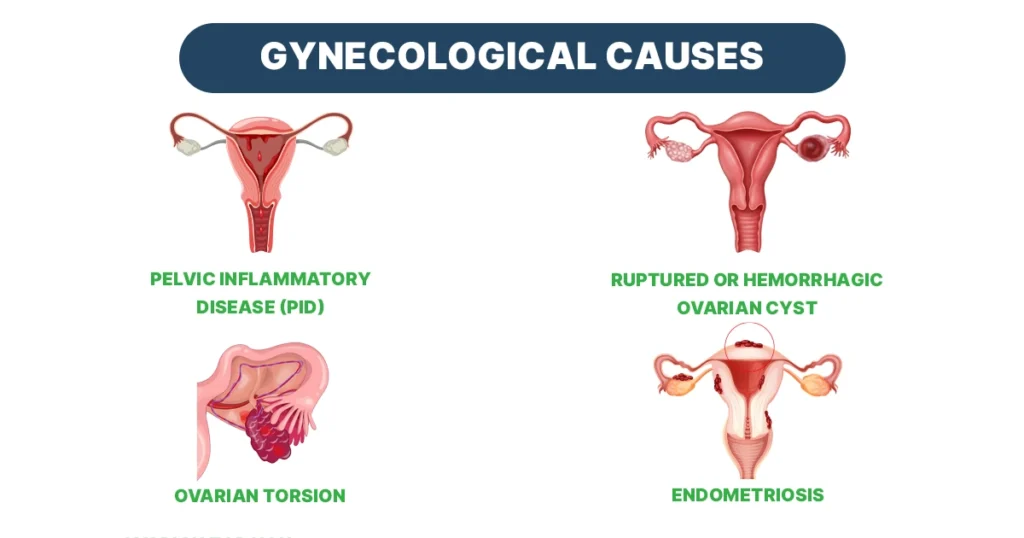
Gynecological conditions are a common source of left lower abdominal discomfort in women of reproductive age. Problems affecting the uterus, ovaries, or fallopian tubes can cause sharp, cramping, or dull ache pain. Early evaluation prevents complications, and diagnosis involves exams, imaging, and tests for proper management.
Pelvic Inflammatory Disease (PID)
PID is an infection of the upper female genital tract, often caused by bacteria like Chlamydia trachomatis or Neisseria gonorrhoeae. It can result in lower abdominal pain, tenderness, fever, and abnormal discharge. Prompt treatment is necessary to prevent long-term issues, including infertility and chronic pelvic pain.
Ruptured or Hemorrhagic Ovarian Cyst
Ovarian cysts are fluid-filled sacs on the ovaries that may rupture, causing sudden or sharp lower abdominal pain. Hemorrhagic cysts can lead to internal bleeding, cramping, and occasional dizziness or spotting. Early assessment helps rule out serious complications. Ultrasound imaging is often used to confirm the rupture and check for internal bleeding.
Ovarian Torsion
Ovarian torsion occurs when an ovary twists around its supporting ligaments, cutting off blood supply. This condition causes sudden, severe lower abdominal pain, often with nausea or vomiting, and is considered a gynecological emergency requiring immediate attention. Surgical intervention is usually required to untwist or remove the ovary to prevent tissue damage.
Endometriosis
Endometriosis involves uterine-lining tissue growing outside the uterus, commonly affecting the ovaries or pelvic lining. It can produce chronic or cyclical lower abdominal pain, cramping, and may impact fertility over time. Early recognition and management improve quality of life. Hormonal therapies or laparoscopic surgery can help reduce pain and manage the growth of endometrial tissue.
Gastrointestinal Causes
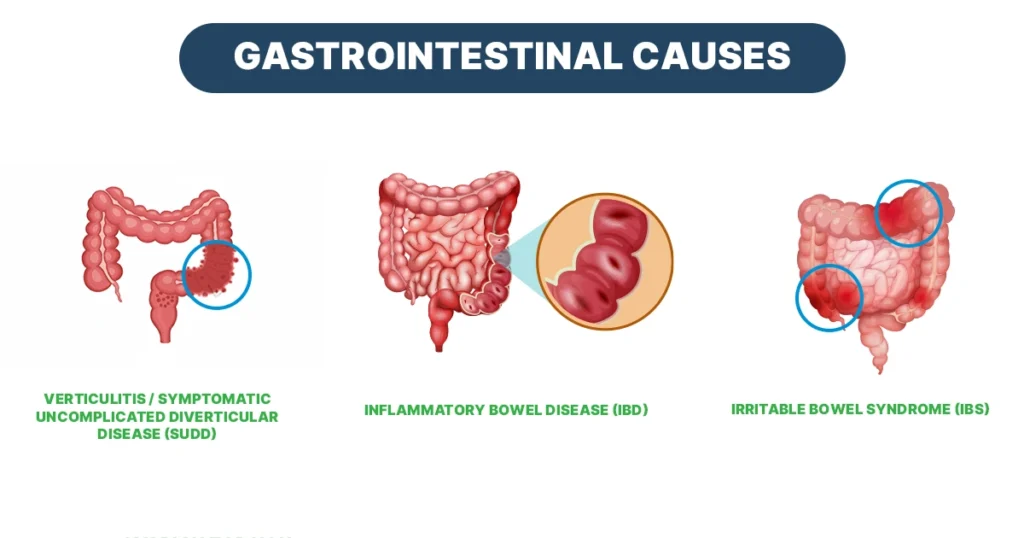
The gastrointestinal system frequently contributes to lower abdomen pain in females. Disorders involving the colon or bowel can produce left-sided discomfort, cramping, and changes in bowel habits. Symptoms may include bloating, discomfort after meals, or stomach pain at night. Accurate evaluation helps rule out issues and ensures timely treatment.
Diverticulitis / Symptomatic Uncomplicated Diverticular Disease (SUDD)
Diverticular disease occurs when small pouches form in the colon wall, most commonly in the sigmoid colon. When inflamed, these pouches can cause left lower abdominal pain, cramping, and constipation or diarrhea. Patients may notice bloating or a mild fever, and prompt treatment prevents complications like abscesses or perforation.
Irritable Bowel Syndrome (IBS)
IBS is a functional bowel disorder causing cramping, bloating, and intermittent pain on the left side of the pelvis. While it does not cause permanent damage, stress can worsen symptoms, sometimes triggering stress-related diarrhea. Dietary and lifestyle adjustments can help relieve discomfort and reduce episodes of diarrhea.
Also Read About: How To Stop Diarrhea Fast
Inflammatory Bowel Disease (IBD)
IBD, including Crohn’s disease and ulcerative colitis, leads to chronic intestinal inflammation. This can result in dull ache pain in the lower left abdomen, diarrhea, blood in stool, or fatigue. Early diagnosis and treatment help reduce complications and improve daily comfort. Monitoring and medications help control flare-ups and protect intestinal health.
Urinary Causes
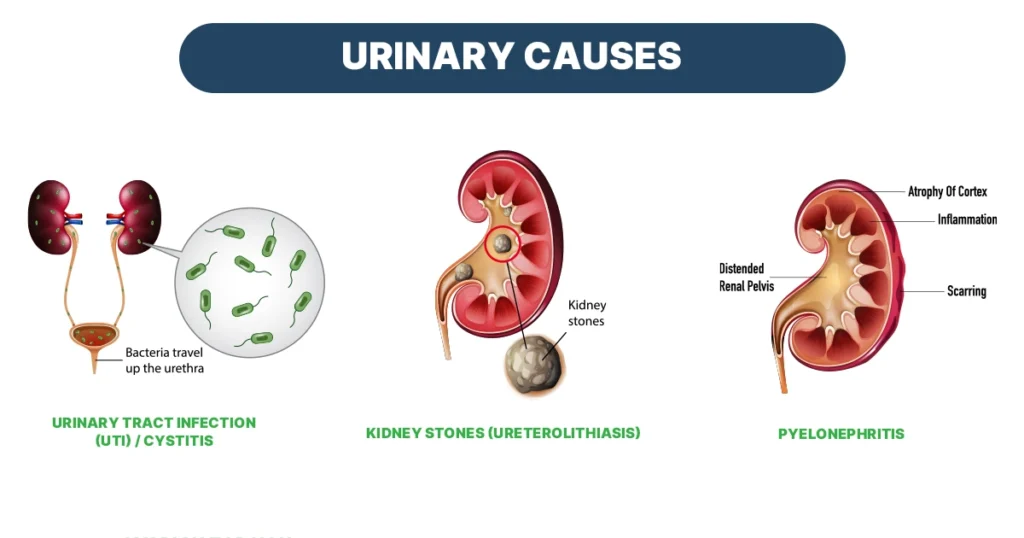
Urinary tract problems can cause lower abdominal discomfort that sometimes mimics gynecologic or bowel pain. The bladder, ureters, and kidneys are located near the pelvis, and conditions affecting these organs may produce dull or sharp pain. Accompanying urinary symptoms such as urgency, frequency, or burning help guide diagnosis.
Urinary Tract Infection (UTI) / Cystitis
Bladder infections may cause pain in lower left abdomen, frequent urination, urgency, and burning sensations. Early diagnosis and antibiotics prevent progression to the kidneys. Drinking plenty of water can help flush bacteria and support recovery. Avoiding irritants like caffeine and alcohol may reduce bladder discomfort.
Kidney Stones (Ureterolithiasis)
Kidney stones can lead to sudden, sharp pain in the lower left abdomen radiating to the groin. Blood in urine, nausea, or difficulty urinating may occur. Immediate evaluation is important to relieve obstruction and prevent kidney damage. Pain management and hydration are key during stone passage.
Pyelonephritis
Pyelonephritis, a kidney infection, may present as lower abdomen pain for women with fever, chills, nausea, or vomiting. Pain may radiate from the flank to the lower abdomen, sometimes resembling pelvic pain. Prompt antibiotic treatment is crucial to prevent sepsis and kidney injury. Follow-up tests ensure the infection is fully cleared and the kidneys are healthy.
When to See a Doctor
Lower abdominal pain should be evaluated if severe, persistent, or accompanied by other warning signs. Early medical attention allows accurate diagnosis and prevents complications affecting reproductive, digestive, or urinary health. Timely care ensures effective treatment and relief from discomfort.
- Sudden, severe, or worsening pain.
- Fever, vomiting, or unusual vaginal bleeding.
- Pain with urination or blood in urine.
- Signs of infection or pelvic inflammatory disease (discharge, tenderness).
- Pregnancy or suspected ectopic pregnancy.
- Pain lasting more than a few days or recurring frequently.
If you experience persistent or severe lower abdominal pain, cramping, or discomfort, contact STAT Specialty Hospital or your local emergency room immediately.
Lower Abdominal Pain Care at STAT Specialty Hospital
Lower abdominal pain in females can be distressing and affect daily life, comfort, and overall health. Understanding what causes lower abdominal pain in females is important for timely evaluation and effective inpatient care to prevent complications.
At STAT Specialty Hospital, our skilled team provides comprehensive inpatient assessment and treatments, helping patients relieve discomfort, restore function, and improve quality of life.