
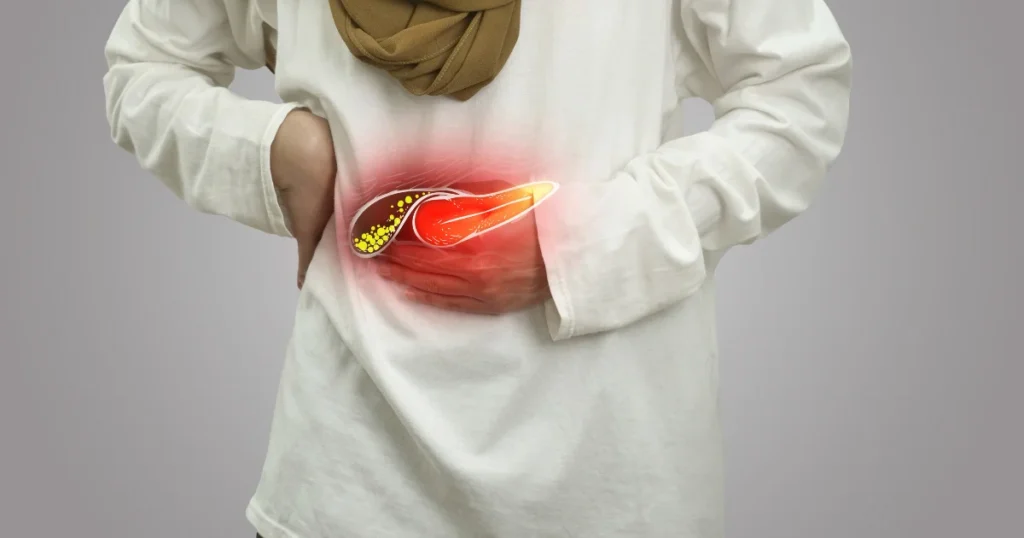
Experiencing sudden or unexplained discomfort after eating can be worrying, especially when you are unsure whether it is something minor or a sign of a more serious problem. If you are asking, what causes gallstones, knowing the factors that can contribute to gallstone formation can help you recognize when medical evaluation may be necessary. Gallstones can sometimes lead to complications when they interfere with the normal flow of bile.
If abdominal discomfort becomes severe, persistent, or occurs with vomiting, fever, chills, or yellowing of the skin or eyes, prompt medical attention is important. Emergency room Laredo TX can provide emergency evaluation when abdominal symptoms require immediate care. Do not ignore rapidly worsening pain or other warning signs, as a blocked bile duct can lead to serious complications.
What Are Gallstones?
Gallstones are hard, stone-like deposits that form inside the gallbladder when substances in bile, such as cholesterol or bilirubin, become imbalanced and crystallize. They can range from tiny particles to larger stones and may remain in the gallbladder without causing problems. Gallstones are common, with a 2024 systematic review and meta-analysis of more than 32.6 million people finding a 6.1% pooled global prevalence.
Dangerous Gallstones Symptoms
- Severe or persistent upper abdominal pain, especially pain in the upper right abdomen that lasts for several hours or becomes increasingly intense.
- Pain spreads to the back or right shoulder, which can occur during a gallbladder attack.
- Nausea and vomiting, particularly when they occur along with significant abdominal pain.
- Fever or chills, which may indicate inflammation or infection involving the gallbladder or bile ducts.
- Yellowing of the skin or eyes (jaundice), which can occur when a gallstone blocks the bile ducts.
- Dark or tea-colored urine, which may occur when bile flow is obstructed.
- Light-colored or clay-colored stools, which can be a sign that bile is not reaching the intestines normally.
- Severe abdominal tenderness or worsening pain, especially when accompanied by fever, vomiting, or jaundice, requires prompt medical evaluation.
Top Gallstones Causes
Gallstones do not usually develop from one single cause. They form when the normal balance or movement of bile in the gallbladder changes, allowing solid particles to develop and grow over time. Some factors can increase the likelihood of gallstone formation, while others affect how well the gallbladder empties.
Nausea And Vomiting
Gallstone attacks can cause nausea and vomiting, particularly when a stone blocks the normal flow of bile. The discomfort may occur after eating and can sometimes be severe enough to interfere with normal activities. If nausea is a prominent symptom, understanding the causes of nausea can help distinguish gallstone-related symptoms from other digestive problems.
Too Much Cholesterol In Bile
Most gallstones are cholesterol stones, which form when bile contains more cholesterol than it can keep dissolved. Excess cholesterol can crystallize and gradually form stones inside the gallbladder. This imbalance is particularly associated with obesity and certain metabolic conditions.
Too Much Bilirubin In Bile
Excess bilirubin can contribute to the formation of pigment gallstones. Bilirubin levels may rise when red blood cells are broken down more rapidly than normal or when certain liver or blood disorders affect its processing. Conditions such as hemolytic anemia and cirrhosis can therefore increase gallstone risk.
Gallbladder Does Not Empty Properly
When the gallbladder does not empty normally, bile can remain concentrated inside it for longer periods. This can promote the formation of crystals that gradually develop into gallstones. Once stones form, they may obstruct bile flow and trigger stomach pain, particularly during a gallbladder attack. Persistent or severe pain should be evaluated promptly.
Obesity
Being overweight or obese can increase the risk of developing gallstones. Extra body fat may be associated with higher cholesterol levels in bile and changes in gallbladder function. The risk can be particularly significant when excess weight is concentrated around the abdomen.
Rapid Weight Loss
Losing a large amount of weight quickly can increase the chance of developing gallstones. During rapid weight loss, the liver may release more cholesterol into bile, while the gallbladder may not empty as effectively. Very-low-calorie diets and rapid weight loss after bariatric surgery can therefore raise the risk.
Repeated Weight Loss And Regain
Repeatedly losing and regaining weight, sometimes called weight cycling, may increase the likelihood of gallstones. Significant changes in body weight can affect the composition of bile and gallbladder emptying. Maintaining a healthy weight through gradual, sustainable weight management may help reduce this risk.
Pregnancy And Higher Estrogen Levels
Pregnancy can increase the risk of gallstones because higher estrogen levels can increase cholesterol in bile. Hormonal changes may also reduce how effectively the gallbladder contracts and empties. Similar hormonal effects can occur with some forms of hormone replacement therapy and birth control pills.
Family History And Genetics
Having close family members with gallstones can increase your likelihood of developing them. Genetic factors may influence how the body processes cholesterol and how the gallbladder functions. A family history does not mean gallstones are certain, but it can contribute to an individual’s overall risk.
Diabetes And Insulin Resistance
Diabetes and insulin resistance are associated with a higher risk of gallstones. These metabolic changes can affect cholesterol metabolism and gallbladder function. People with diabetes may also have other risk factors, such as obesity or high triglyceride levels, that further increase the likelihood of gallstone formation.
High-Fat And Refined-Carbohydrate Diets
A diet high in calories and refined carbohydrates and low in fiber may increase the risk of developing gallstones, particularly when it contributes to excess weight or metabolic problems. Regularly choosing high-fiber foods and healthier sources of fat can support overall gallbladder health.
Liver Disease And Cirrhosis
Certain liver conditions, including cirrhosis, can increase the risk of gallstones. Liver disease can affect the production and processing of substances found in bile, including bilirubin. These changes may make it easier for pigment stones to develop in the gallbladder.
Hemolytic Anemia
Hemolytic anemia causes red blood cells to break down more rapidly than normal, which can increase the amount of bilirubin produced by the body. Excess bilirubin can enter bile and contribute to pigment gallstone formation. Conditions such as sickle cell disease are examples of hemolytic disorders associated with increased gallstone risk.
Crohn’s Disease And Intestinal Conditions
Certain intestinal diseases, including Crohn’s disease, can interfere with normal nutrient absorption and are associated with a higher risk of gallstones. Changes in bile acid circulation may contribute to this increased risk. Having an intestinal condition does not mean gallstones will develop, but it can be an important contributing factor.
When To Go To The ER For Gallstones
Most gallstones do not require emergency treatment when they cause no symptoms, but complications can develop when a stone blocks the bile ducts or causes inflammation or infection. Severe or persistent abdominal pain, especially when accompanied by fever, jaundice, repeated vomiting, or other concerning changes, should not be ignored.
- Severe abdominal pain that does not improve or continues to worsen.
- Fever or chills occurring with abdominal pain.
- Yellowing of the skin or whites of the eyes.
- Repeated vomiting prevents you from keeping fluids down.
- Severe tenderness or swelling in the abdomen.
- Confusion, fainting, unusual weakness, or difficulty staying awake.
- Dark urine or unusually pale stools occurring with abdominal pain or jaundice.
- Rapidly worsening symptoms or a sudden change in your condition.
If you are frightened by sudden or severe symptoms and unsure where to turn, searching for an ER near me can help you find emergency medical care without delaying evaluation.
How To Get Rid Of Gallstones
If gallstones are causing pain or other problems, it is natural to want fast and effective relief. Treatment depends on whether the stones cause symptoms, where they are located, and whether complications have developed. Some gallstones need no treatment, while symptomatic stones may require medication, a procedure, or surgery. Avoid delaying care when symptoms are severe.
- Watchful Waiting: Gallstones without symptoms often need no treatment and can simply be monitored.
- Gallbladder Removal: Laparoscopic surgery removes the gallbladder and is a common treatment for symptomatic gallstones.
- ERCP: This procedure can remove gallstones that have moved into the common bile duct and caused a blockage.
- Medication: Ursodiol may dissolve certain cholesterol stones, although treatment can take months and stones may return.
- Emergency Treatment: Complications such as infection, bile duct blockage, or pancreatitis may require urgent hospital treatment.
- Avoid Gallstone Cleanses: Gallbladder flushes are not proven to remove stones and may cause vomiting, diarrhea, or abdominal pain.
STAT Specialty Hospital For Gallstones Care
Gallstones can sometimes lead to serious complications, especially when they cause severe pain, infection, bile duct blockage, or pancreatitis. If you develop worsening abdominal pain, persistent vomiting, fever, chills, or yellowing of the skin or eyes, seeking emergency medical attention promptly is important.
At STAT Specialty Hospital, our 24/7 emergency room provides evaluation and treatment for patients experiencing gallstones and other urgent abdominal conditions. If your symptoms are severe or rapidly worsening, our emergency team can provide timely medical evaluation and care.
Key Takeaways
- Gallstones are hard deposits that form in the gallbladder from substances in bile.
- Common risk factors include excess cholesterol in bile, obesity, rapid weight loss, pregnancy, and family history.
- Many gallstones cause no symptoms, but blocked bile flow can cause severe pain and complications.
- Fever, jaundice, persistent vomiting, or worsening abdominal pain can require emergency care.
- Treatment may include monitoring, medication, ERCP, or gallbladder removal, depending on the situation.
- Severe or rapidly worsening symptoms should be evaluated promptly in an emergency room.
Frequently Asked Questions About Gallstones
What Does Gallstone Pain Feel Like?
Gallstone pain is often sudden and intense, usually felt in the upper right or upper middle abdomen. It may spread to the back or right shoulder and can last for several hours.
What Do Gallstones Look Like?
Gallstones are hard, pebble-like deposits that can vary in size. They may be yellow or greenish when made mostly of cholesterol, while pigment stones are typically dark brown or black.
Can You Pass Gallstones?
Small gallstones may sometimes pass through the bile ducts, but this can cause painful blockage or other complications. Gallstones trapped in the gallbladder generally do not simply pass through the digestive system.
Can Gallstones Kill You?
Gallstones can become dangerous if they cause complications such as gallbladder infection, bile duct obstruction, or pancreatitis. Severe pain, fever, jaundice, or persistent vomiting requires prompt medical attention.
Do Gallstones Go Away?
Gallstones usually do not disappear on their own. Some people have gallstones without symptoms and need no treatment, while recurring or complicated gallstones may require medical treatment or gallbladder removal.
How To Prevent Gallstones?
Maintaining a healthy weight, avoiding rapid weight loss, eating a balanced diet with adequate fiber, and staying physically active may help lower the risk of gallstones.
Are Gallstones Dangerous?
Gallstones may remain harmless when they cause no symptoms, but they can become serious if they block bile ducts or cause inflammation or infection. Seek urgent care for severe or worsening abdominal pain, fever, jaundice, or repeated vomiting.