
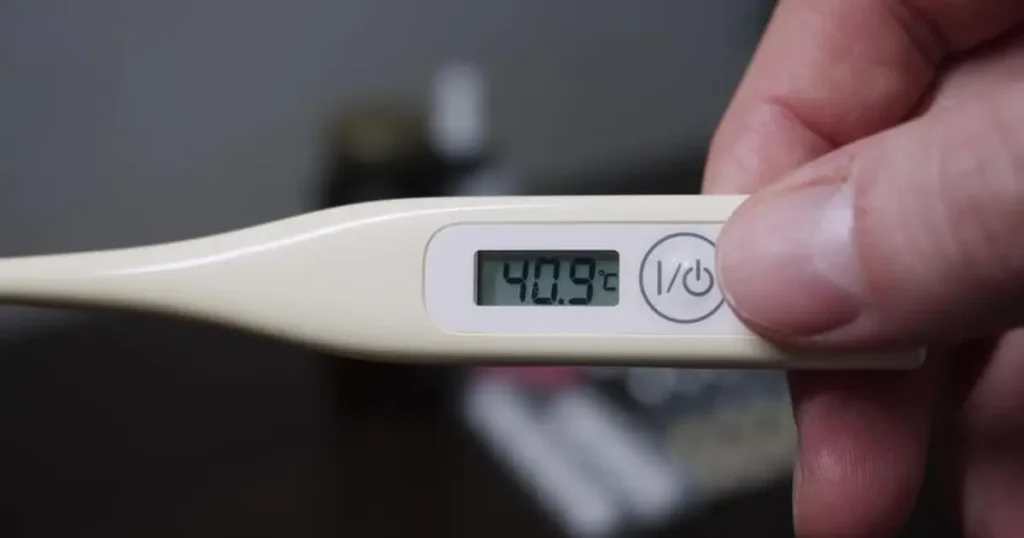
A sudden fever can leave you feeling weak, chilled, and exhausted, often appearing without warning. While many fevers are the body’s natural response to infection, some can signal a more serious illness that needs prompt attention. Knowing what your temperature means and how your body reacts can help you take the right steps at the right time.
But when it comes to recovery, many people ask: How Long Does A Fever Last before it becomes a concern? The answer can vary depending on the cause, age, and overall health. Understanding How Long Does A Fever Last can help you recognize normal recovery patterns and identify when it may be time to seek medical care at a Laredo emergency room.
What Is a Fever?
A fever is a temporary rise in body temperature, typically above 100.4°F (38°C), caused by the immune system responding to infections like viruses or bacteria. The hypothalamus in the brain raises the body’s “set point” to help fight pathogens more effectively.
Research published on PubMed (NIH) notes that fatigue occurs in over 50% of people during the febrile phase, making it the most common symptom, often accompanied by warmth and headache
Dangerous Fever Symptoms You Should Never Ignore
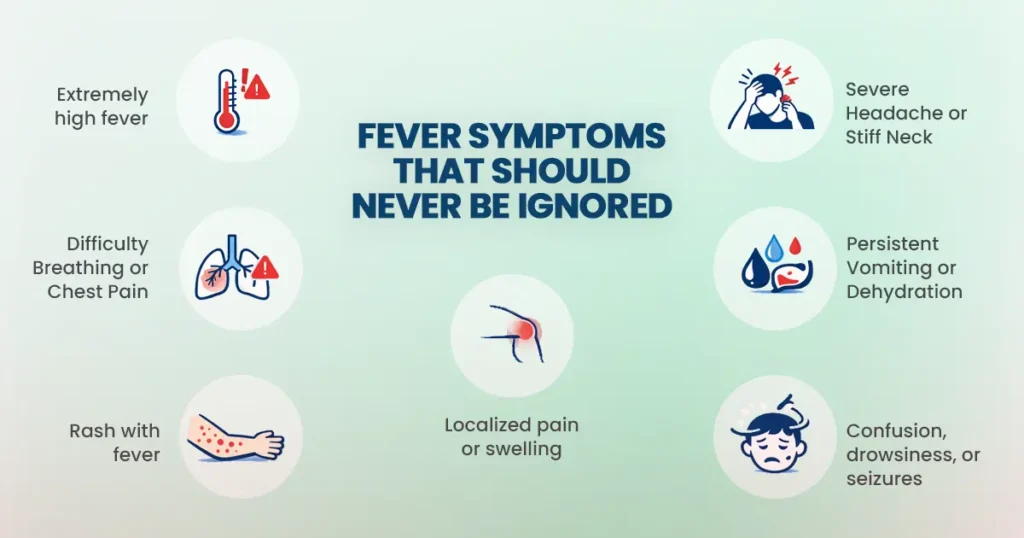
When a fever signals something more serious, immediate attention can be crucial. Watch out for these alarming symptoms:
- Extremely high fever: Above 104°F (40°C) that doesn’t respond to medication.
- Severe headache or stiff neck: Intense pain, light sensitivity, or neck rigidity.
- Difficulty breathing or chest pain: Could indicate pneumonia or other respiratory infections.
- Persistent vomiting or dehydration: Signs of fluid loss and electrolyte imbalance.
- Confusion, drowsiness, or seizures: Altered mental status requires urgent evaluation.
- Rash with fever: Especially rapidly spreading or purple-colored rash (possible meningitis).
- Localized pain or swelling: May indicate deeper infection in joints or abdomen.
What Causes Fever?
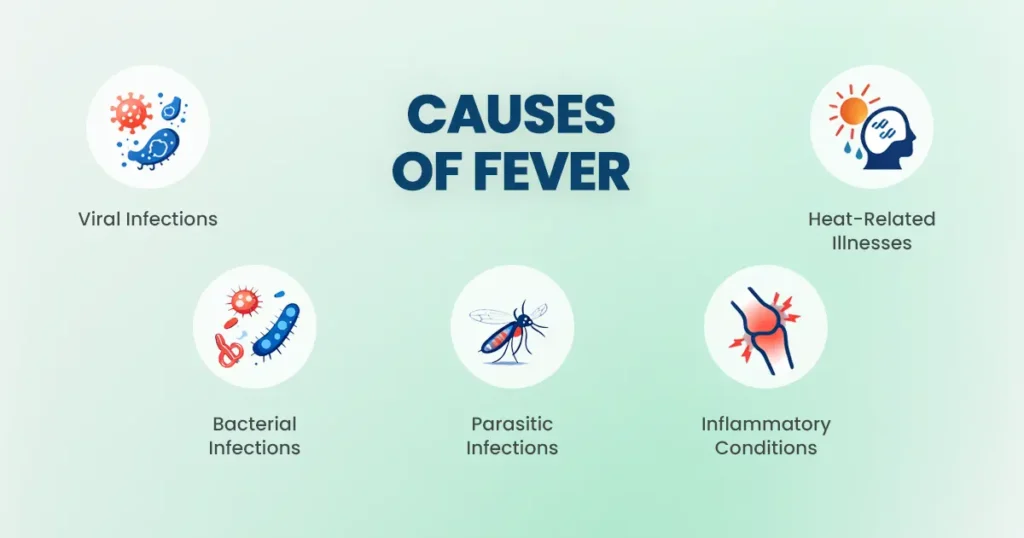
A fever is your body’s natural alarm system, signaling that something isn’t right. It’s the immune system’s way of fighting off threats, helping your body respond to infections, inflammation, or other underlying conditions.
- Viral Infections: Viruses such as influenza, COVID-19, and the common cold often trigger fevers as the body works to eliminate them. These fevers usually resolve as the immune system overcomes the infection.
- Bacterial Infections: Bacteria like those causing pneumonia, urinary tract infections, or strep throat can lead to higher fevers and may require antibiotics to treat effectively.
- Parasitic Infections: Diseases such as malaria or giardiasis can result in fevers, often with recurring cycles depending on the parasite’s life cycle.
- Inflammatory Conditions: Autoimmune disorders like rheumatoid arthritis or lupus can provoke fevers as the immune system mistakenly attacks healthy tissues.
- Medication or Vaccination Reactions: Certain medications or recent vaccinations can temporarily raise body temperature as part of the immune response.
- Heat-Related Illnesses: Heat exhaustion or heatstroke can elevate body temperature dangerously, sometimes mimicking a fever caused by infection.
How Long Will a Fever Last
Fever duration varies depending on the cause and overall health. Most mild fevers from common infections last 2–3 days, but more serious infections may persist longer. Knowing typical fever timelines helps determine when to seek care.
General Fever: Day-by-Day Progress
- Day 1 – Onset: Chills, fatigue, mild headache, or sore throat.
- Day 2 – Peak: Temperature rises further, more body aches, sweating, and loss of appetite.
- Day 3 – Plateau/Early Recovery: Fever may stabilize; fatigue and headache persist.
- Day 4 – Recovery Phase: Temperature normalizes, energy improves.
- Day 5+ – Full Recovery: Most people return to normal, though mild tiredness may linger.
Fever Duration for Common Illnesses
- Common Cold: Fevers associated with a cold are usually mild and last 1–2 days, often accompanied by sneezing, sore throat, and congestion.
- Influenza (Flu): Flu-related fevers are typically higher and last 3–4 days, often with chills, body aches, and fatigue.
- Pneumonia: Bacterial pneumonia can cause persistent fevers lasting 5–7 days or more, often with cough, chest pain, and difficulty breathing.
- COVID-19: Fever can appear early in infection and generally lasts 2–5 days, but some individuals may experience longer low-grade fevers during recovery.
- Urinary Tract Infection (UTI): UTIs may cause fevers lasting 1–3 days if treated promptly, sometimes accompanied by pain during urination and abdominal discomfort.
How To Treat a Fever
A fever can be uncomfortable and worrying, but it’s often the body’s way of fighting off infection. While most fevers resolve on their own, knowing how to manage symptoms safely is important to prevent complications and stay comfortable. Understanding medical options can also help you respond appropriately when a fever is high or persistent.
- Acetaminophen (Paracetamol): Reduces fever and relieves mild body aches. Always use as recommended by a doctor and follow dosing instructions carefully.
- Ibuprofen: Helps lower fever and ease inflammation or pain. Should be taken under doctor guidance, especially for children or people with stomach or kidney issues.
- Antibiotics (for bacterial infections): Only effective if the fever is caused by a confirmed bacterial infection, like pneumonia or urinary tract infections. Must be prescribed by a doctor.
- Antiviral Medications: For certain viral infections such as influenza or COVID-19, specific antivirals may help reduce fever and other symptoms. Always used under medical supervision.
- Hydration Therapy (IV fluids in severe cases): For high fevers or dehydration, medical professionals may administer fluids intravenously to prevent complications. This is done in a hospital setting under a doctor’s care.
Home Remedies For a Fever
Mild fevers can often be managed safely at home with supportive care. These remedies help reduce discomfort, keep the body hydrated, and support the immune system as it fights infection:
- Stay Hydrated: Drink plenty of water, herbal teas, or clear broths to prevent dehydration and help regulate body temperature.
- Rest: Give your body time to recover. Adequate sleep and minimal physical activity allow the immune system to work more effectively.
- Cool Compress: Apply a damp washcloth to the forehead, neck, or wrists to help bring down body temperature naturally.
- Light Clothing & Bedding: Wear breathable fabrics and avoid heavy blankets to prevent overheating and encourage heat dissipation.
- Warm Baths or Lukewarm Showers: Can help reduce fever gradually and soothe body aches. Avoid cold baths, which can cause shivering and raise temperature.
- Ginger Tea or Herbal Infusions: Certain herbal teas, like ginger or chamomile, may support immune function and provide comfort.
- Balanced Nutrition: Eat light, easy-to-digest meals rich in vitamins and minerals to support recovery while avoiding heavy or greasy foods.
When To Go To The ER For a Fever
While most fevers are manageable at home, some can indicate a serious or life-threatening condition. Knowing when to seek emergency care can prevent complications and ensure timely treatment. Immediate medical attention at an ER for high fever is crucial if the temperature is very high, persistent, or accompanied by severe symptoms.
- Extremely High Fever: Temperature above 104°F (40°C) that doesn’t respond to medication.
- Severe Headache or Stiff Neck: Intense pain, sensitivity to light, or neck rigidity.
- Difficulty Breathing or Chest Pain: Trouble breathing, wheezing, or sharp chest discomfort.
- Persistent Vomiting or Dehydration: Unable to keep fluids down, showing signs of dizziness or dry mouth.
- Confusion, Seizures, or Extreme Drowsiness: Altered mental state or loss of consciousness.
- Rapid Heartbeat or Low Blood Pressure: May indicate infection spreading or sepsis.
- Rash with Fever: Especially a purple or rapidly spreading rash.
If migraine symptoms become severe or unusual, emergency evaluation may be necessary. Facilities like an ER near me for neurological symptoms and severe headaches.
Expert Fever Care at STAT Specialty Hospital
Are you wondering, “How long does a fever last?” and whether it could be serious? At STAT Specialty Hospital, our specialists evaluate your symptoms, identify the underlying cause, and guide you toward safe, effective treatment. Early assessment helps prevent complications and ensures proper recovery.
Our outpatient care includes symptom monitoring, personalized treatment plans, and expert guidance on managing fevers. Whether your fever is short-lived or persistent, STAT Specialty Hospital provides pediatric emergency care to ensure you receive the support you need to recover safely and maintain long-term health.
Key Takeaways
- Fever is a warning sign your body is fighting infection or inflammation.
- Most mild fevers last 2–3 days, but serious infections may prolong them.
- Seek immediate care for high fever, severe headache, chest pain, confusion, or rash.
- Medical treatments and home remedies help manage symptoms safely.
- Day-by-day symptom monitoring helps track recovery progress.
- STAT Specialty Hospital provides 24/7 evaluation and expert care for persistent or dangerous fevers.
FAQs
What Is A Low-Grade Fever?
A low-grade fever is a mild rise in body temperature, typically between 99–100.9°F (37.2–38.3°C), usually indicating a minor infection or the body’s normal immune response.
What Is A Fever Dream?
A fever dream is a vivid, often bizarre or unsettling dream that occurs when your body temperature is elevated due to a fever. These dreams tend to be more intense, emotional, and sometimes confusing compared to regular dreams, as the brain’s activity can be altered by the fever.
Does Teething Cause Fever?
Teething can cause mild discomfort, irritability, and a slight rise in body temperature, but it does not typically cause a true fever above 100.4°F (38°C). If a baby develops a higher fever, it is usually due to another underlying infection and should be evaluated by a doctor.