
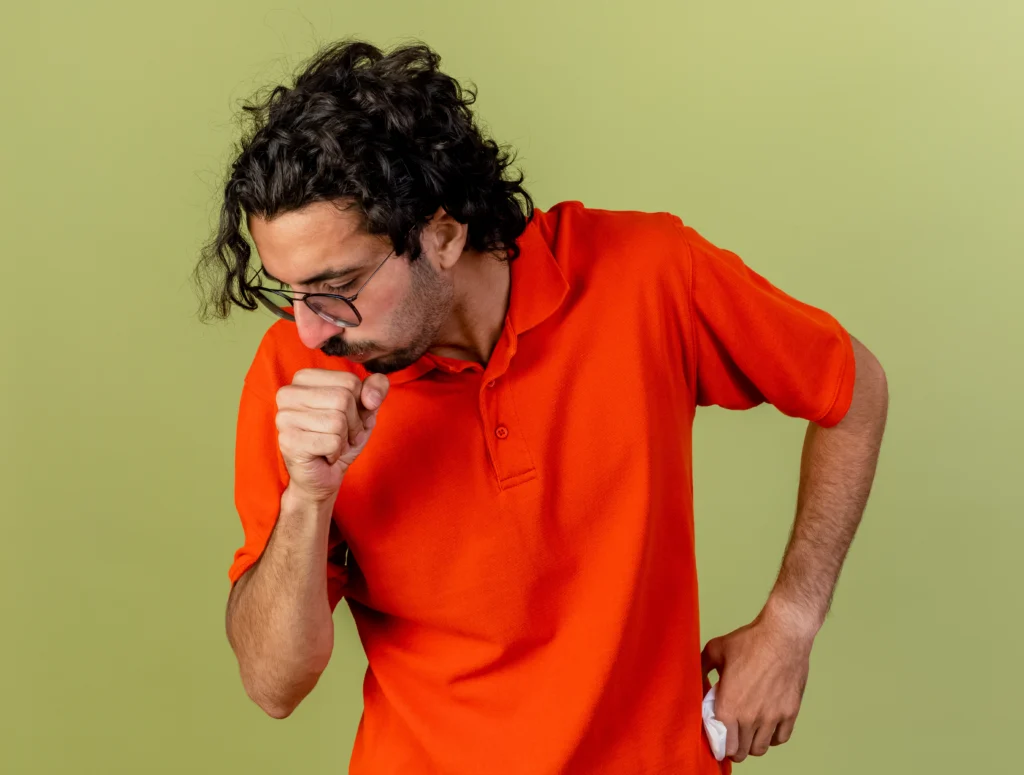
When someone in your home is diagnosed with pneumonia, the first question is usually about everyone else: is bacterial pneumonia contagious? In most cases, yes. The bacteria that cause pneumonia can pass from one person to another through coughs, sneezes, and close contact. But catching the bacteria is not the same as catching pneumonia. Many people who are exposed never get sick, while others develop a serious lung infection that needs hospital care.
If you or a family member has a high fever, chest pain, or trouble breathing, do not wait for it to pass. Finding an emergency room near me with on-site imaging and labs can help you get the right diagnosis and treatment the same day.
What Is Bacterial Pneumonia?
Bacterial pneumonia is an infection that inflames the tiny air sacs in the lungs, called alveoli. The sacs fill with fluid or pus, making it harder for oxygen to reach the blood. The most common cause in adults is Streptococcus pneumoniae. Other bacteria include Haemophilus influenzae, Staphylococcus aureus, Mycoplasma pneumoniae (often called walking pneumonia), and Legionella.
6 Ways Pneumonia Bacteria Spread
1. Coughing And Sneezing (Airborne Droplets)
The most common way bacteria spread is through droplets released when an infected person coughs, sneezes, or even talks. These droplets can travel several feet and be breathed in by people nearby.
2. Close Household Contact (Shared Living Spaces)
Living with someone who has pneumonia raises your risk because you share air, rooms, and daily routines. Children often bring bacteria home from school or daycare.
3. Contaminated Surfaces (Doorknobs, Phones, And Utensils)
Bacteria can survive for a short time on surfaces. Touching a contaminated object and then your nose or mouth can transfer them.
4. Crowded Settings (Schools, Nursing Homes, And Shelters)
Outbreaks are more likely where many people live or gather closely together, especially among older adults and young children.
5. A Recent Viral Illness (Flu And COVID-19)
A virus such as the flu weakens the lungs’ natural defenses. This allows bacteria that were already in the nose and throat to move into the lungs and cause a secondary bacterial pneumonia.
6. Contaminated Water Systems (Legionella Only)
Legionnaires’ disease is the exception. It spreads by breathing in mist from contaminated water, such as cooling towers, hot tubs, or large plumbing systems. It does not usually spread from person to person.
How Long Are You Contagious?
People are usually most contagious before they start treatment. After beginning the right antibiotic, most people are no longer contagious after 24 to 48 hours, especially once the fever is gone. Walking pneumonia caused by Mycoplasma can spread more slowly and for a longer period, sometimes several weeks, which is why it often moves through families and classrooms.
Who Is Most At Risk?
- Adults 65 years and older.
- Babies and children under 2.
- People with diabetes, COPD, asthma, or heart disease.
- People with weak immune systems from cancer treatment, HIV, or long-term steroid use.
- Smokers and people who drink heavily.
- People recovering from the flu or COVID-19.
Diabetes is common in South Texas, and high blood sugar can make it harder for the body to fight lung infections. Families caring for older relatives at home should watch closely for early symptoms.
Symptoms Of Bacterial Pneumonia
- High fever: often with shaking chills.
- Productive cough: with yellow, green, rusty, or bloody mucus.
- Chest pain: that is sharp and worse with breathing or coughing.
- Shortness of breath: even at rest.
- Fast heartbeat and breathing.
- Confusion: especially in older adults.
- Extreme tiredness and loss of appetite.
When To See A Doctor
See a doctor if a cough with fever lasts more than a few days or keeps getting worse. Call 911 or go to the ER right away if you or a loved one has:
- Trouble breathing or breathing very fast.
- Bluish or gray lips, face, or fingertips.
- Chest pain that does not go away.
- New confusion or trouble staying awake.
- A fever above 102 degrees Fahrenheit that does not respond to medicine.
- Coughing up blood.
Diagnosis And Testing
- Physical exam: a doctor listens for crackling sounds in the lungs.
- Chest X-ray: confirms pneumonia and shows how much of the lung is affected.
- Pulse oximetry: measures the oxygen level in your blood.
- Blood tests: check white blood cell counts and signs of infection in the bloodstream.
- Sputum culture: helps identify which bacteria are causing the infection.
Fast results matter with pneumonia. An ER Lab Service in Laredo allows doctors to review blood work and cultures quickly, so the right antibiotic can be started sooner.
Treatment Options
- Oral antibiotics: for mild cases that can be treated at home.
- IV antibiotics: for moderate or severe infections.
- Oxygen therapy: for low oxygen levels.
- IV fluids: to treat dehydration.
- Fever and pain relief: to help you rest and breathe more comfortably.
Most healthy adults start to feel better within a few days of starting antibiotics, but tiredness and a lingering cough can last for weeks. Older adults and people with chronic illnesses may need to stay in the hospital until their breathing and oxygen levels improve. According to the CDC, vaccines and good hygiene are among the best ways to prevent pneumonia.
How To Protect Your Family
- Finish every dose of antibiotics: even after you feel better.
- Cover your cough: with a tissue or your elbow.
- Wash hands often: for at least 20 seconds.
- Avoid sharing: cups, utensils, and towels.
- Wear a mask: around high-risk family members.
- Stay up to date on vaccines: including pneumococcal, flu, COVID-19, and RSV vaccines.
Frequently Asked Questions
Can You Catch Pneumonia From Someone Who Has It?
You can catch the bacteria, but most healthy people do not develop pneumonia. Your risk is higher if you are older, very young, or have a chronic illness.
Is Walking Pneumonia Contagious?
Yes. Walking pneumonia, usually caused by Mycoplasma, is contagious and spreads easily in schools, dorms, and households.
When Can I Go Back To Work Or School?
Most people can return after at least 24 to 48 hours on antibiotics, once they are fever-free and feeling well enough. Ask your doctor for advice based on your case.
Need Emergency Help? Visit STAT Specialty Hospital
Bacterial pneumonia can turn serious quickly, especially for children, older adults, and people with chronic conditions. STAT Specialty Hospital offers chest X-rays, CT scans, on-site labs, and board-certified physicians available around the clock. If you need an emergency room laredo families trust, our team is ready 24/7. For life-threatening emergencies, call 911 right away.
Visit STAT Specialty Hospital today – where emergency care meets excellence.