
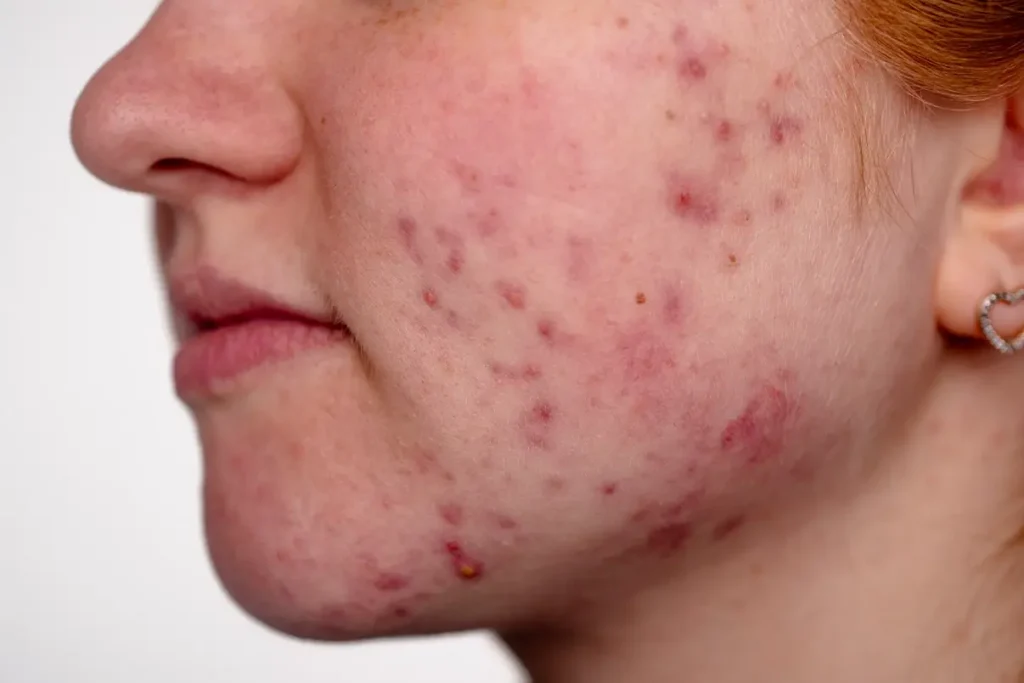
Yes, but skin irritation doesn’t always lead to acne. In some cases, when irritation disrupts the skin’s natural protection, it can trigger or worsen breakouts.
If the irritation is severe enough to affect the skin’s barrier, causing dryness, inflammation, or imbalance, this can make the skin more prone to clogged pores, excess oil production, and bacterial growth, all common contributors to acne. At our Laredo emergency room, we sometimes see patients whose skin issues flare-up after barrier damage, highlighting how interconnected skin health truly is.
What Is Skin Irritation?
Skin irritation occurs when external triggers, such as harsh cleansers, friction, or environmental stressors, cause redness, itching, or soreness. It weakens the skin’s natural barrier, reducing its ability to retain moisture and defend against microbes or irritants. Research shows that in acne patients, lipid levels in the skin barrier are diminished and barrier integrity is compromised, linking irritation and skin barrier dysfunction to acne susceptibility.
Symptoms of Skin Irritation
- Redness or blotchy patches.
- Itching or stinging sensations.
- Tightness or dryness of skin.
- Flaking or rough texture.
- Increased sensitivity to skincare products or environmental changes.
Also read: How To Soothe Irritated Skin Around Eyes
How Irritation Affects the Skin Barrier?
When skin irritation occurs, the skin’s protective barrier weakens, making it harder to retain moisture and resist irritants. This compromised barrier increases vulnerability to inflammation, dryness, and microbial imbalance.
- Increased water loss (TEWL): Moisture escapes faster, causing dryness and impaired barrier recovery.
- Lipid depletion: Essential lipids (ceramides, fatty acids) are reduced, weakening barrier protection.
- Microbiome imbalance: Friendly bacteria may decline, allowing acne-causing bacteria to overgrow.
- Sebum overproduction: Skin may produce excess oil in response to barrier disruption, clogging pores.
- Inflammation susceptibility: Barrier damage can trigger immune responses, causing redness and swelling.
How Skin Irritation Can Lead to Acne?

Chronic irritation can disrupt the balance of moisture, oil, and microbes in the skin, leading to clogged pores and inflammation. This may result in pimples, whiteheads, or cysts, including acne on the chin, forehead acne, or shoulder acne. Several common triggers can worsen this irritation, which we’ll explore in the following reasons.
1. Harsh Cleansers & Soaps
High-pH soaps and harsh surfactants strip natural oils, causing dryness and irritation. Barrier disruption from these products makes the skin more vulnerable to inflammation and clogged pores, particularly in acne-prone areas like the chin and forehead. Over time, this can also impair the skin’s natural healing process, making it harder for existing acne lesions to resolve.
2. Excessive Use of Active Ingredients
Frequent use of acids, retinoids, or strong acne treatment products can thin and irritate the skin. A weakened barrier increases vulnerability to environmental stressors and bacterial overgrowth, making breakouts such as whitehead pimples more common. Excessive exfoliation can also disrupt the skin’s microbiome balance, further increasing the risk of inflammatory acne.
3. Environmental & Lifestyle Stressors
Exposure to pollutants, extreme temperatures, humidity, or friction from clothing and towels can trigger inflammation and barrier breakdown. These factors increase sebum production, worsening existing acne or triggering new flare-ups. Repeated exposure may also sensitize the skin over time, leading to chronic irritation and more persistent acne.
4. Acne Treatments Without Moisture Support
Using acne treatment products without barrier-repairing moisturizers strips hydration and lipids from the skin. Dry, inflamed skin becomes more susceptible to irritation, and acne treatments may become less effective over time. Neglecting proper hydration can prolong redness and inflammation, reducing the overall effectiveness of even gentle acne therapies.
Types of Irritation That Cause Acne Flare-Ups
Irritation appears in different forms, some more likely to trigger acne than others. Even mild or occasional irritation can weaken the skin barrier over time, making it more prone to inflammation and clogged pores. Understanding these triggers helps in selecting appropriate skincare and preventive measures.
- Chemical irritation: Harsh cleansers, alcohol-based toners, strong actives (salicylic acid, retinoids), or high-pH soaps can weaken the skin barrier and provoke breakouts.
- Physical irritation: Friction from towels, tight clothes, or frequent rubbing can physically disrupt the skin surface and clog pores.
- Environmental irritation: Pollution, UV exposure, extreme weather, or dry/humid air can stress the skin, increasing sebum production and inflammation.
- Barrier overload from treatments: Aggressive acne therapies without barrier-supportive skincare can worsen irritation, making skin more breakout-prone.
When Is It an Emergency?
Severe inflammation, blistering, or signs of infection, or rapidly worsening cystic acne, may require immediate medical attention. Watch for signs like:
- Severe pain, swelling, or pus-filled lesions.
- Rapid spread of inflamed acne beyond typical breakout areas.
- Intense itching, burning, or rash-like reactions.
- Signs of secondary infection (warmth, fever, pus).
If these occur, contact the STAT Specialty Hospital for evaluation.
Treatment for Acne Caused by Skin Irritation
Treating acne from skin irritation focuses not just on clearing pimples but on restoring the skin barrier, since acne tends to persist without a strong barrier. Here are effective approaches:
- Gentle, Barrier-Supportive Skincare: Use non-comedogenic, fragrance-free cleansers and moisturizers (rich in ceramides or barrier-repair lipids) to restore skin integrity.
- Timed And Cautious Use Of Acne Treatment Products: Pair strong actives like benzoyl peroxide or retinoids with hydration and allow skin to adjust gradually.
- Soothing And Anti-Inflammatory Care: Products with niacinamide, ceramides, or hyaluronic acid reduce redness and inflammation.
- Lifestyle And Environmental Care: Protect skin from harsh weather, pollutants, friction, and use sunscreen daily.
- Dermatological Interventions (If Needed): For stubborn acne or barrier damage, dermatologists may recommend gentle topical therapies, barrier creams, or tailored regimens balancing acne control with barrier restoration.
Expert Acne Care at STAT Specialty Hospital
Finding out “can skin irritation cause acne?” is key to preventing flare-ups and maintaining healthy skin. At STAT Specialty Hospital, our specialists provide prompt evaluations and personalized care to address irritation-induced breakouts, clogged pores, and persistent pimples.
Through compassionate outpatient care, we help patients restore skin barrier health, manage inflammation, and select effective skincare for acne. With tailored treatment plans and lifestyle recommendations, patients can reduce future flare-ups and achieve clearer, healthier skin.